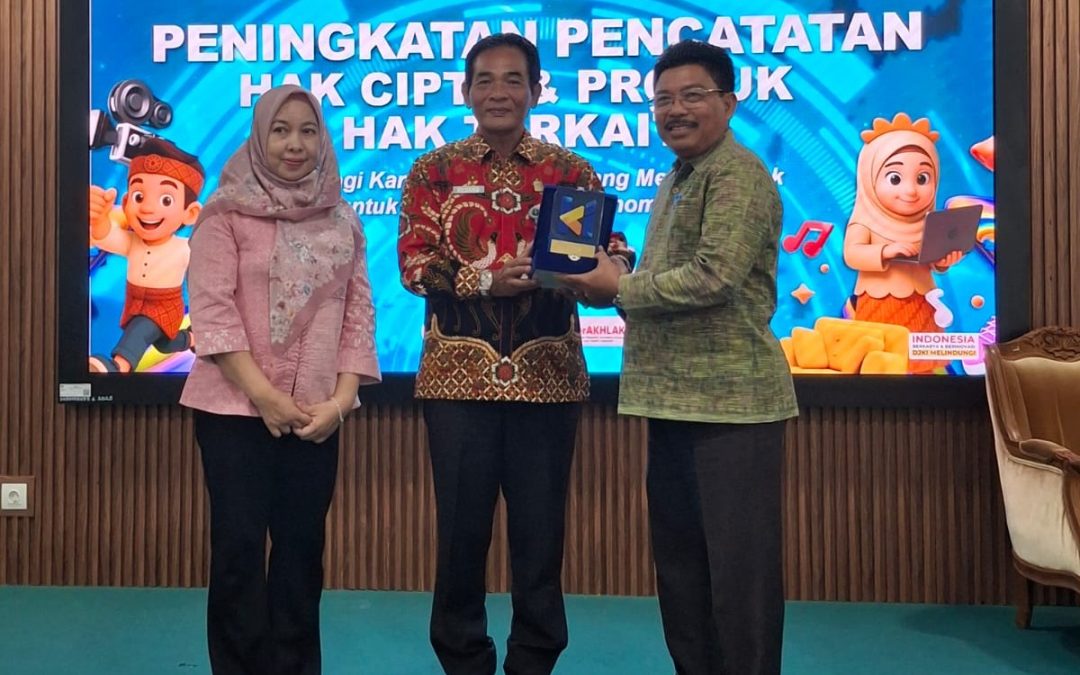
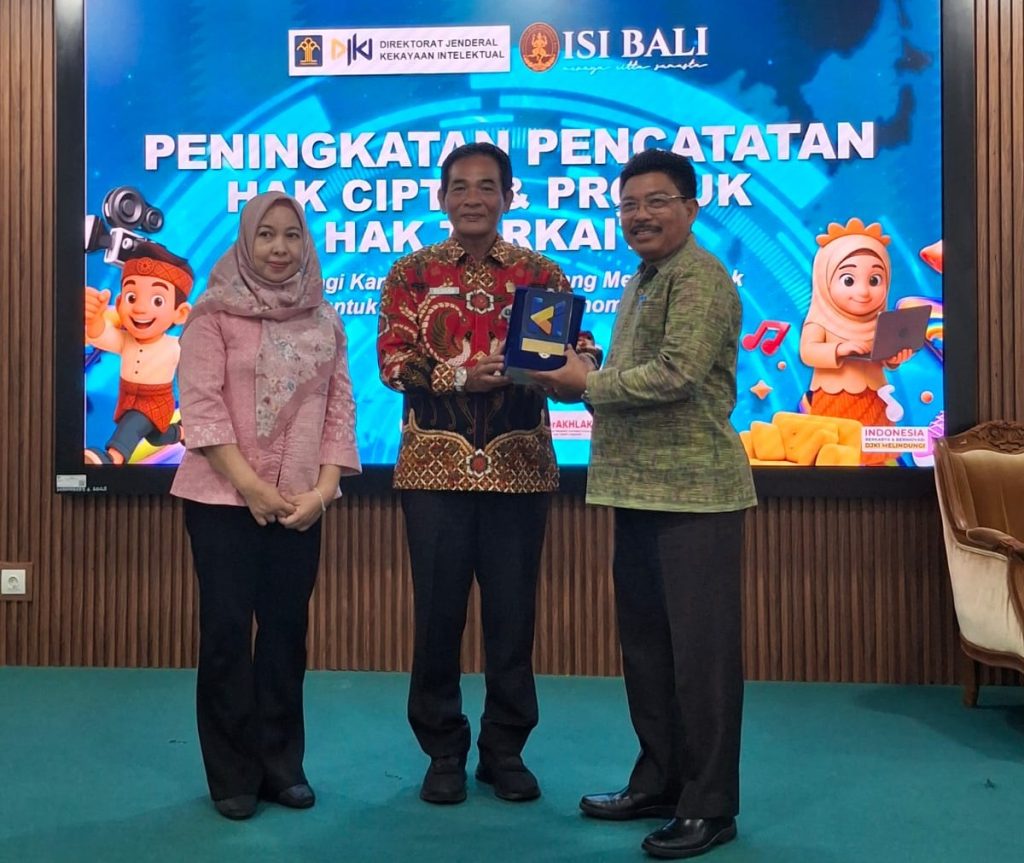
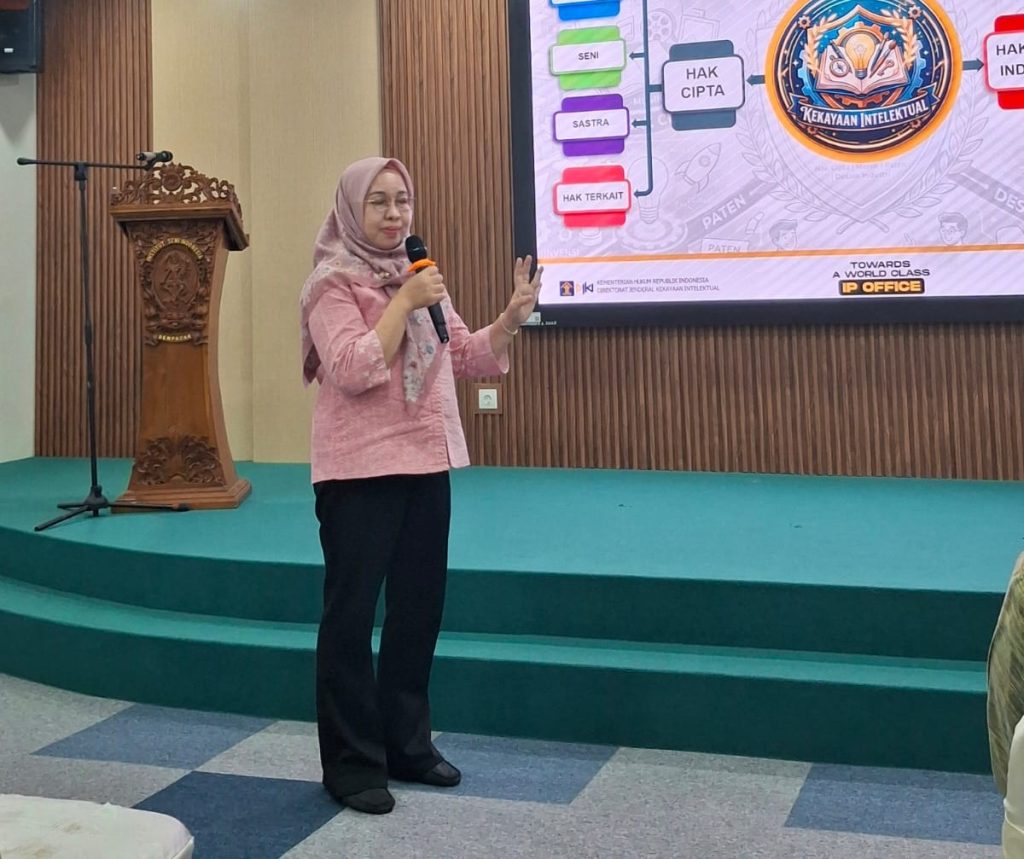
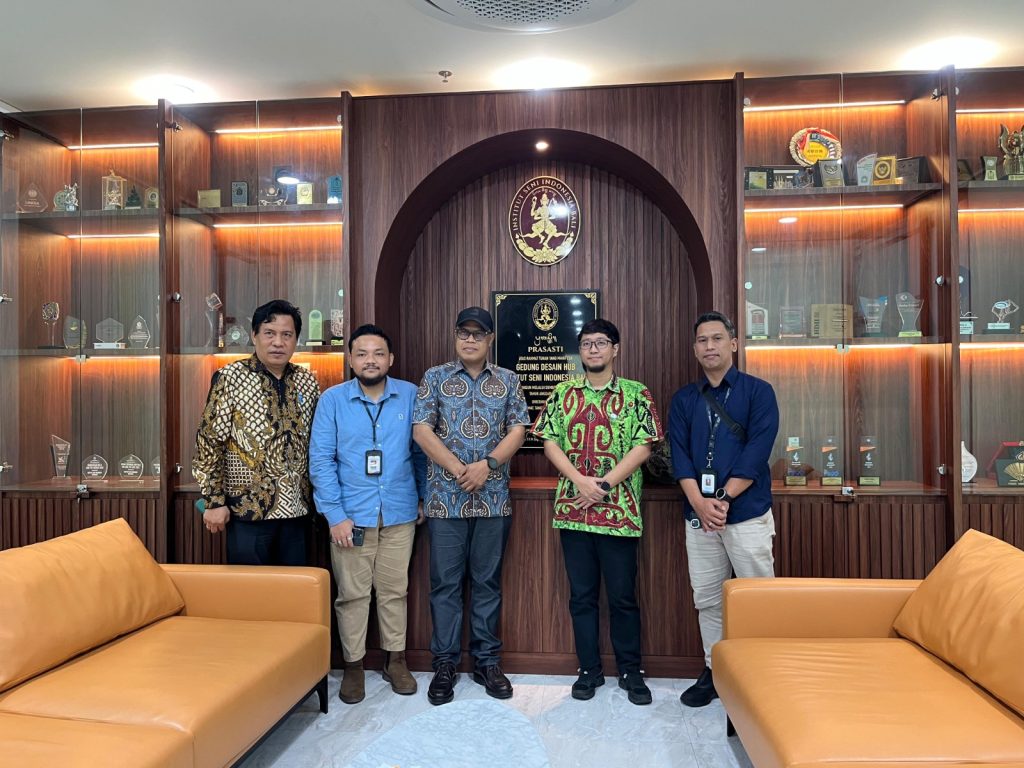
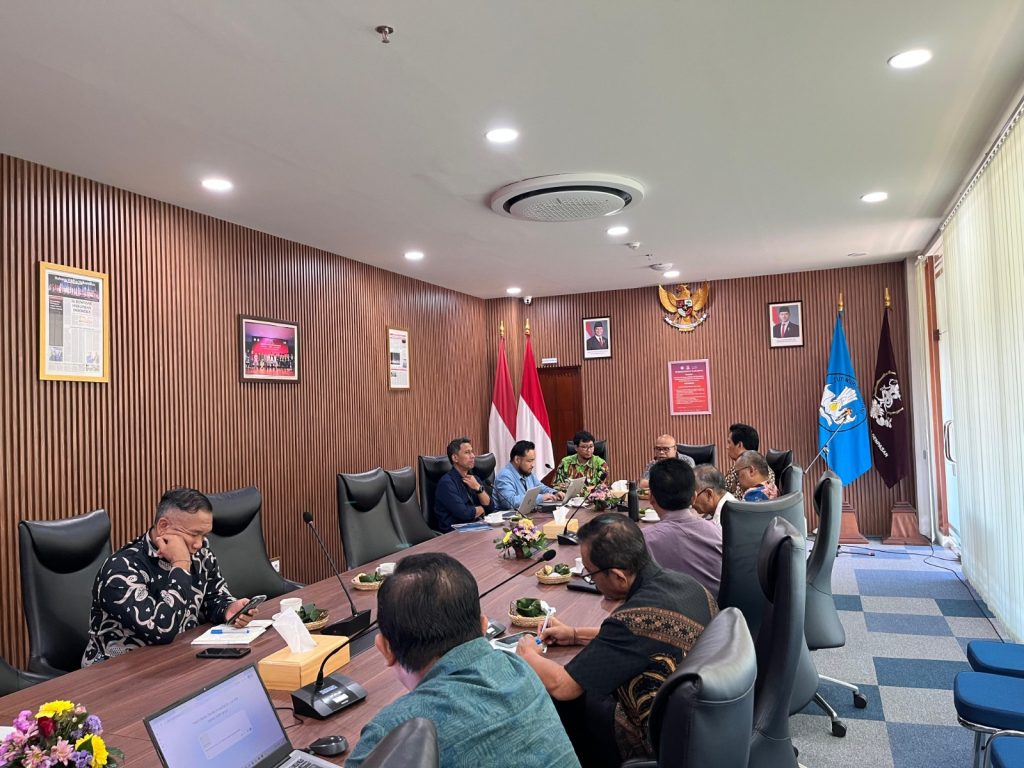
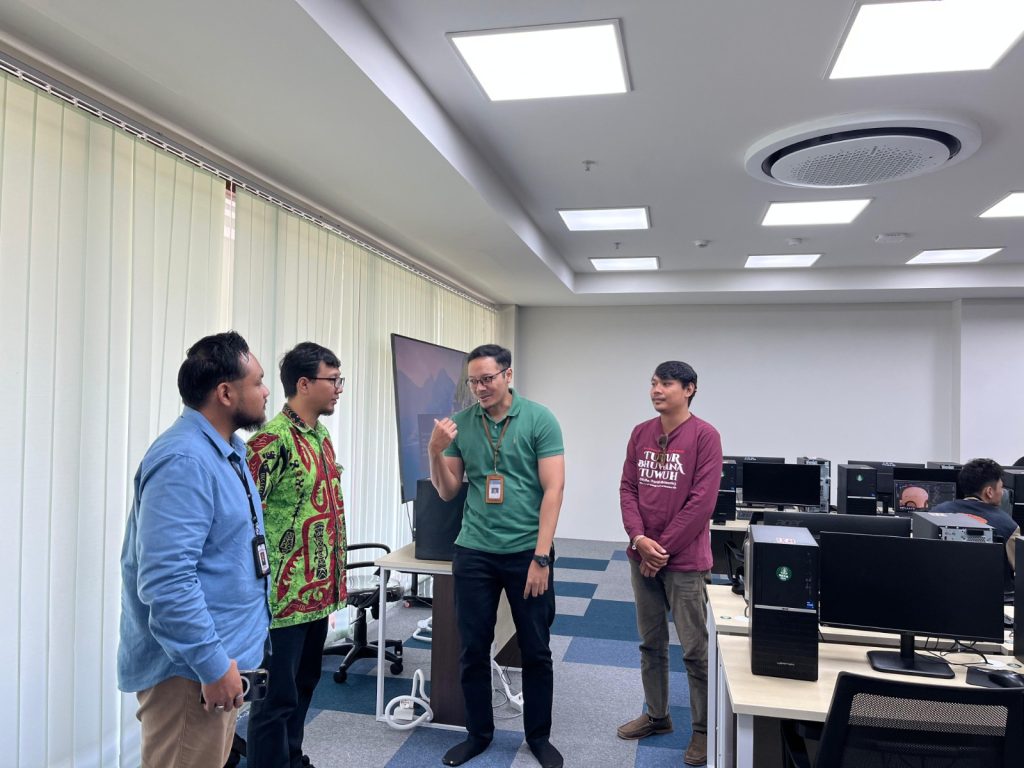
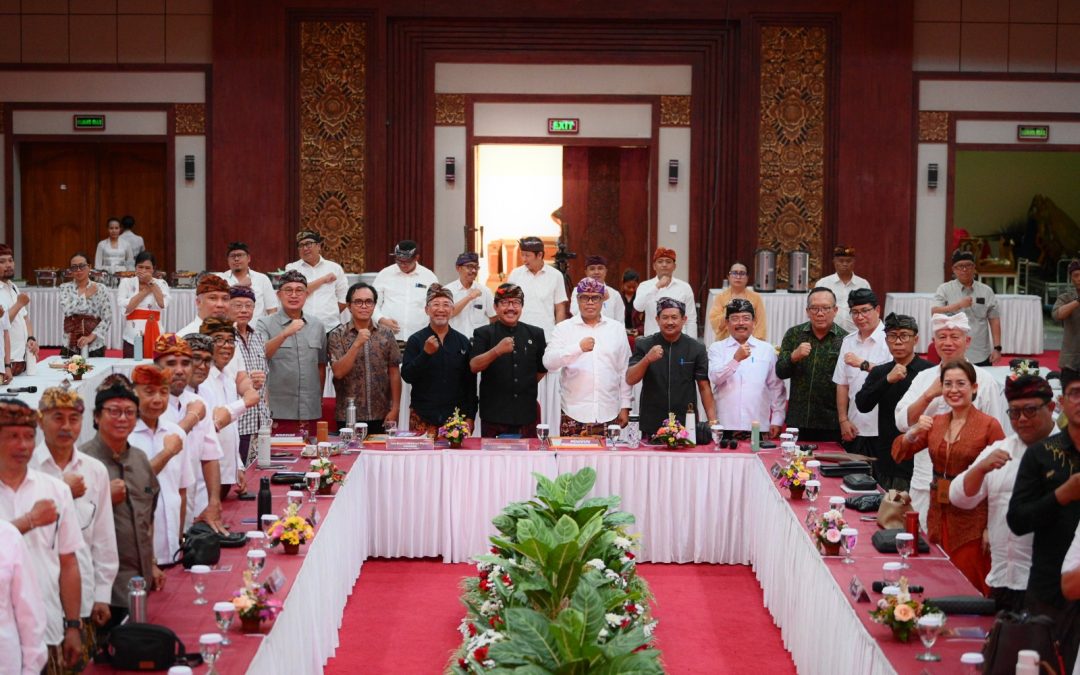
Efforts to strengthen the understanding and utilization of Intellectual Property continue to gain significant attention at the Indonesian Institute of the Arts (ISI) Bali. On Tuesday, July 28, 2026, the Directorate General of Intellectual Property (DJKI), through the Directorate of Copyright and Industrial Design, held an event themed “Protect Your Work, Create Opportunities: Recording Copyrights for National Creativity and Economic Growth.” Since early morning, the General Lecture Hall at the Design Hub Building was filled with lecturers and students eager to learn more about the copyright registration process.
The event began at 08.00 with participant registration. A formal yet warm atmosphere emerged as I Wayan Redana, Head of the Legal Services Division at the Bali Regional Office of the Ministry of Law and Human Rights, delivered the keynote speech and officially opened the program.
The leadership of ISI Bali, represented by the Vice Rector for Student Affairs and Cooperation, Prof. Dr. I Komang Sudirga, S.Sn., M.Hum, then delivered remarks emphasizing the importance of protecting creative works within an arts-focused academic environment. He expressed strong appreciation for the collaboration with DJKI, especially as copyright registration has become an urgent need for an academic community actively producing creative works.
Participant enthusiasm grew even stronger during the sharing session, where the Vice Rector for Student Affairs and Cooperation also served as the main speaker. He presented insights on the development of the creative industry and the various challenges of copyright registration still encountered on campus, under the topic “Recent Developments in the Creative Industry and Challenges in the Copyright Registration Process at the Indonesian Institute of the Arts Bali.”
The discussion then continued with core material on legal protection for copyrights and related rights, as well as the procedures for registration through the POP HC System. Two speakers from DJKI, Ariyanti, S.H., M.H., who serves as Chair of the Copyright Application and Publication Working Team, and Dr. Novi Mirawanty, S.T., M.Ti., who serves as Secretary of Copyright Applications, explained the registration procedures in detail. Many participants raised questions, especially regarding artistic works that often take non‑conventional forms.
The session was moderated by I Putu Udiyana Wasista, S.Sn., M.Sn., Head of the Center for Publishing and Intellectual Property at ISI Bali. He ensured that the discussion remained interactive and accessible to participants from diverse artistic backgrounds.
The activity continued until midday and left a positive impression. Many lecturers described the event as a concrete step toward strengthening a culture of protecting creative works within an arts‑focused campus. Students also expressed greater confidence in beginning to register their own creations.
The leadership of ISI Bali emphasized that initiatives like this will continue to be encouraged so that the creativity of the academic community not only grows but is also legally protected. In the midst of the rapid expansion of the creative industry, copyright registration is no longer a mere formality. It is an essential foundation for the future of Indonesia’s creative economy.
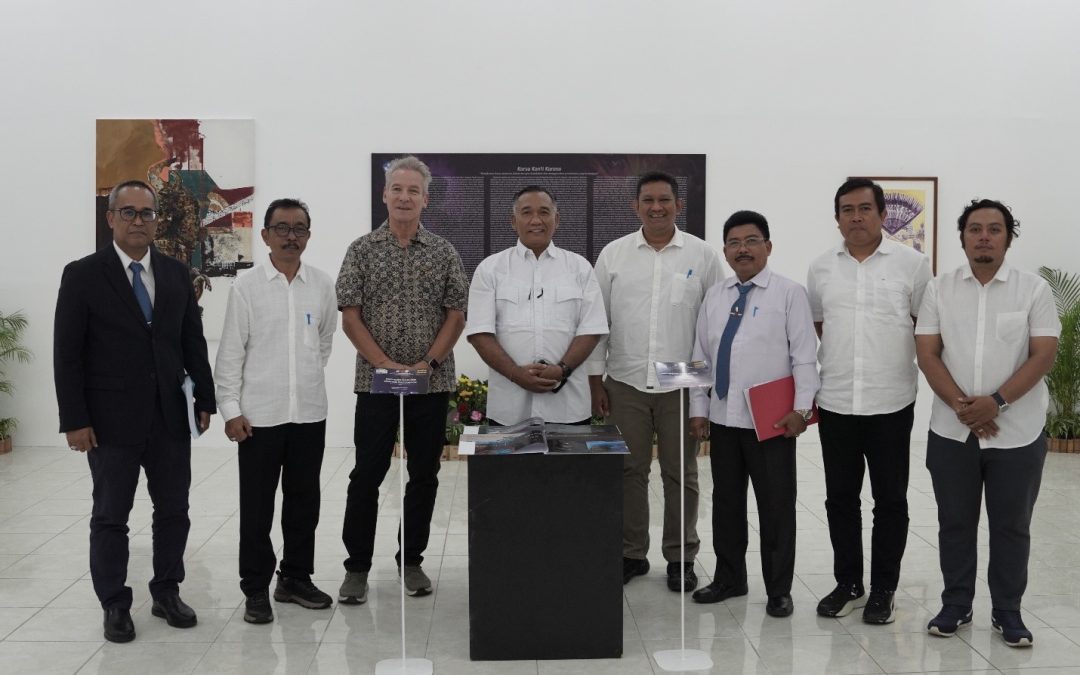
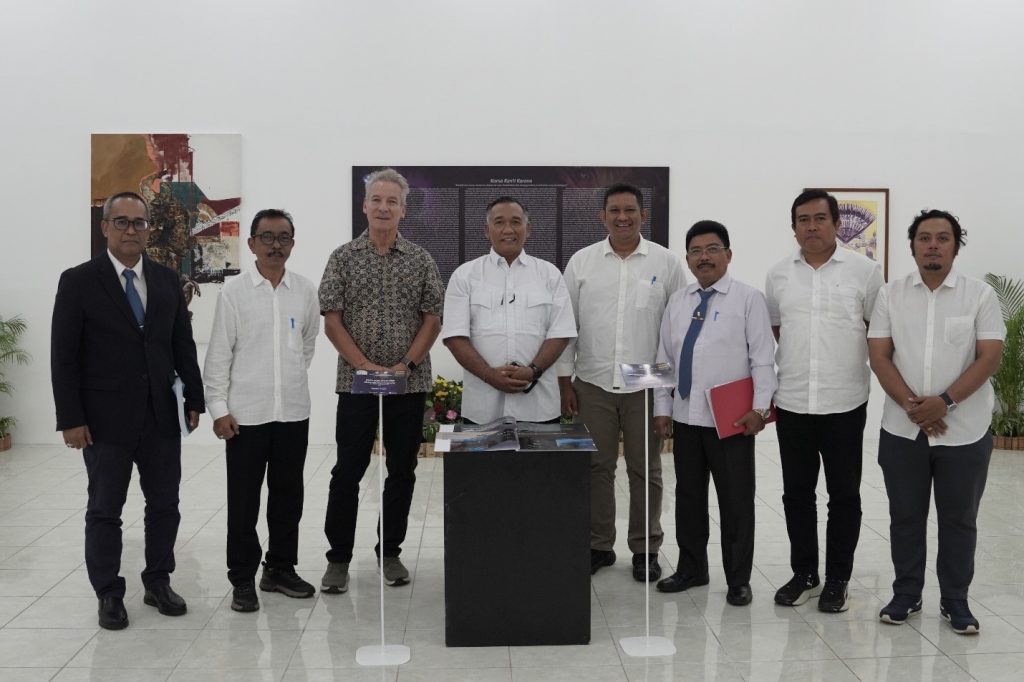
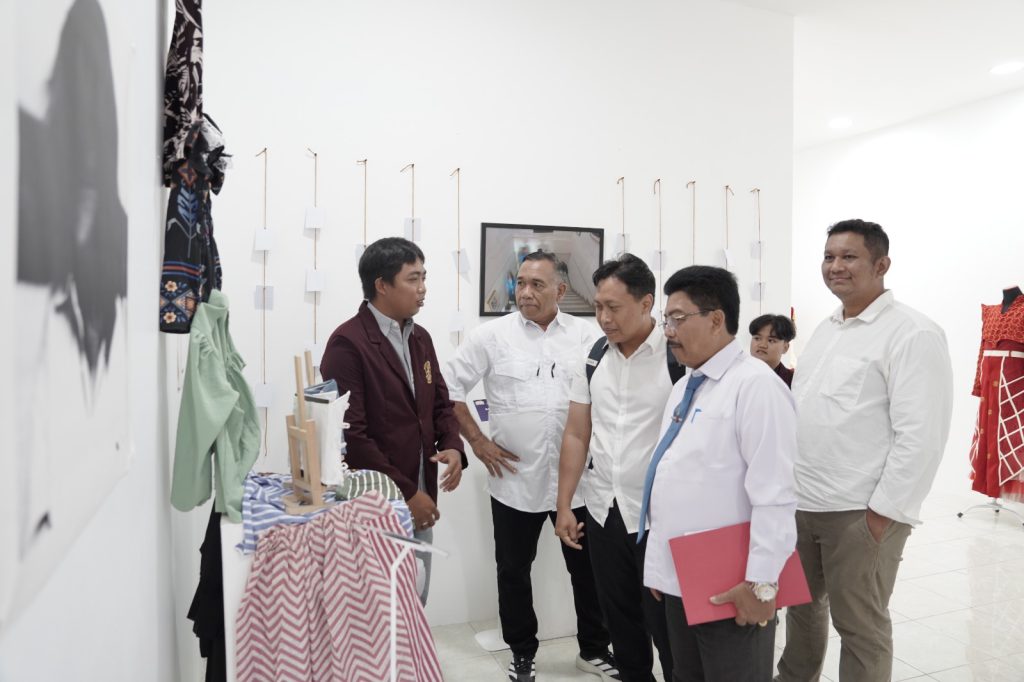
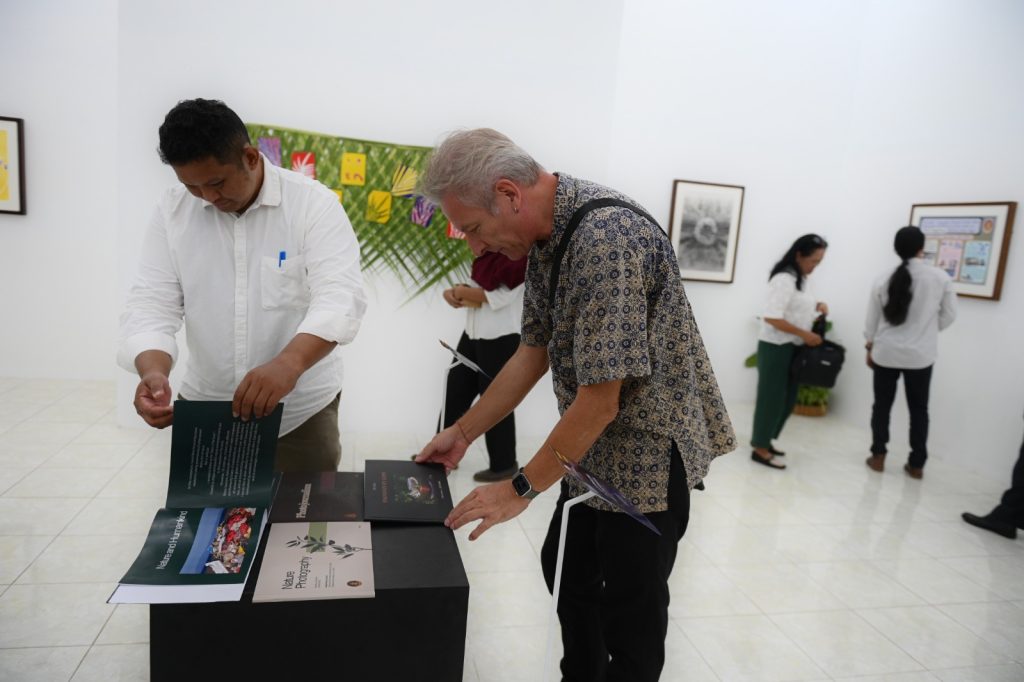
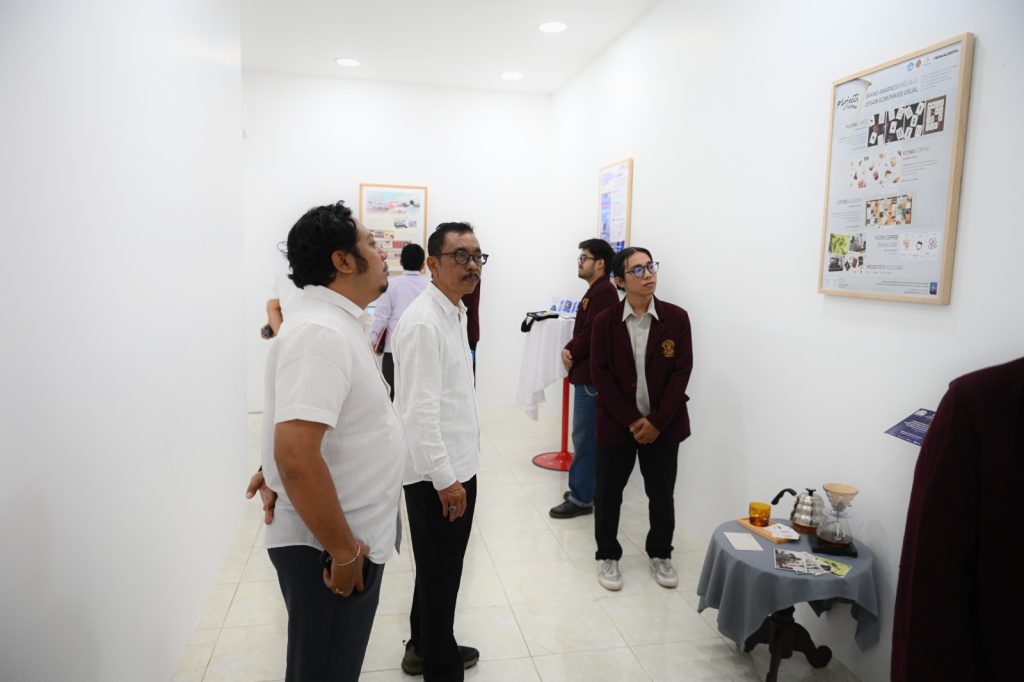
Photo: Dissemination of Final Project Works under the “ISI Bali Impact” Program, Even Semester of the 2025/2026 Academic Year, held at Nata Citha Art Space (N-CAS), ISI Bali, Monday (July 27).
The Faculty of Fine Arts and Design (FSRD), Institut Seni Indonesia (ISI) Bali, officially inaugurated the Dissemination of Final Project Works under the “ISI Bali Impact” Program for the Even Semester of the 2025/2026 Academic Year on Monday (July 27). The event was held at the Nata Citha Art Space (N-CAS), Denpasar.
The academic exhibition was officially opened by the Dean of the Faculty of Fine Arts and Design and attended by the University’s Vice Rectors, the Dean of the Faculty of Performing Arts, the Director of the Graduate School, Heads of Administrative Bureaus, the Chair of the Institute for Research and Community Service (LPPM), the Chair of the Institute for Learning Development and Quality Assurance (LPMP), academic supervisors, industry partners, administrative staff, and students.
Photo: Dissemination of Final Project Works under the “ISI Bali Impact” Program, Even Semester of the 2025/2026 Academic Year, held at Nata Citha Art Space (N-CAS), ISI Bali, Monday (July 27).
In his report, the Vice Dean for Academic Affairs of FSRD ISI Bali, who also served as Chair of the Organizing Committee, emphasized that the dissemination exhibition represents the culmination of the students’ academic responsibility while serving as a platform for public dialogue and scholarly engagement. The exhibition provides a tangible opportunity to assess how artistic concepts and design innovations interact with societal needs and contemporary challenges.
This year’s exhibition adopts the philosophical theme “Karsa–Kanti–Karana,” which signifies “the manifestation of students’ creative capacity in weaving beauty while inspiring meaningful transformation.” He further explained that the creation of works of art and design should not be confined solely to visual aesthetics. Rather, students’ karsa (creative intention) should be intrinsically connected with the spirit of kanti (partnership and togetherness), ultimately becoming the karana (driving force or catalyst) for transformative social, ecological, and economic change.
Interdisciplinary Collaboration and International Participation
The exhibition features the final projects of 23 undergraduate students representing various study programs within the Faculty of Fine Arts and Design, consisting of:
Fine Arts: 2 students
Crafts: 1 student
Visual Communication Design: 7 students
Photography: 6 students
Fashion Design: 1 student
Film and Television Production: 6 students
The exhibited works demonstrate a wide range of methodologies and creative media explorations that reflect the evolving landscape of today’s creative industries.
A distinctive highlight of this year’s exhibition is the participation of international students from the B-IPAD (Bali International Project for Arts and Design Studies) program. Having successfully completed their academic studies this semester, these international students also showcase their outstanding final works. Their participation fosters meaningful cross-cultural dialogue, enriching local aesthetic perspectives through global insights while reinforcing ISI Bali’s position as a forward-thinking international institution for arts and design education.
The organizing committee also expressed its sincere appreciation to the university leadership, academic supervisors, industry partners, administrative staff, and all committee members whose collaboration contributed to the successful implementation of the event. It is hoped that the exhibited works will inspire broader communities and make meaningful contributions to the advancement of arts, culture, and the creative sector.
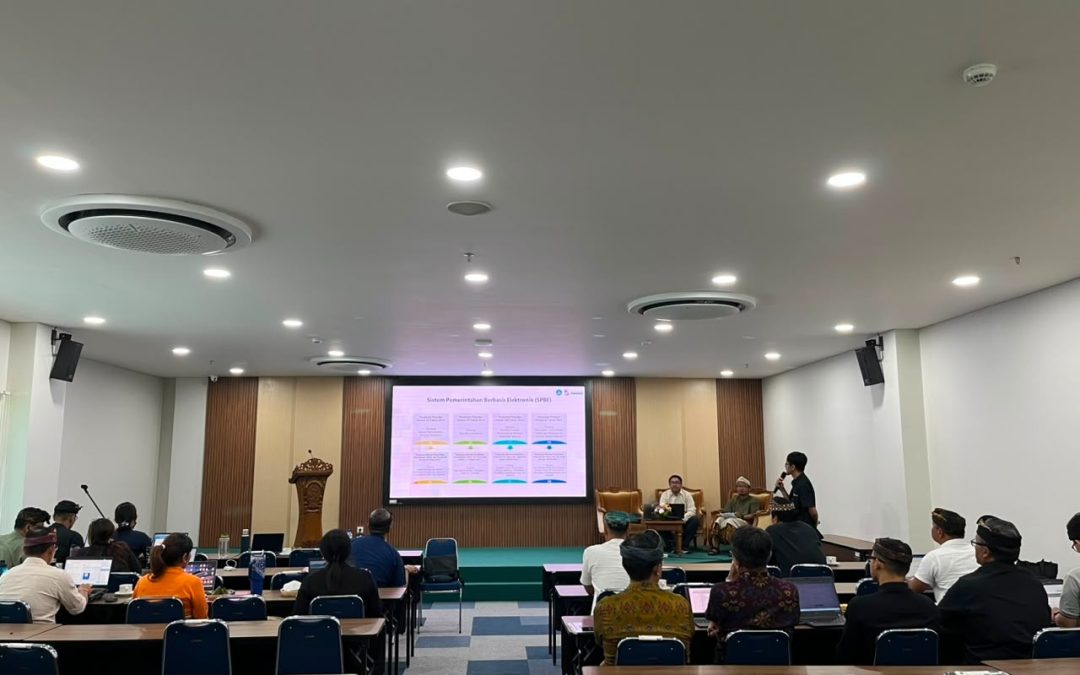
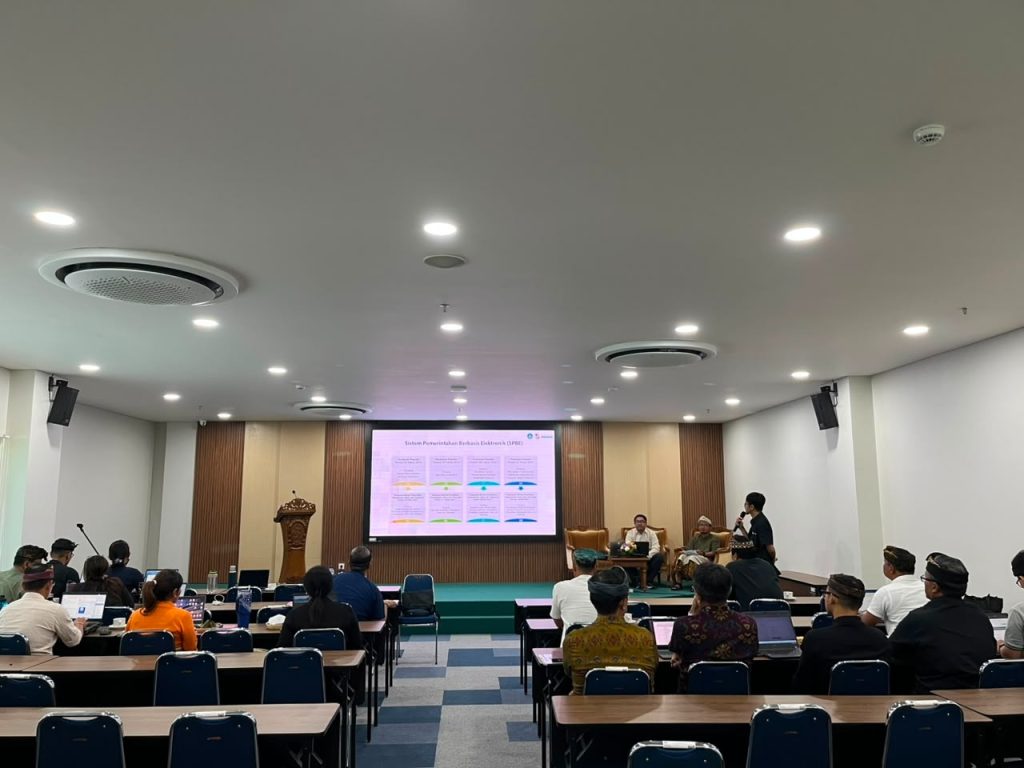
Photo: Focus Group Discussion on ICT Clearance Document Preparation, Thursday (23 July), at the General Lecture Hall, Design HUB, ISI Bali.
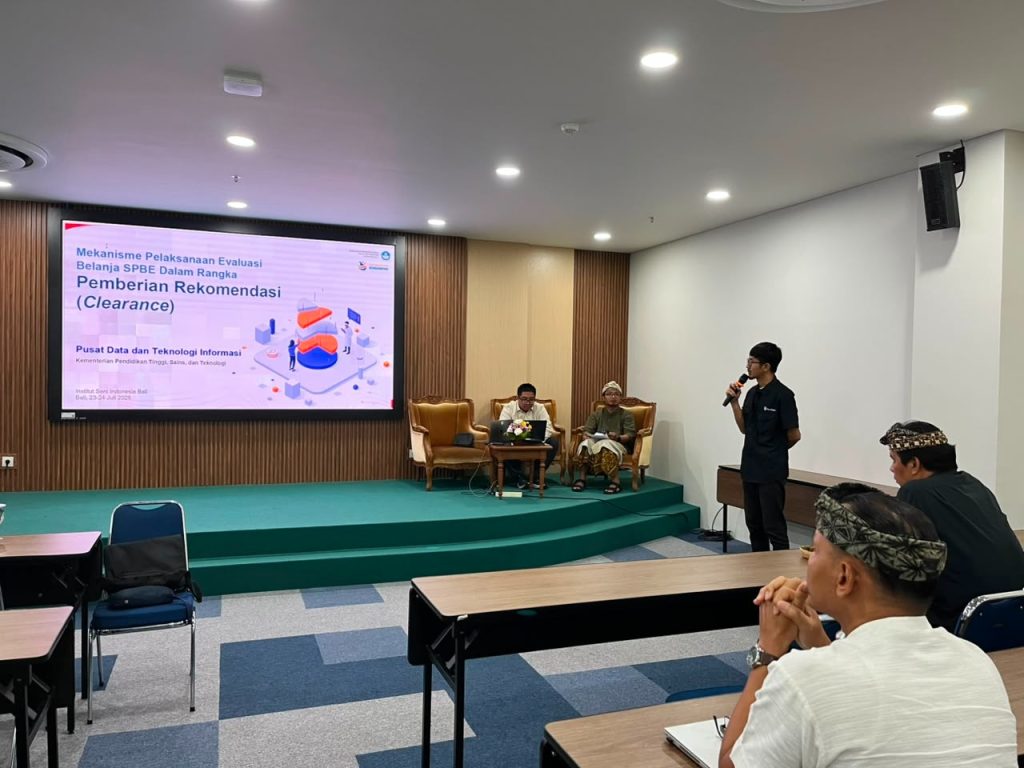
The Institut Seni Indonesia (ISI) Bali organized a Focus Group Discussion (FGD) on the preparation of Information and Communication Technology (ICT) clearance documents under the theme “Wakya Jnana Widya: Pranata Pemulia Pendidikan Seni” on Thursday (23 July) at the General Lecture Hall, Design HUB, ISI Bali.
The discussion featured speakers from the Electronic-Based Government System (SPBE) Team of the Center for Data and Information Technology, Ministry of Higher Education, Science, and Technology, namely Muchamad Rochim, S.Kom., Ikhwanul Hakim, B.ICT., and Aziz Yanuar Saputra, S.Komp.
In his opening report, the Chair of the Organizing Committee, Agus Ngurah Arya Putraka, S.Sn., M.Sn., explained that an ICT clearance document serves as formal evidence of approval or recommendation issued by the relevant government authority, confirming that the proposed procurement of ICT infrastructure, applications, or information systems complies with the principles of efficiency and the standards of the Electronic-Based Government System (SPBE).
“ICT clearance constitutes an official approval and authorization process mandated by the central government for the procurement of certain categories of goods, particularly imported ICT equipment such as computer hardware, computers, photocopying machines, and other office equipment that require a clearance process,” he stated.
Photo: Focus Group Discussion on ICT Clearance Document Preparation, Thursday (23 July), at the General Lecture Hall, Design HUB, ISI Bali.
In his opening remarks, the Vice Rector for Academic Affairs and Information Systems of ISI Bali emphasized that the university aims to submit its ICT clearance documents within the current year to facilitate the procurement of information technology resources essential for institutional development.
He noted that the continuous increase in student enrollment necessitates the modernization of educational facilities and supporting infrastructure to enhance learning environments and academic services. Consequently, the FGD served as a strategic platform for gathering input from all user units across the university.
“This activity reflects the collective commitment of all institutional units to strengthening ISI Bali’s service infrastructure, enabling the university to remain competitive at both the national and international levels. Nevertheless, the procurement of ICT equipment must comply with the required administrative procedures, including the ICT clearance process approved by the relevant government authorities. Therefore, a comprehensive understanding of the clearance document preparation process is essential,” he explained.
During the presentation session, representatives of the SPBE Team from the Ministry of Higher Education, Science, and Technology provided detailed explanations on ICT needs assessment, the preparation of ICT clearance documents, SPBE compliance standards, and the procedural requirements necessary to ensure that procurement proposals are processed efficiently and in accordance with prevailing government regulations.
The FGD was attended by university leaders and administrative officials from across ISI Bali, including representatives from the ICT Service Unit (UPA TIK), Vice Deans for Finance and General Affairs of the Faculty of Performing Arts (FSP) and the Faculty of Fine Arts and Design (FSRD), Commitment-Making Officials (PPK) and their staff, the Head of the Bureau of Academic Affairs, Student Affairs, and Cooperation, the Head of the Bureau of Planning, Finance, and General Affairs, heads of relevant divisions and subdivisions, as well as representatives from the Graduate School and the Institute for Research and Community Service (LPPM).
Through this initiative, ISI Bali expects the ICT clearance document preparation process to become more systematic, accountable, and fully aligned with government regulations, thereby accelerating the enhancement of the university’s digital infrastructure in support of the ongoing transformation of high-quality higher education services.
Recognition for Enhancing the Efficiency and Accountability of Financial Transactions
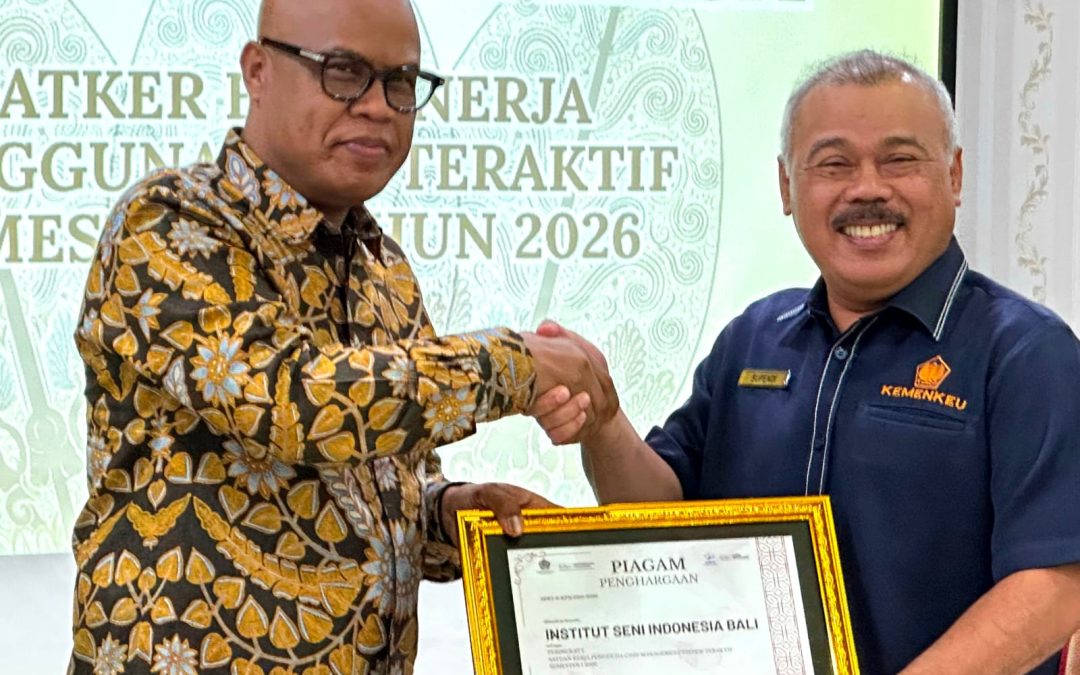
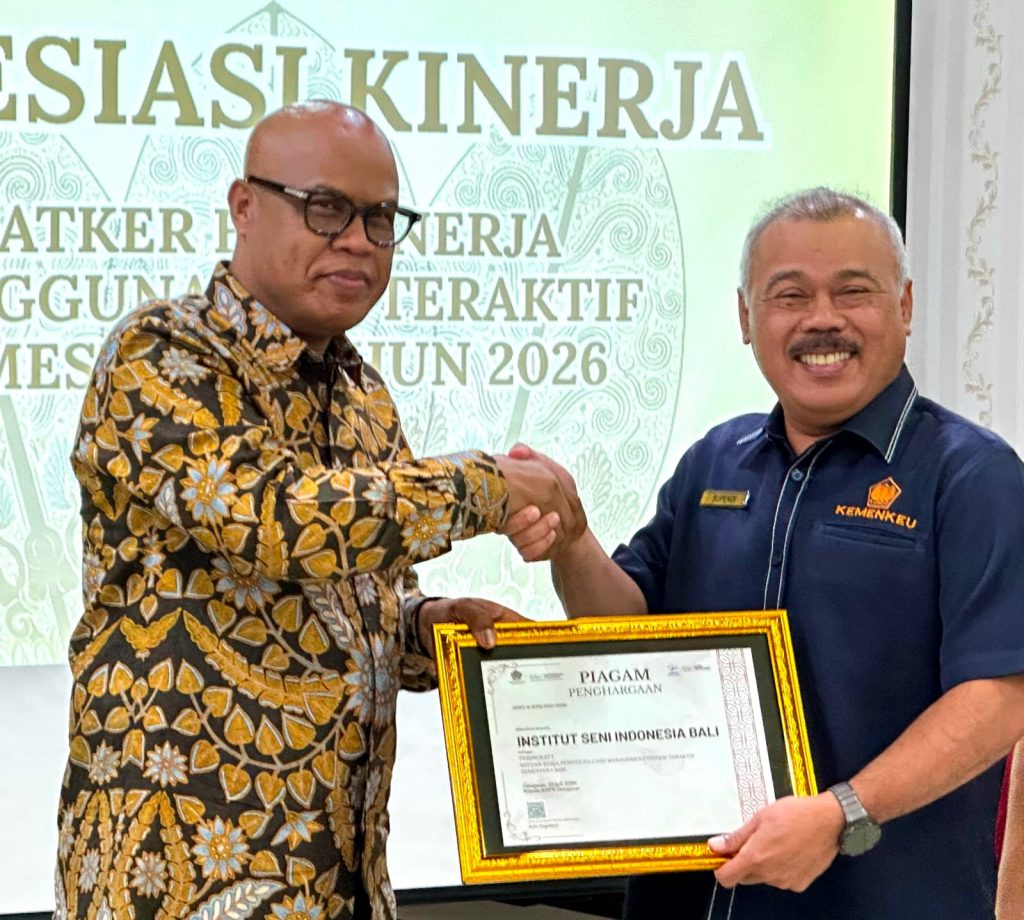
Photo: The Rector of the Indonesia Institute of the Arts Bali (ISI BALI), Prof. Dr. Wayan “Kun” Adnyana, receives the First-Rank Award for the Most Active Cash Management System (CMS) User Work Unit for the First Semester of 2026 at Hall A, State Finance Building (GKN) I, Denpasar, on Wednesday (22 July).
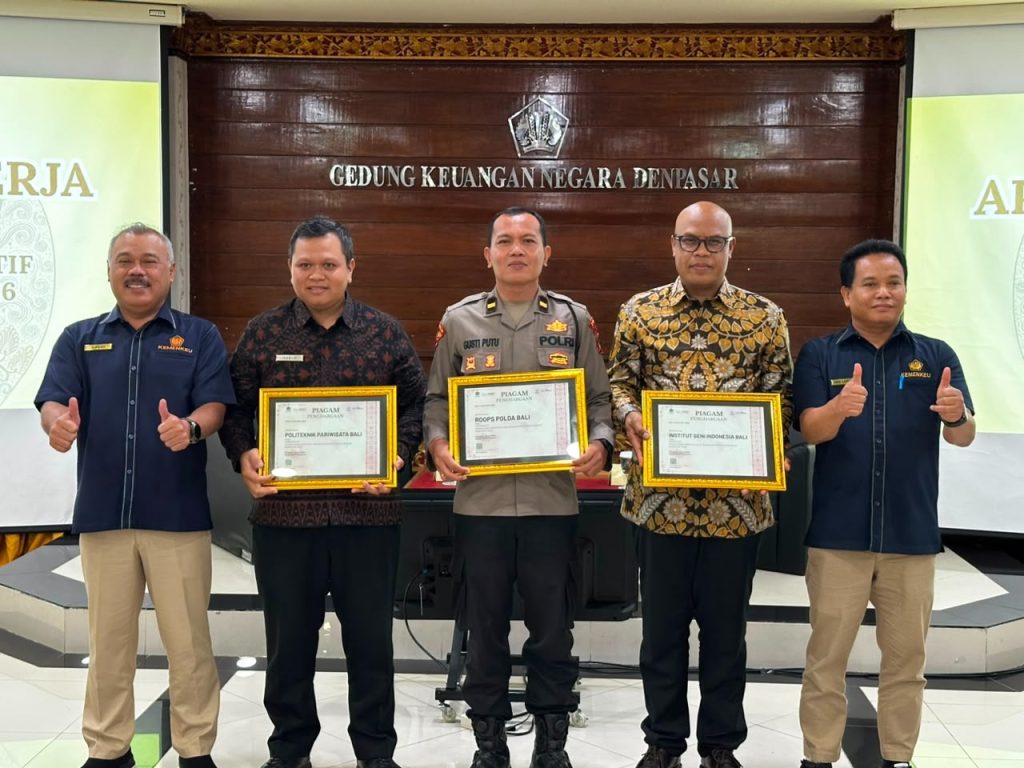
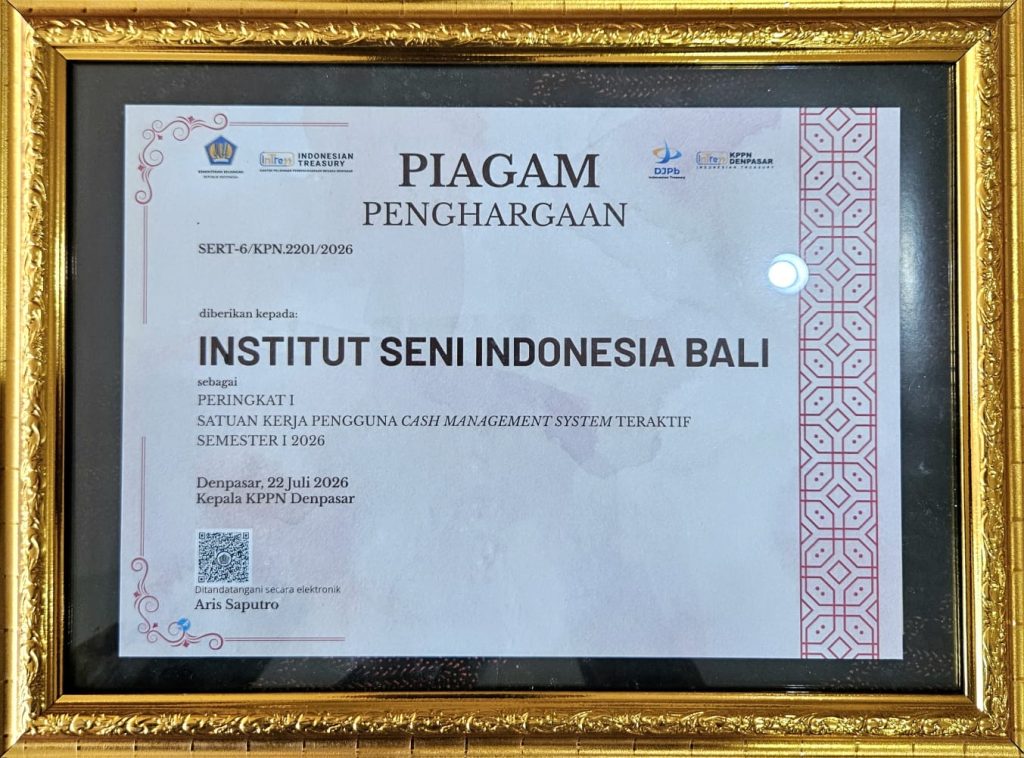
The Indonesia Institute of the Arts Bali (ISI BALI) was awarded First Rank as the Most Active Cash Management System (CMS) User Work Unit for the First Semester of 2026 by the Denpasar State Treasury Service Office (KPPN Denpasar). The award was presented by the Head of KPPN Denpasar, Aris Saputro, to the Rector of ISI BALI, Prof. Dr. Wayan “Kun” Adnyana, during the Public Consultation Forum held at Hall A of the State Finance Building (GKN) I, Denpasar, on Wednesday (22 July).
The award recognizes ISI BALI’s commitment to supporting modern, transparent, and accountable public financial management through the effective utilization of digital technology in government banking transactions.
ISI BALI was recognized for its active and optimal use of the Cash Management System (CMS) in supporting institutional financial management. Through this system, the university has consistently utilized a wide range of real-time online government banking services, including account balance inquiries, inter-account fund transfers, state revenue payments, utility payments, and other financial transaction facilities. The intensive implementation of CMS has significantly improved the efficiency, timeliness, and accountability of the institution’s financial management processes while contributing to the ongoing digital transformation of government treasury services toward greater transparency and modernization.
Photo: The Rector of ISI BALI, Prof. Dr. Wayan “Kun” Adnyana (second from the right), receives the First-Rank Award for the Most Active CMS User Work Unit for the First Semester of 2026 at Hall A, State Finance Building (GKN) I, Denpasar, on Wednesday (22 July).
The forum was officially opened by Supendi, Head of the Bali Provincial Office of the Directorate General of Treasury (DJPb). In his remarks, he emphasized that the Public Consultation Forum serves as a platform for gathering feedback from stakeholders to enhance the quality of public services, in accordance with the Regulation of the Minister of Administrative and Bureaucratic Reform (PANRB) No. 16 of 2017.
On this occasion, the Rector of ISI BALI stated that this achievement reflects the collective efforts of all financial management personnel within the university. He noted that the optimization of CMS utilization not only enhances the efficiency of financial administration but also strengthens institutional financial governance in accordance with the principles of good governance.
The Cash Management System (CMS) is an integrated banking application and information system that provides a variety of real-time online transaction services, including account balance information, inter-account transfers, state revenue payments, utility payments, and other transaction facilities that support the implementation of financial management within government work units.
During the forum, the Head of KPPN Denpasar, Aris Saputro, together with the Head of the Budget Implementation Development Division (PPA I) of the Bali Provincial Office of the Directorate General of Treasury, presented an evaluation of budget implementation and introduced the roles, functions, and service standards of KPPN to all forum participants.
Through this recognition, ISI BALI reaffirms its commitment to continuously strengthening digital-based financial governance while supporting the transformation of government financial services toward greater efficiency, transparency, and accountability.
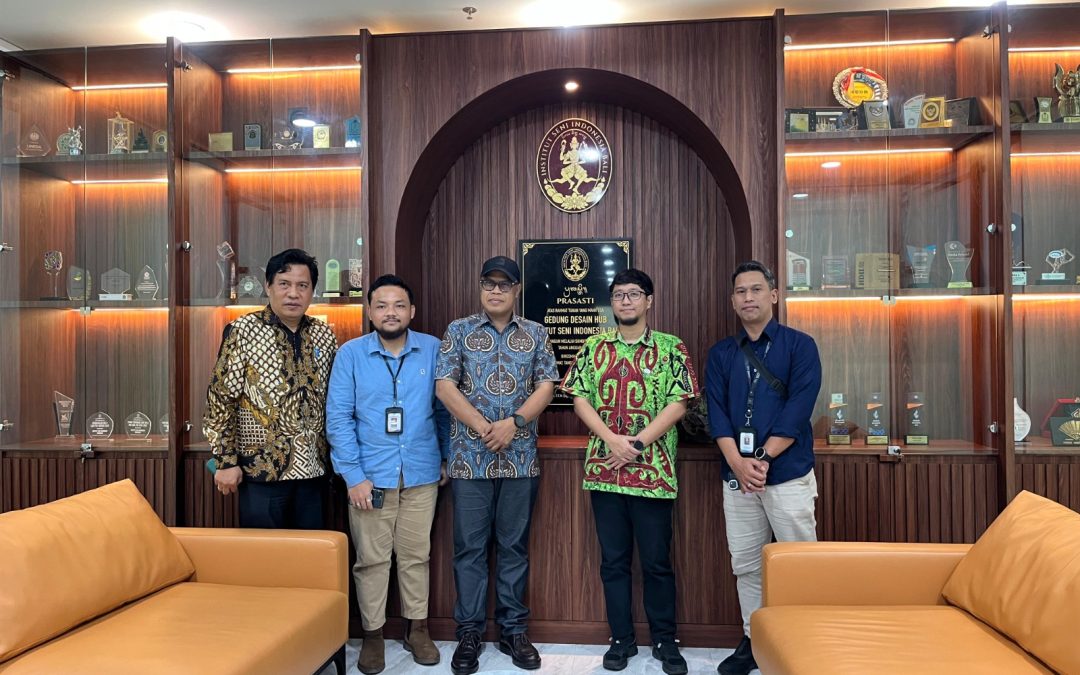
Photo: The BAPPENAS evaluation team visits ISI BALI to conduct the Evaluation of the Utilization of the 2024 State Sharia Securities (SBSN) Project, Friday (17 July 2026), at Sabha Citta Mahottama Hall, Design Hub Building, ISI BALI.
The Bali Institute of the Arts (ISI BALI) welcomed an evaluation team from the Ministry of National Development Planning/National Development Planning Agency (BAPPENAS) for the Evaluation of the Utilization of the 2024 State Sharia Securities (SBSN) Project on Friday (17 July 2026) at Sabha Citta Mahottama Hall, Design Hub Building, ISI BALI.
The visit was conducted as a follow-up to a directive issued by the Director of Higher Education and Science and Technology of the Ministry of National Development Planning/BAPPENAS regarding the evaluation of infrastructure projects financed through the State Sharia Securities (SBSN) scheme at higher education institutions. At ISI BALI, the evaluation focused on the Design Hub Building, which was financed through the 2024 SBSN funding scheme and completed in 2025.
The BAPPENAS evaluation team comprised Dimas Suryo Sudarso, Ahmad Kholil, and Yudi Lesmana. The delegation was welcomed by the Rector of ISI BALI, Prof. Dr. Wayan ‘Kun’ Adnyana, accompanied by the Vice Rectors, the Head of the Bureau, the Dean of the Faculty of Performing Arts, the Dean of the Faculty of Fine Arts and Design, and the coordinators of the study programs utilizing the Design Hub facilities.
Photo: The BAPPENAS evaluation team visits ISI BALI to conduct the Evaluation of the Utilization of the 2024 State Sharia Securities (SBSN) Project, Friday (17 July 2026), at Sabha Citta Mahottama Hall, Design Hub Building, ISI BALI.
During his presentation, the Rector outlined the various functions of the Design Hub Building and highlighted its contribution to enhancing the quality of teaching and learning, fostering student creativity, and strengthening the ecosystem of arts and design education at ISI BALI.
The Design Hub Building currently serves as the primary academic and creative workspace for the Visual Communication Design, Interior Design, Architecture, and Film and Television Production study programs. In addition, the first floor of the building is temporarily occupied by the Graduate School as its administrative office while the Graduate School building undergoes renovation.
The evaluation team further explored the utilization rate of the facilities, the management system for building operations, the maintenance of infrastructure and equipment, and the long-term operational sustainability plan to ensure that the benefits of the SBSN-funded investment continue to be realized in the future.
Photo: The BAPPENAS evaluation team visits ISI BALI to conduct the Evaluation of the Utilization of the 2024 State Sharia Securities (SBSN) Project, Friday (17 July 2026), at Sabha Citta Mahottama Hall, Design Hub Building, ISI BALI.
Following the presentation and discussion session, the evaluation team, accompanied by the Rector and the university leadership, conducted an on-site inspection of the Design Hub Building to observe its facilities and their utilization in supporting teaching and learning activities, creative production, and student artistic endeavors.
Through this evaluation, ISI BALI aims to further optimize the utilization of infrastructure developed under the SBSN funding scheme and maximize its long-term contribution to the advancement of higher education in the arts, design, and the creative industries in Bali. The Design Hub Building is expected to continue serving as a center for innovation and collaboration, strengthening the competitiveness of ISI BALI graduates at both the national and international levels.
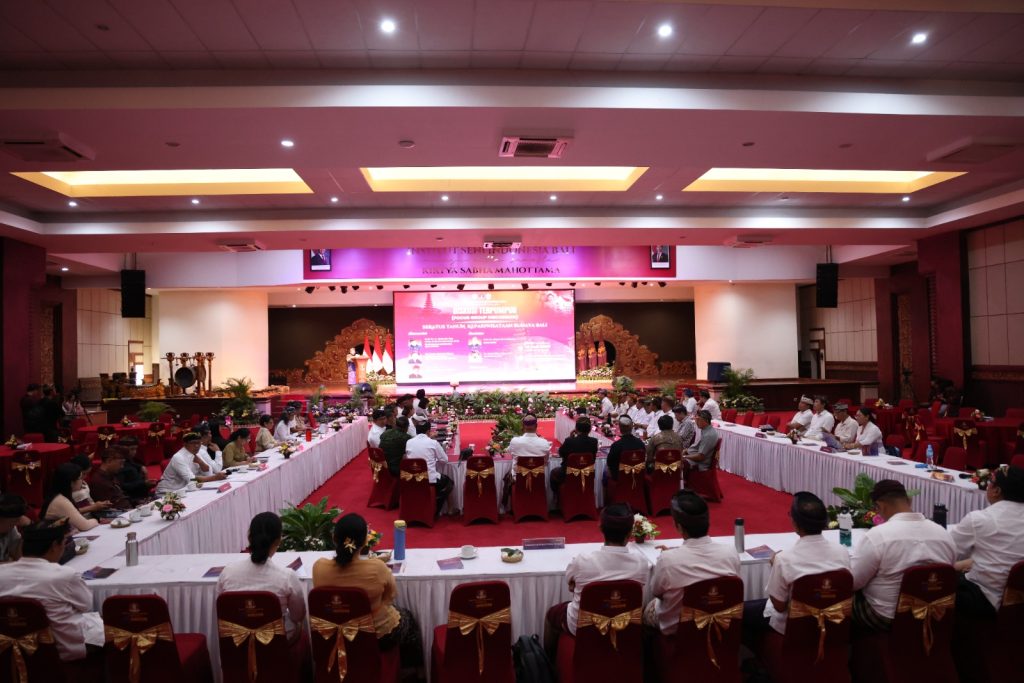
Photo:Focus Group Discussion (FGD) on One Hundred Years of Balinese Cultural Tourism, Monday (13 July), at the Kirtya Sabha Mahottama Auditorium, Citta Kelangen Building, Third Floor, ISI Bali.
The Indonesian Institute of the Arts Bali (ISI Bali), in collaboration with the Bali Provincial Research and Innovation Agency (BRIDA), organized a Focus Group Discussion (FGD) entitled One Hundred Years of Balinese Cultural Tourism on Monday (13 July) at the Kirtya Sabha Mahottama Auditorium, Citta Kelangen Building, Third Floor, ISI Bali. The event formed part of a collaborative research initiative between ISI Bali and BRIDA aimed at developing a comprehensive study reflecting on the century-long evolution of Balinese cultural tourism.
The FGD featured three distinguished speakers who examined the historical development of tourism in Bali from diverse perspectives. They included Prof. Dr. Ir. Tjokorda Oka Artha Ardhana Sukawati, M.Si., Deputy Governor of Bali (2018–2023) and Chairman of the Bali Chapter of the Indonesian Hotel and Restaurant Association (PHRI); Ida Bagus Ngurah Wijaya, a prominent Balinese tourism practitioner; and Sugi Lanus, a cultural observer and expert on Balinese lontar manuscripts.
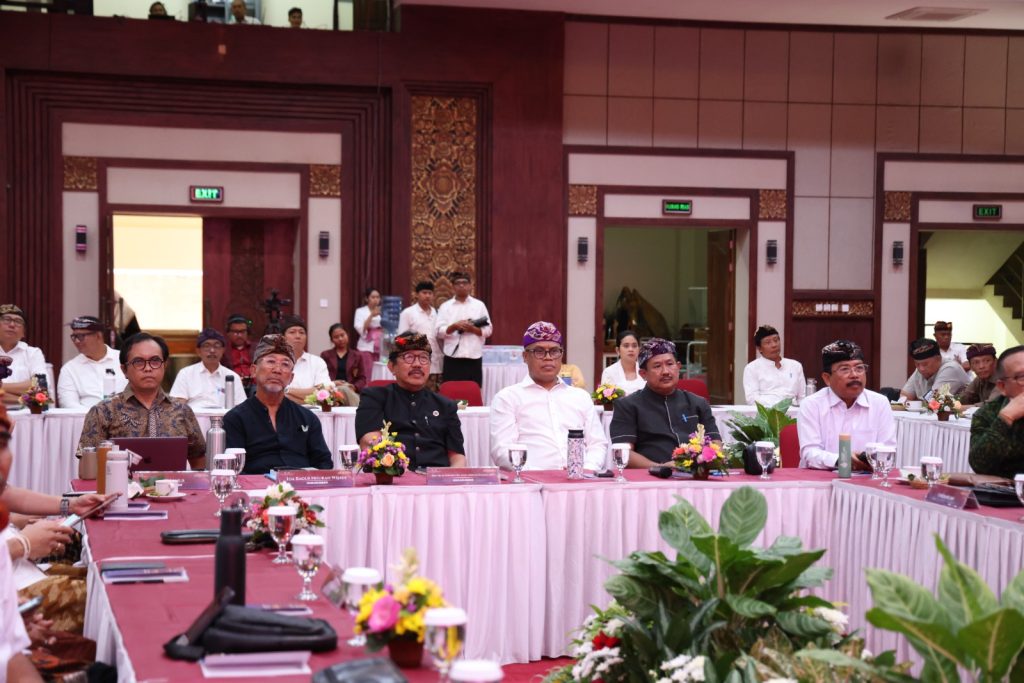
The discussion was officially opened by the Head of BRIDA Bali Province, Dr. Ketut Wica, S.Sos., M.H., and attended by the Rector of ISI Bali, Prof. Dr. Wayan Kun Adnyana, alongside academics, tourism practitioners, cultural figures, and researchers who contributed historical and scholarly perspectives on the evolution of tourism in Bali.
Photo:Focus Group Discussion (FGD) on One Hundred Years of Balinese Cultural Tourism, Monday (13 July), at the Kirtya Sabha Mahottama Auditorium, Citta Kelangen Building, Third Floor, ISI Bali.
In his opening remarks, Dr. Ketut Wica emphasized that the research seeks to establish a scientific foundation for future tourism policy in Bali. He stressed that Balinese culture should not be reduced to a mere economic commodity at the expense of its sacred and spiritual values.
“This study is intended to ensure that Balinese culture is not commercialized to the extent that it loses its sacredness and spirituality within society. Future government policies must safeguard local communities while preserving the cultural values of Bali.”
He further explained that tourism in Bali has evolved organically from the rhythms of community life rooted in taksu (spiritual charisma), artistic expression, and cultural traditions. Through the collaboration between ISI Bali and BRIDA, the research seeks to trace the historical trajectory of Balinese tourism by examining the interactions among artists, royal households (puri), researchers, and local communities that collectively laid the foundation for Bali’s tourism development.
As Bali approaches the centennial of its tourism history, he noted that this milestone provides an important opportunity to evaluate whether tourism development continues to uphold the authenticity of Balinese culture and to assess the resilience of cultural values amid globalization and contemporary societal change.
“The Bali Provincial Government, through BRIDA, aims to produce research that is academically rigorous while remaining socially and historically grounded. Meanwhile, Bali’s tourism stakeholders, including ASITA Bali, have initiated the Road to 100 Years of Bali Tourism campaign through the Bali Tourism Run 2026 event in Jatiluwih,” he added.
Meanwhile, the Rector of ISI Bali, Prof. Dr. Wayan Kun Adnyana, presented preliminary research findings indicating that the development of Balinese cultural tourism can be categorized into several significant phases: the pioneering period, the formative period, the first revival, the second revival, the third revival, and the fourth revival.
According to him, Balinese cultural tourism did not emerge instantaneously but developed organically through the strength of local communities and the cultural industries that had flourished since the early twentieth century.
“From a historical perspective, Balinese cultural tourism evolved organically through community-based cultural industries. The interactions and collaborations among local communities, artists, researchers, and international visitors fostered an artistic and cultural ecosystem that ultimately stimulated tourism and gained widespread international recognition by the late 1920s.”
Prof. Dr. Ir. Tjokorda Oka Artha Ardhana Sukawati, M.Si., former Deputy Governor of Bali (2018–2023) and Chairman of PHRI Bali, delivered a presentation entitled The Emergence of the Vision Toward 100 Years of Bali Tourism, discussing the origins of Bali’s tourism concept, which has long been anchored in the island’s cultural identity as its primary tourism asset.
Ida Bagus Ngurah Wijaya presented a paper entitled Sanur and Tourism: A Historical Reflection, highlighting the role of Sanur as one of the earliest centers in the development of Bali’s modern tourism industry.
Meanwhile, cultural observer and lontar scholar Sugi Lanus delivered a presentation entitled The Dawn of Balinese Tourism: Reconsidering the Physical and Cultural Foundations of Balinese Tourism Through the Lens of Rabindranath Tagore (1927). His presentation examined how the visit of prominent global figures such as Rabindranath Tagore contributed to strengthening Bali’s international reputation as a center of culture, thereby attracting growing global interest.
The discussion was moderated by Prof. Dr. I Komang Sudirga, M.Hum., Vice Rector for Student Affairs and Cooperation at ISI Bali. Through this forum, speakers, researchers, and participants explored the historical dynamics, contemporary challenges, and future directions of Balinese cultural tourism in anticipation of the commemoration of One Hundred Years of Balinese Cultural Tourism.
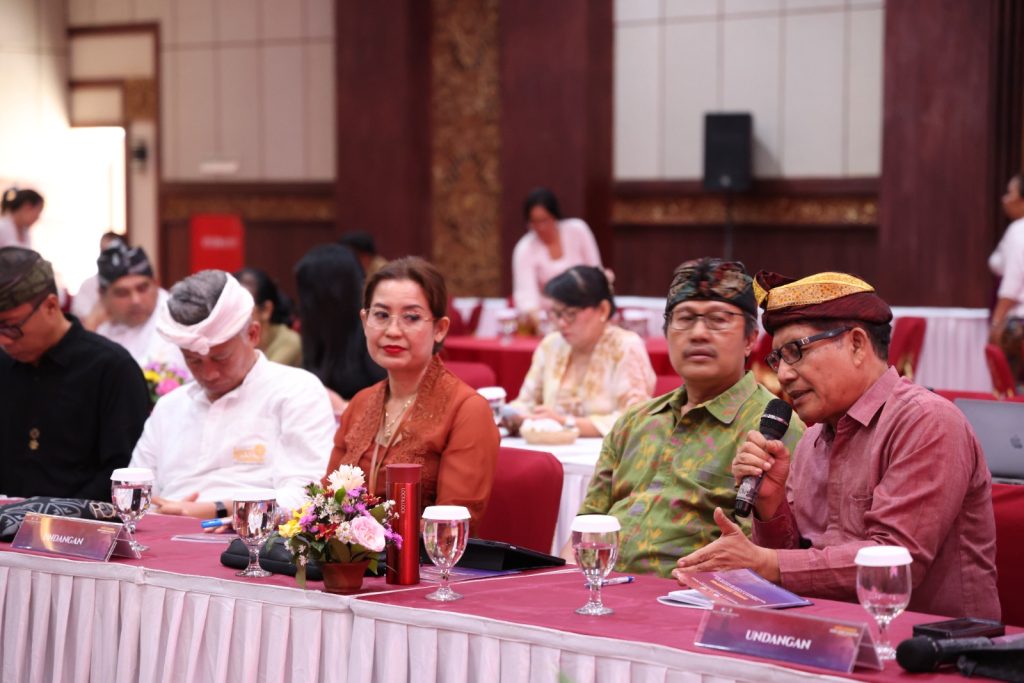
Photo:Focus Group Discussion (FGD) on One Hundred Years of Balinese Cultural Tourism, Monday (13 July), at the Kirtya Sabha Mahottama Auditorium, Citta Kelangen Building, Third Floor, ISI Bali.
The discussion was further enriched by insights from Prof. Ir. Made Supartha Utama, a member of the Research Quality Assurance Team, who encouraged participants to reconsider the role of Balinese culture in tourism development.
According to him, the greatest challenge today is not merely promoting Balinese culture as a tourism attraction but ensuring that its intrinsic values serve as the foundation values underpinning governance and development. He argued that Balinese cultural values should constitute the basis for tourism governance, legal systems, and social institutions in Bali, thereby ensuring that tourism extends beyond superficial cultural displays or ceremonial performances.
“What we need to reflect upon is the extent to which Balinese cultural values have become the foundation values of our tourism governance, legal system, and social system. Our attention should not be limited to outward cultural expressions or ceremonies, such as the Ngaben cremation ritual, without understanding the philosophical principles that constitute their underlying spirit.”
Through this collaborative research initiative, ISI Bali and BRIDA Bali Province aspire to produce evidence-based academic recommendations that will inform future tourism development policies. These recommendations are expected to ensure that tourism development remains firmly grounded in Balinese cultural values, preserves the sacredness of local traditions, and further strengthens Bali’s position as a globally recognized and sustainable cultural destination.