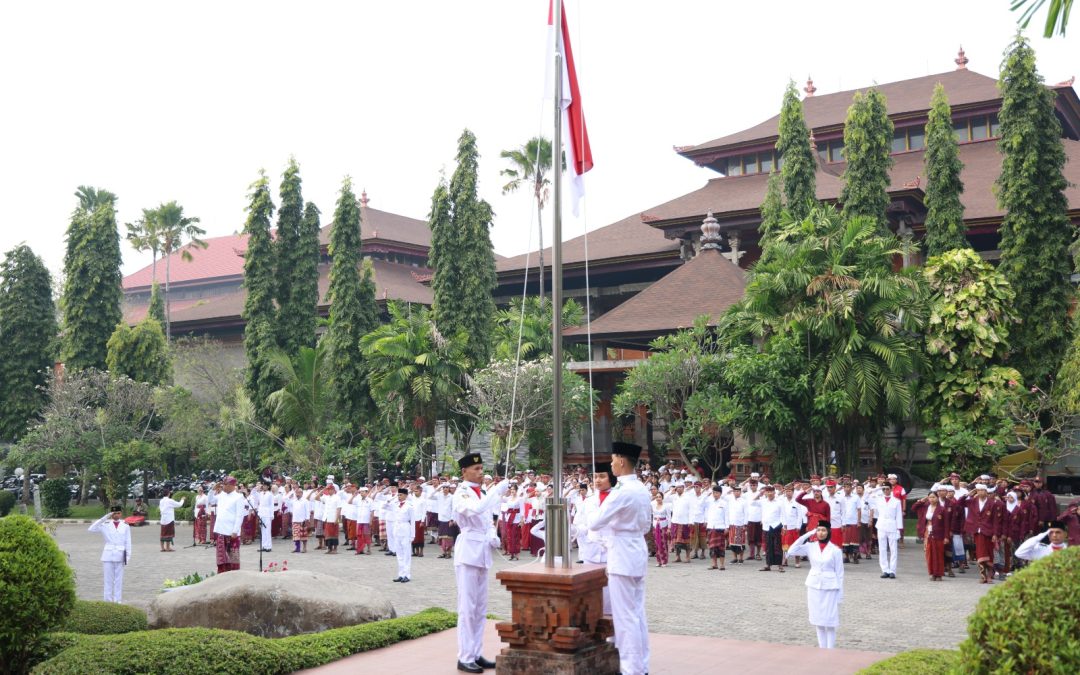
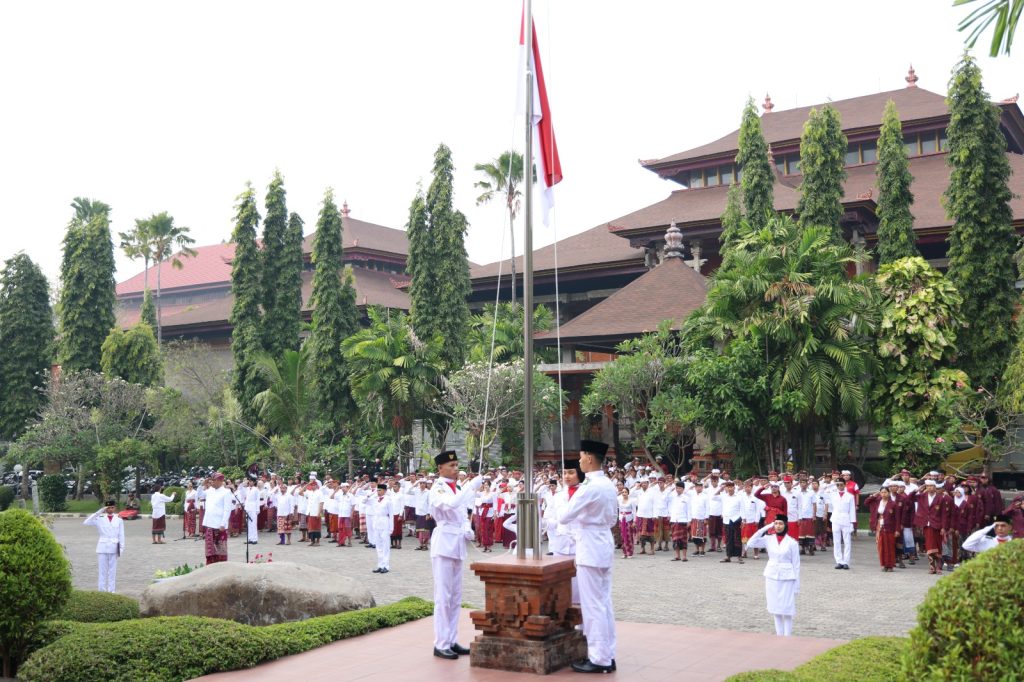
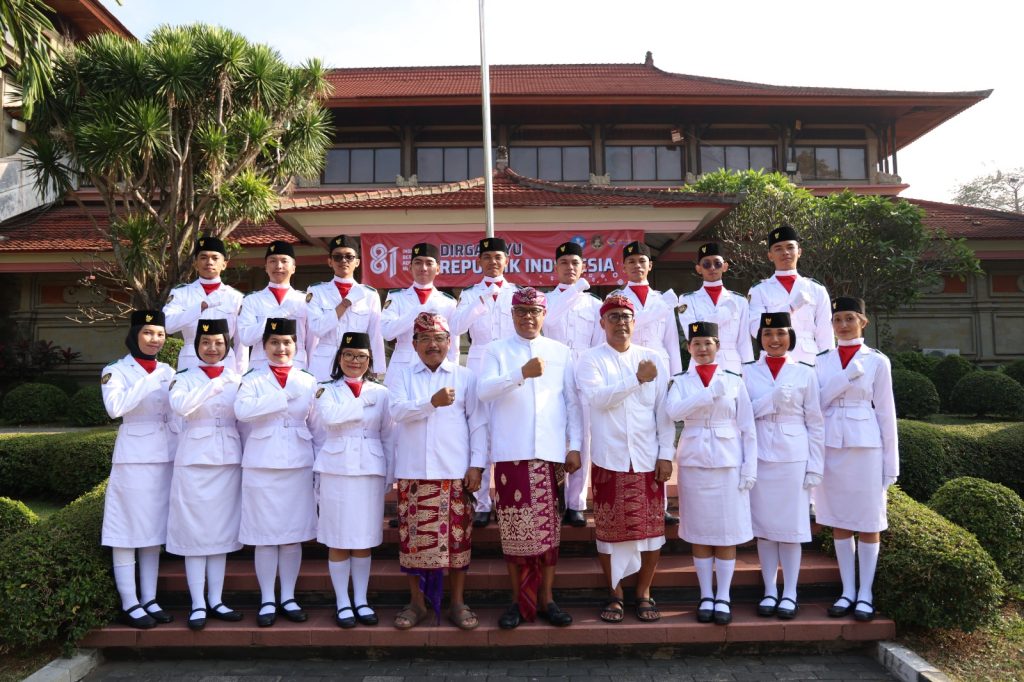
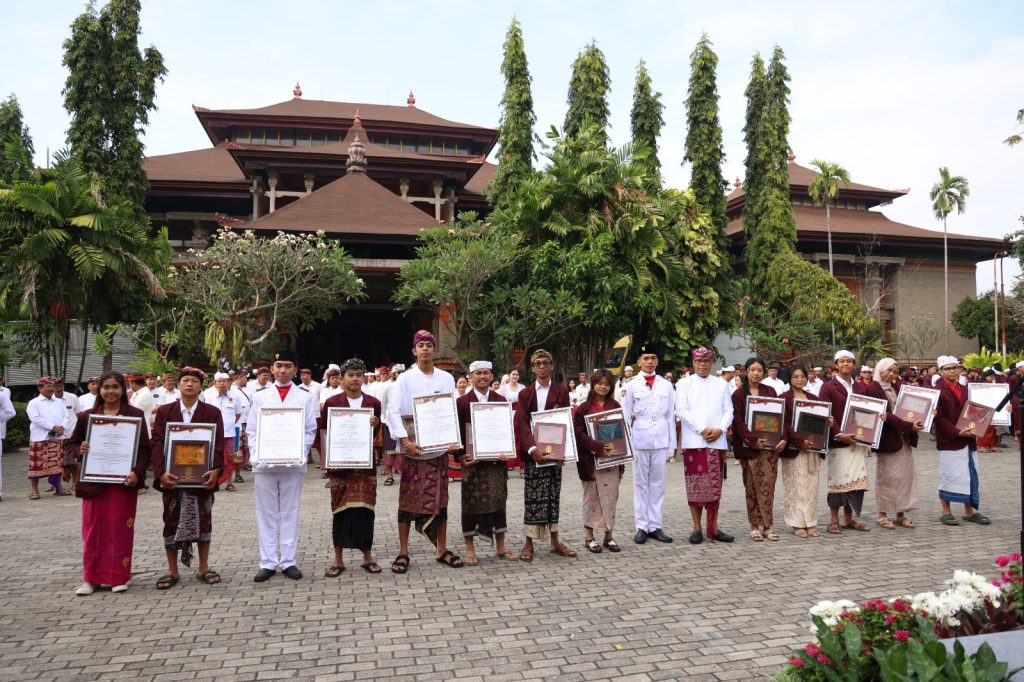
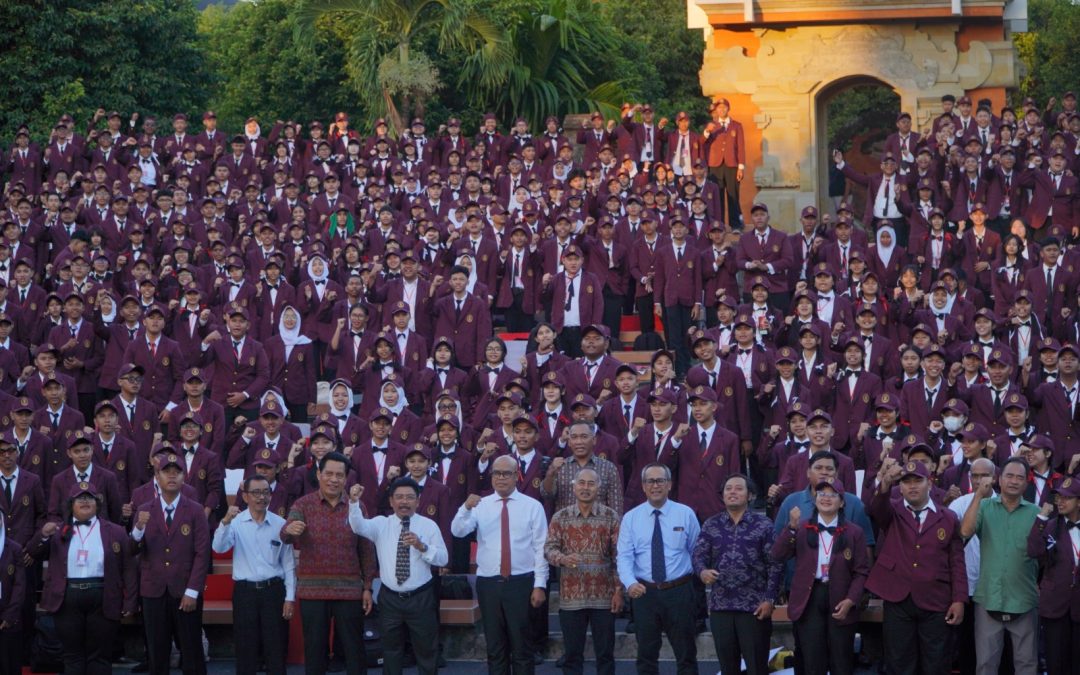
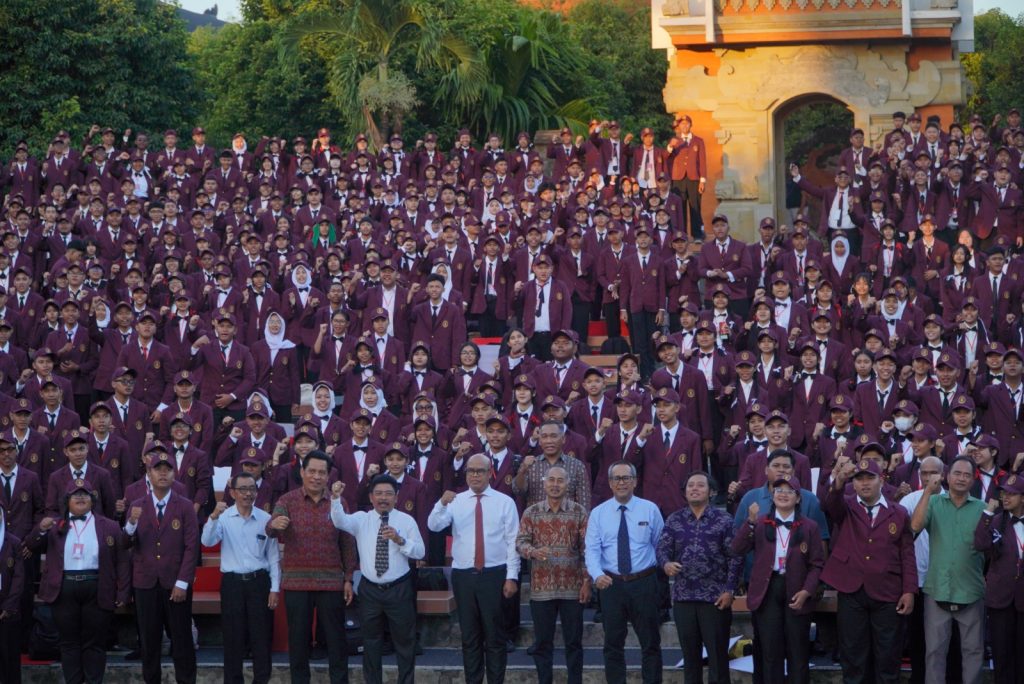
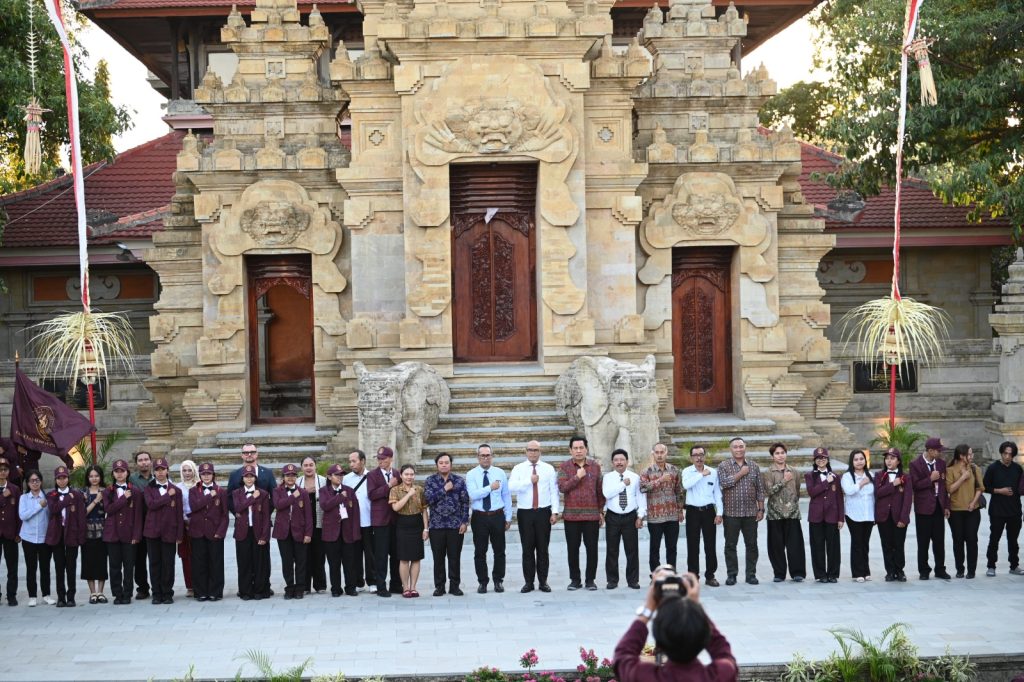
Photo: Flag-raising ceremony commemorating the 81st Anniversary of the Independence of the Republic of Indonesia at Widya Mahardika Field, ISI Bali, Monday, 17 August 2026.
The Institut Seni Indonesia Bali (ISI Bali) held a flag-raising ceremony to commemorate the 81st Anniversary of the Independence of the Republic of Indonesia at Widya Mahardika Field, ISI Bali, on Monday, 17 August 2026. Carrying the theme “A Sovereign, Just, and Prosperous Indonesia,” the ceremony was conducted solemnly and attended by the leadership of ISI Bali, faculty members, educational staff, and students.
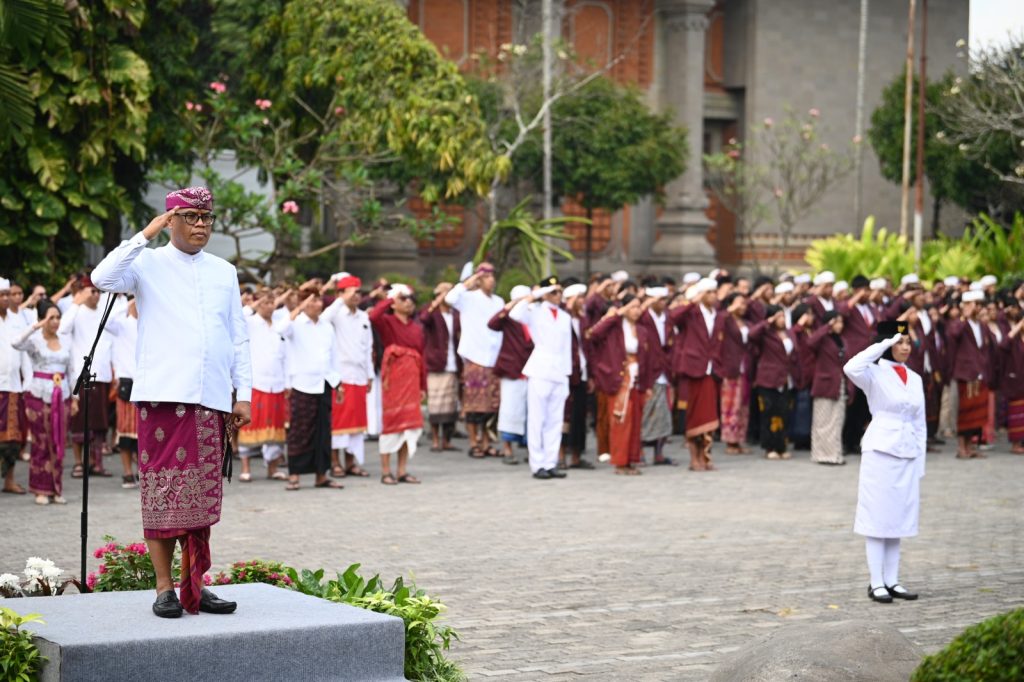
Rector of ISI Bali, Prof. Dr. Wayan “Kun” Adnyana, served as the ceremony’s keynote leader and delivered the mandate of the Minister of Higher Education, Science, and Technology. The address emphasized the strategic role of higher education institutions in advancing the ideals of independence and preparing Indonesia for the future.
Photo: Flag-raising ceremony commemorating the 81st Anniversary of the Independence of the Republic of Indonesia at Widya Mahardika Field, ISI Bali, Monday, 17 August 2026.
Indonesia’s independence, achieved through the courage, sacrifice, unity, blood, and tears of its heroes, carries a responsibility for the present generation to honor that legacy through hard work and tangible contributions. Higher education institutions are expected not merely to function as centers of learning but also to serve as important forces in realizing an Indonesia that is sovereign, advanced, just, prosperous, and respected internationally.
The address highlighted the government’s continued efforts to strengthen various foundations of national development, including food and energy security, the expansion of educational and healthcare services, improvements in governance, as well as downstream industrial development and industrialization. Amid the challenges facing the nation, higher education institutions are encouraged to play an active role through talent development, research, innovation, technological advancement, and the generation of ideas capable of responding to national needs.
Higher education institutions, the address further emphasized, should not limit their role to producing graduates and awarding academic degrees. Universities must become spaces for cultivating highly capable and ethically grounded human resources who master scientific knowledge, demonstrate a strong sense of national responsibility, and possess the courage to contribute to Indonesia’s advancement. Research and innovation are also expected to move beyond reports and academic publications toward prototypes, patents, products, technologies, and solutions that generate tangible benefits for society.
In this context, higher education institutions also have an important role in strengthening national self-reliance in science, technology, and industry. Universities are expected to generate innovations and develop talent capable of enhancing Indonesia’s competitiveness while creating opportunities for quality employment and the emergence of new industries.
The mandate of the Minister of Higher Education, Science, and Technology also underscored the importance of collaboration. Higher education institutions are encouraged to establish strong synergies with government institutions, industry, state-owned enterprises, local governments, research institutions, and communities. Differences in academic disciplines, backgrounds, and geographical regions should not become barriers but rather sources of strength in pursuing a common goal: Indonesia’s continued progress.
This significant responsibility rests upon the shoulders of the entire academic community. University leaders have the responsibility to position higher education institutions as driving forces for national development, while professors, lecturers, researchers, and educational staff play essential roles in upholding academic integrity, educating future generations, producing relevant research, and ensuring the effective delivery of higher education.
Students, as the nation’s future generation, also received particular attention. They are encouraged to be courageous in experimenting, conducting research, creating, and developing new ideas and innovations. The knowledge acquired in higher education should not be directed solely toward personal achievement but should also generate meaningful benefits for society, the nation, and the state.
For ISI Bali as an arts-based higher education institution, this spirit serves as an impetus to continuously position creativity, knowledge, innovation, and artistic production as integral components of its contribution to Indonesia’s development. Art and creativity have an important role in shaping character, strengthening cultural identity, and generating ideas and artistic works that create added value for society.
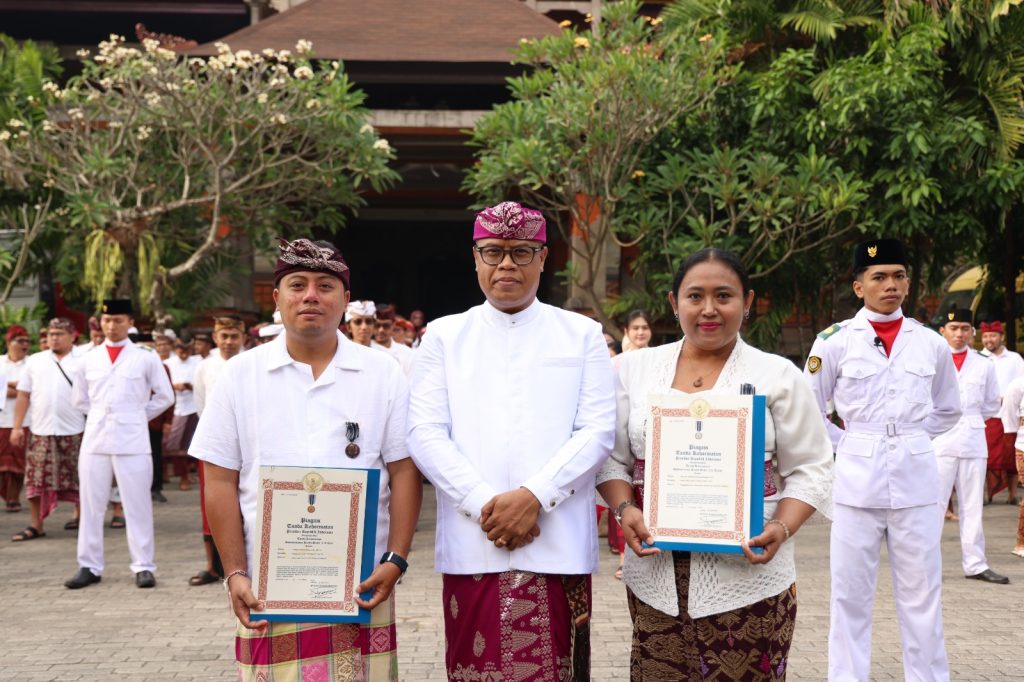
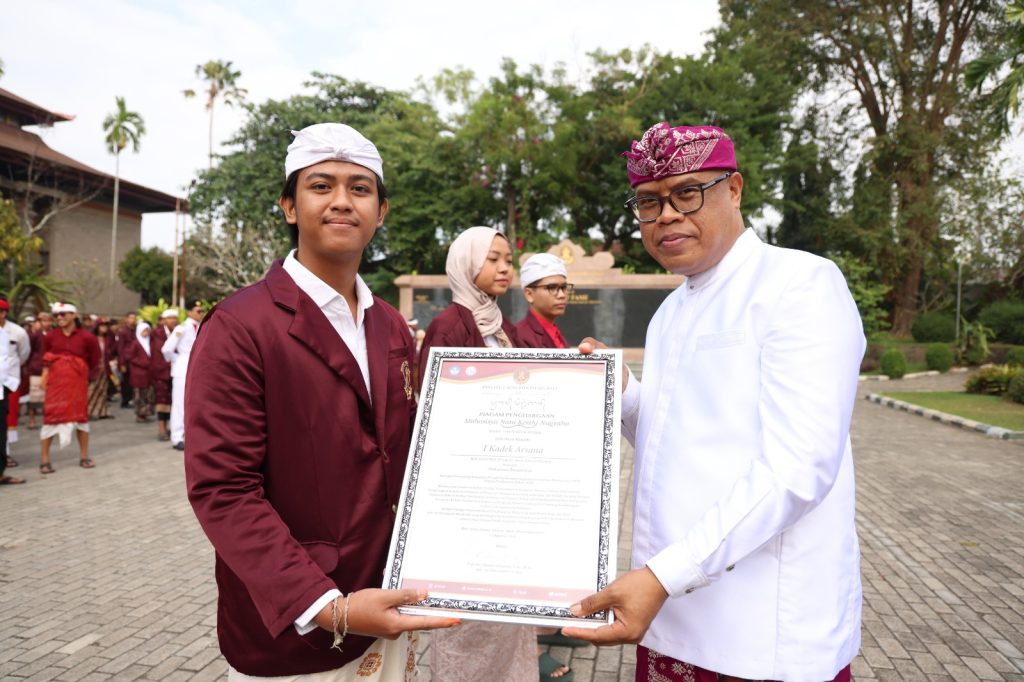
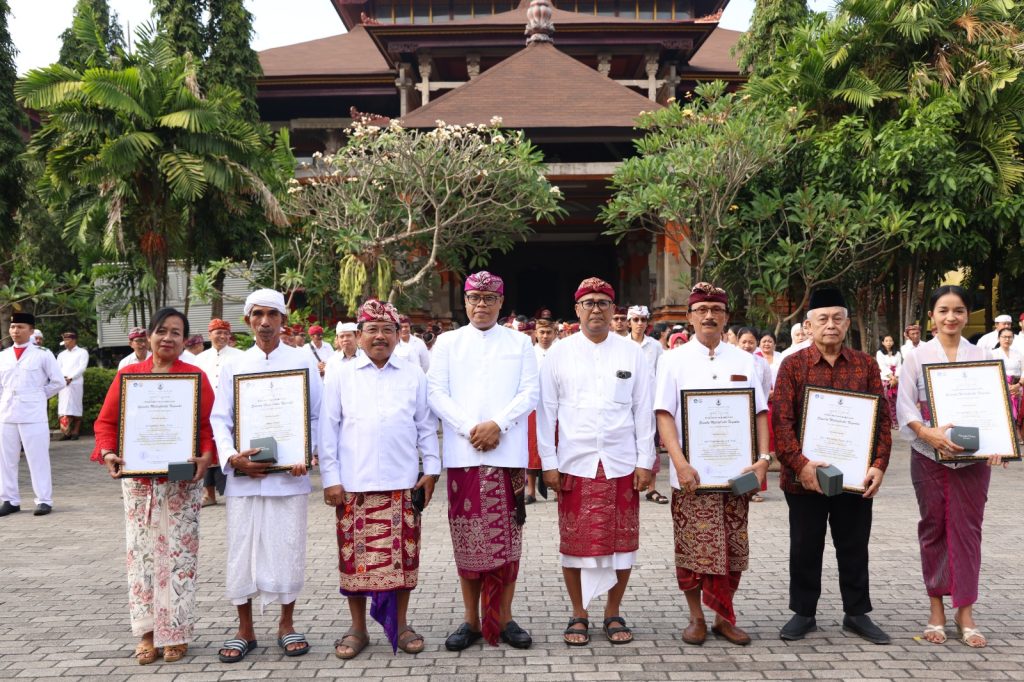
Following the ceremony, the commemoration of the 81st Anniversary of Indonesian Independence at ISI Bali continued with the presentation of several awards recognizing the dedication and achievements of members of the university community.
The Satyalancana Karya Satya award was presented to lecturers and educational staff of ISI Bali in recognition of their dedication and service in carrying out their responsibilities as civil servants. The award represents institutional appreciation for their loyalty, integrity, and sustained commitment to supporting the implementation of higher education at ISI Bali.
In addition, the Sewaka Mahabakti Nugraha award was presented to lecturers and educational staff of ISI Bali who have entered retirement. The award serves as an expression of institutional respect and appreciation for their years of service and their contributions to the development and history of ISI Bali.
Recognition was also extended to students through the Mahasiswa Nata Kerthi Nugraha award, presented to outstanding students. This award acknowledges their achievements and contributions while encouraging the younger generation of ISI Bali to continue developing their potential, creativity, accomplishments, and artistic works that enhance the reputation of their alma mater.
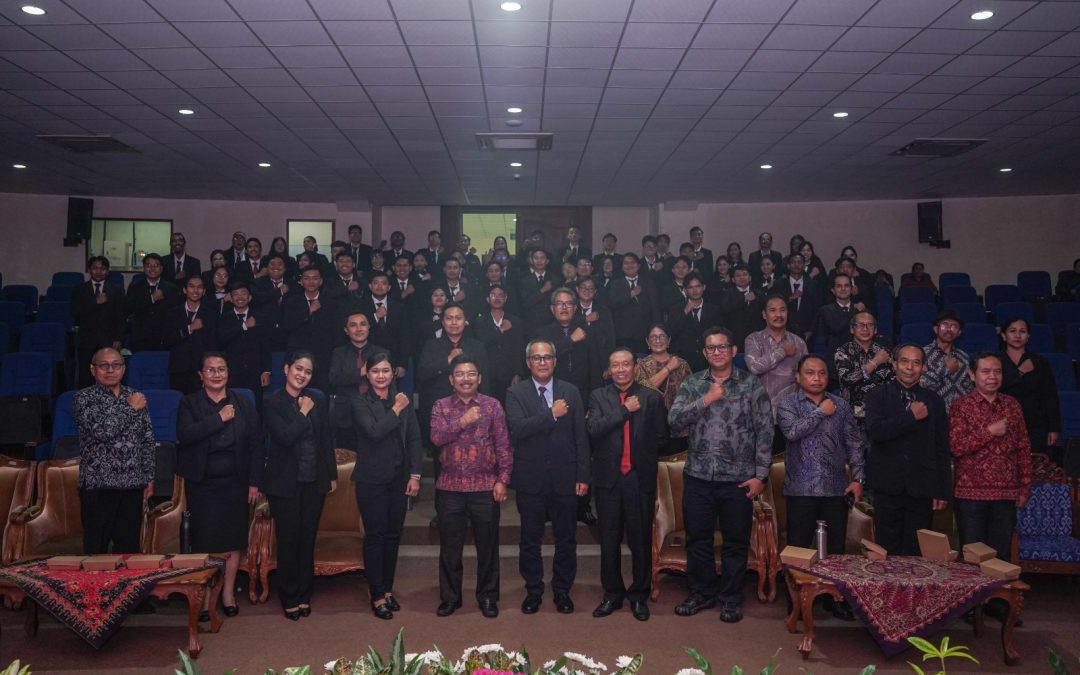
Photo: Master’s Degree Conferral Ceremony for the Even Semester of the 2025/2026 Academic Year, held in the Vicon Room, Citta Kelangen Building, ISI Bali, Tuesday, 11 August 2026.
The Graduate School of the Institut Seni Indonesia (ISI) Bali held its Master’s Degree Conferral Ceremony (Yudisium) for the Even Semester of the 2025/2026 Academic Year in the Vicon Room, Citta Kelangen Building, ISI Bali, on Tuesday, 11 August 2026. The ceremony was conducted under the theme “Weruh–Ranu–Wangi: Knowledge Flows and Spreads Its Fragrance.”
A total of 60 master’s degree candidates participated in this academic ceremony. The graduates comprised 28 graduates from the Master of Arts Study Program, 15 graduates from the Master of Design Study Program, 10 graduates from the Master of Arts Education Study Program, and 7 graduates from the Master of Arts Management Study Program.
In her welcoming address, the Director of the Graduate School of ISI Bali, Nyoman Dewi Pebryani, S.T., M.A., Ph.D., congratulated all graduates on their academic achievement. She expressed her hope that the knowledge acquired during their studies at ISI Bali would continue to flourish and generate meaningful contributions to society.
She explained that “Weruh” symbolizes the knowledge gained throughout the students’ academic journey. This knowledge is expected to flow continuously, bringing abundance and benefits to society, as represented by the meaning of “Ranu” (lake), while “Wangi” (fragrance) symbolizes the aspiration that their contributions will extend widely and leave a lasting positive impact.
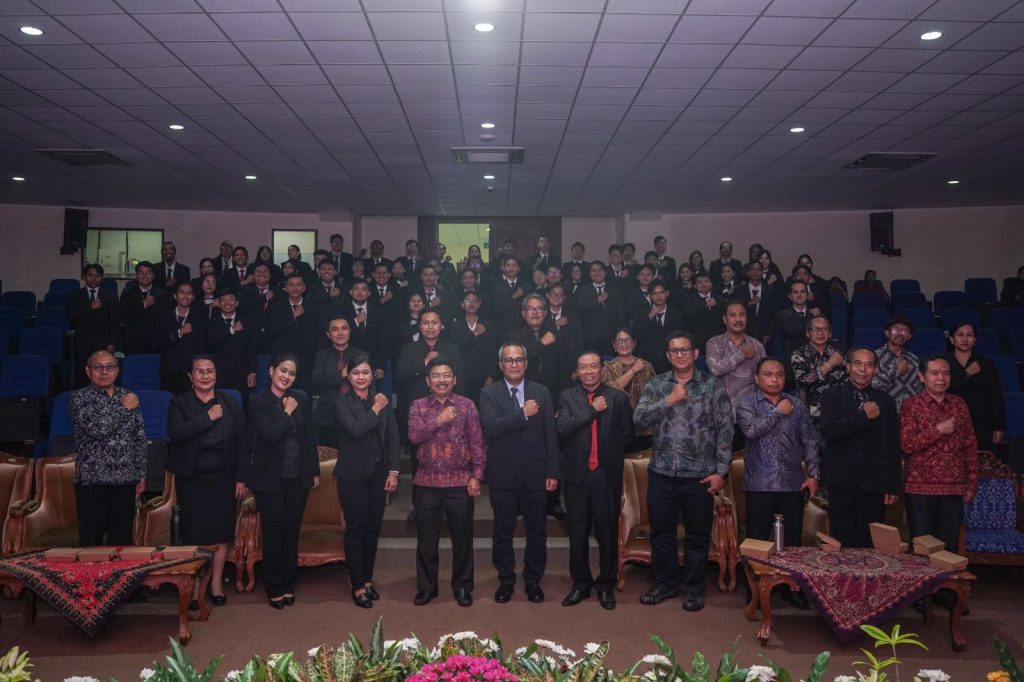
Photo: Master’s Degree Conferral Ceremony for the Even Semester of the 2025/2026 Academic Year, held in the Vicon Room, Citta Kelangen Building, ISI Bali, Tuesday, 11 August 2026.
The ceremony was officially opened by the Vice Rector for Academic Affairs and Information Systems, Prof. Dr. Anak Agung Bagus Udayana, S.Sn., M.Si. In his remarks, he encouraged the graduates to continue building collaborative relationships and to remain actively engaged with their alma mater through the university’s alumni network.
He emphasized that a strong alumni network plays a vital role in strengthening the reputation and future development of ISI Bali’s Graduate School.
The graduates’ representative, Ni Wayan Yuliani, a student of the Master of Arts Management Study Program, widely known as Ayu Saraswati, delivered the graduates’ farewell address. In her speech, she reflected on how pursuing a master’s degree at ISI Bali had profoundly transformed her perspective, particularly in the way she thinks critically and communicates ideas.
She noted that the knowledge and experiences gained throughout her studies not only enhanced her academic competence but also strengthened her ability to express ideas through scholarly writing and improved her communication skills.
The ceremony was attended by university executives, academic leaders, and faculty members of the Graduate School. Their presence reflected the institution’s appreciation and support for the graduates in recognition of the successful completion of their master’s studies.
The Master’s Degree Conferral Ceremony for the Even Semester of the 2025/2026 Academic Year marked an important milestone for the graduates as they embark on the next stage of their academic and professional careers. Equipped with the knowledge, experience, and professional networks developed during their studies, the graduates are expected to make meaningful contributions to society while upholding the reputation of ISI Bali in their respective fields of service and professional practice.
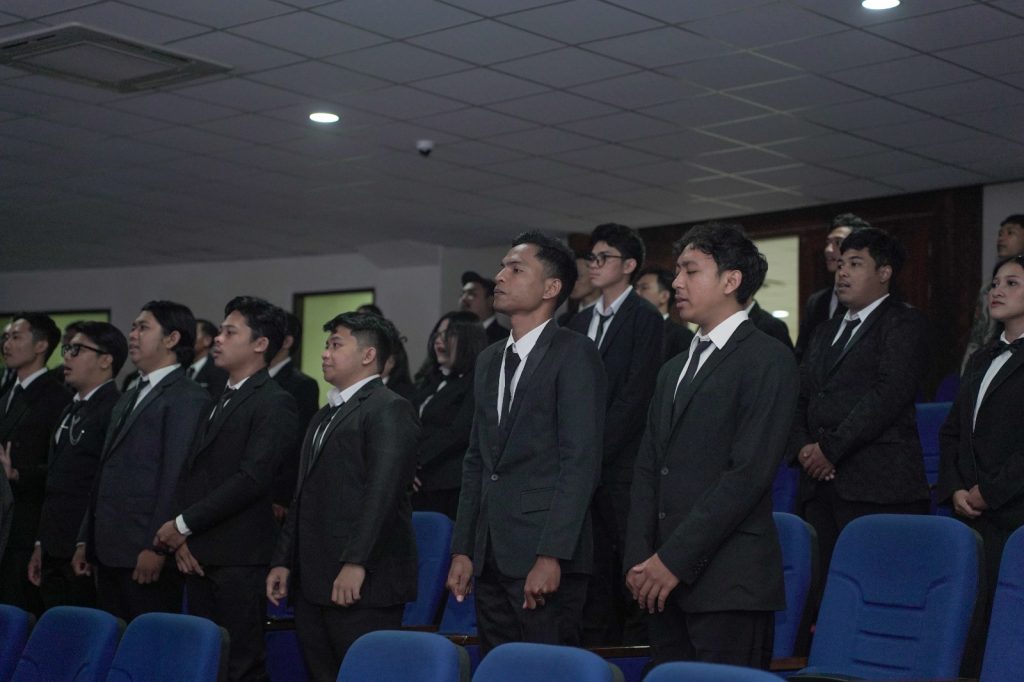
Photo: ISI Bali’s New Student Inauguration Ceremony at the Nretya Mandala Open Stage, ISI Bali, Tuesday, 11 August 2026.
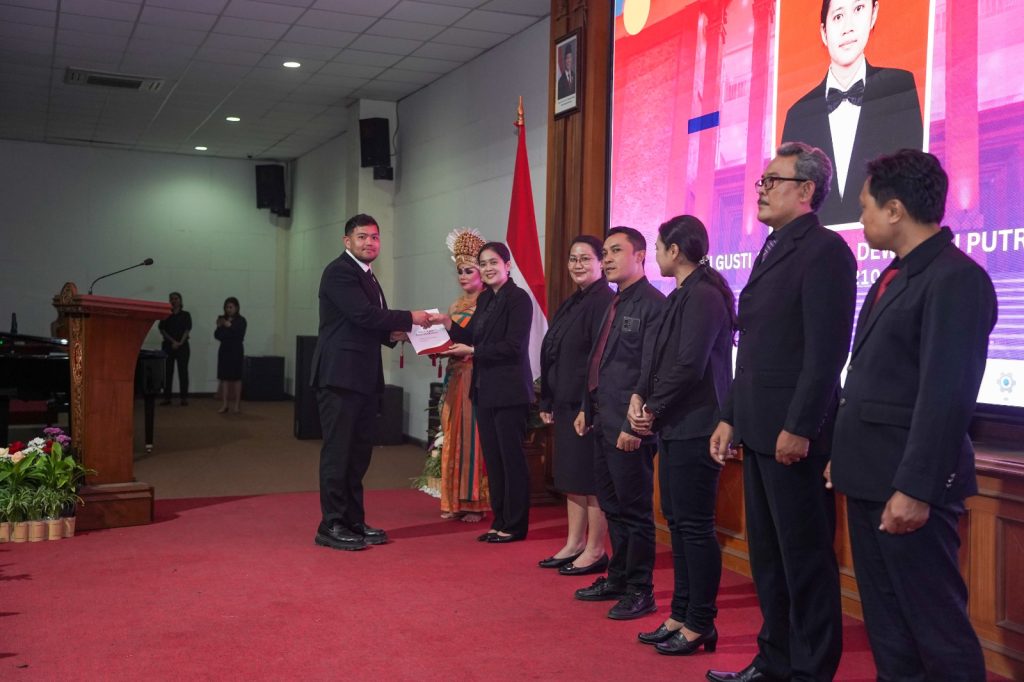
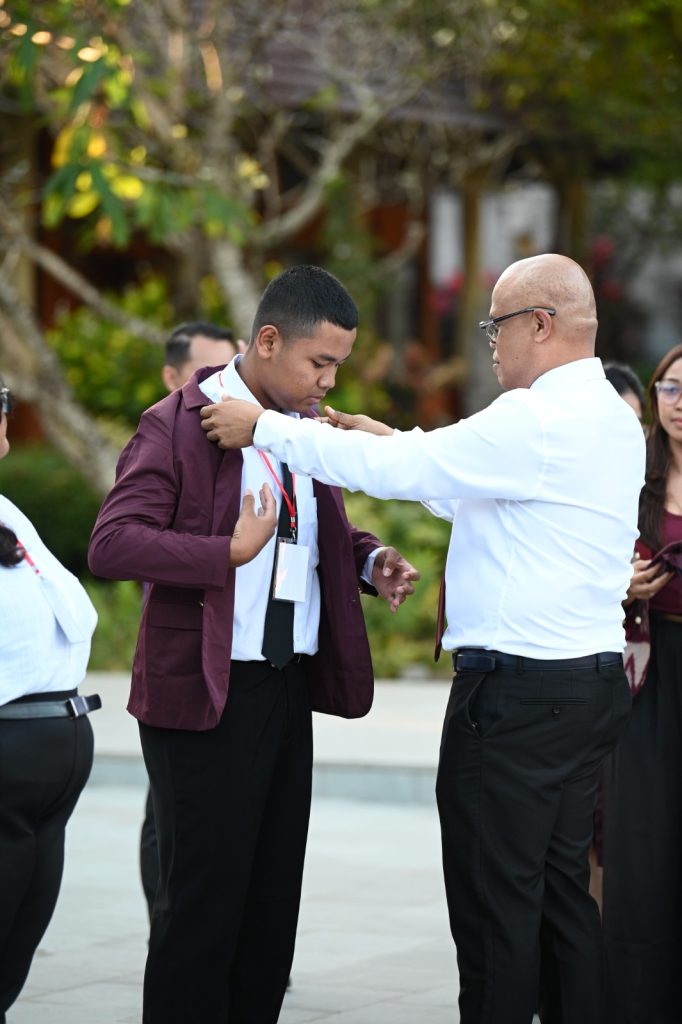
The Institut Seni Indonesia Bali (ISI Bali) officially inaugurated 1,121 new students for the 2026/2027 Academic Year in a ceremonial event entitled “Carma–Jnana–Cita (The Charisma of Noble Aspirations)”, held at the Nretya Mandala Open Stage, ISI Bali, on Tuesday, 11 August 2026. The inauguration was symbolically marked by the presentation of the university blazer (jas almamater) to representatives of students from 19 undergraduate and applied undergraduate study programs by the Rector of ISI Bali, Prof. Dr. Wayan “Kun” Adnyana.
In his welcoming address, Rector Prof. Dr. Wayan “Kun” Adnyana extended his congratulations and warm welcome to all incoming students. He emphasized that entering higher education represents a significant milestone in life, as students begin a more mature stage characterized by greater personal and social responsibilities.
He explained that ISI Bali serves as a space for nurturing talent and developing students’ competencies, enabling them to grow into well-rounded individuals who are prepared to contribute meaningfully to society. Therefore, students are encouraged not only to pursue academic excellence but also to cultivate strong character, discipline, and responsibility throughout their educational journey.
“ISI Bali is a place where talents are nurtured and skills are cultivated toward maturity. Becoming part of ISI Bali is part of a lifelong journey. As we grow more mature, our responsibility to society also becomes greater,” he stated.
According to Prof. Adnyana, the decision to pursue higher education at ISI Bali constitutes a meaningful stage in each student’s personal journey. He encouraged the new students to regard this opportunity as a platform for creativity, innovation, and healthy competition in advancing the fields of arts, design, and digital innovation.
“Choosing ISI Bali is a path entrusted by the universe. Let us strive together to advance the arts, design, and digital innovation. Our meeting at ISI Bali is the result of our shared positive karma,” he remarked.
Photo: ISI Bali’s New Student Inauguration Ceremony at the Nretya Mandala Open Stage, ISI Bali, Tuesday, 11 August 2026.
The 2026/2027 Academic Year also marks an important milestone for ISI Bali with the admission of students into two newly established study programs for the first time. These programs are the English Language and Culture Study Program, enrolling 28 students, and the Vocational Education in Cosmetology Study Program, enrolling eight students.
The establishment of these new academic programs reflects ISI Bali’s continued commitment to expanding its educational landscape beyond the traditional arts, while responding to the evolving demands of interdisciplinary scholarship and the increasingly diverse creative industries.
ISI Bali also recorded an increase in new student enrollment compared with the previous academic year. In 2025, the university admitted 1,043 new students, while in 2026 the number increased to 1,121 students, representing an increase of 78 students, or approximately 7.5 percent.
This growth demonstrates the increasing public interest in the educational opportunities offered by ISI Bali. The diversity of the incoming student body further enriches the university’s academic environment and strengthens its creative ecosystem in the fields of arts, culture, design, and innovation.
Photo: ISI Bali’s New Student Inauguration Ceremony at the Nretya Mandala Open Stage, ISI Bali, Tuesday, 11 August 2026.
The inauguration ceremony formed part of ISI Bali’s Orientation Program for New Students (Pengenalan Kehidupan Kampus bagi Mahasiswa Baru/PKKMB), conducted from 11–12 August 2026. The welcoming activities will continue with Student Day, scheduled for 13 August 2026.
Throughout the orientation program, new students are introduced to the university environment, academic regulations, campus facilities, and the range of institutional support services available at ISI Bali. They also participate in a series of educational sessions delivered by distinguished speakers covering topics such as student ethics, civic responsibility, ISI Bali’s integrated information systems, and other subjects related to academic life and personal development.
The orientation program marks the beginning of the academic journey for the university’s 1,121 newly admitted students. Guided by the spirit of Carma–Jnana–Cita, they are expected to develop not only academic and professional competencies but also integrity, perseverance, social responsibility, and noble aspirations that will enable them to make meaningful contributions to society through their artistic and creative endeavors.
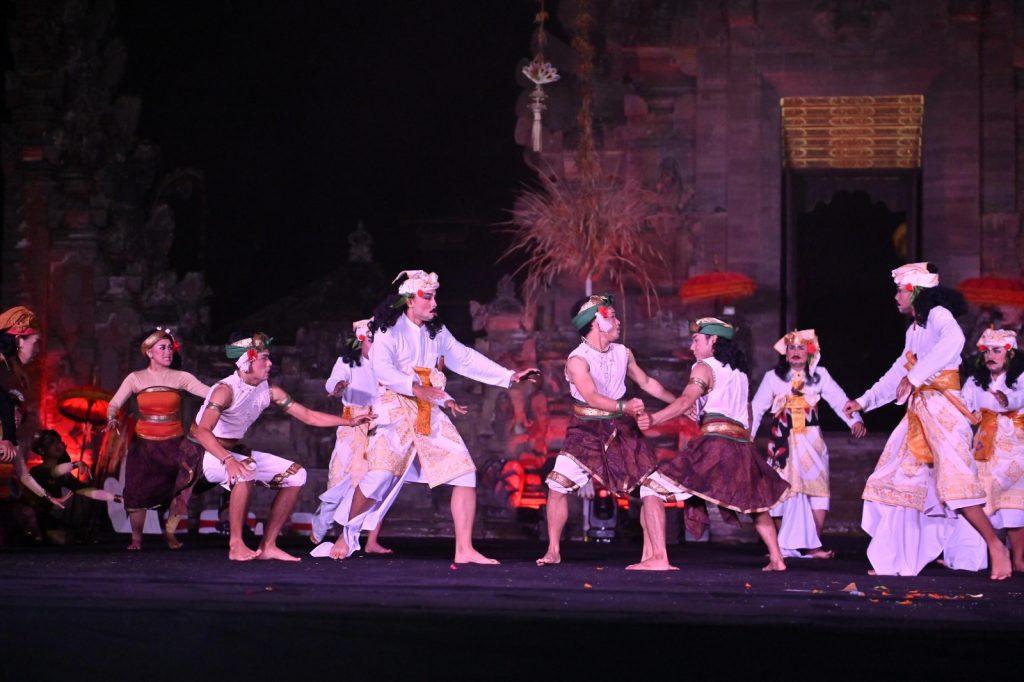
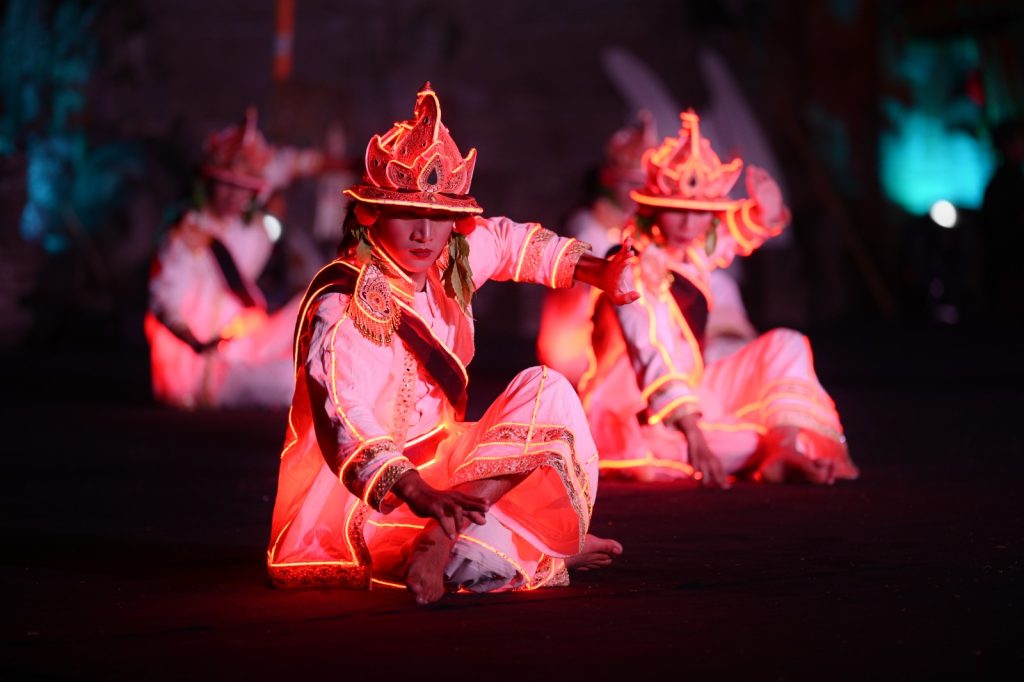
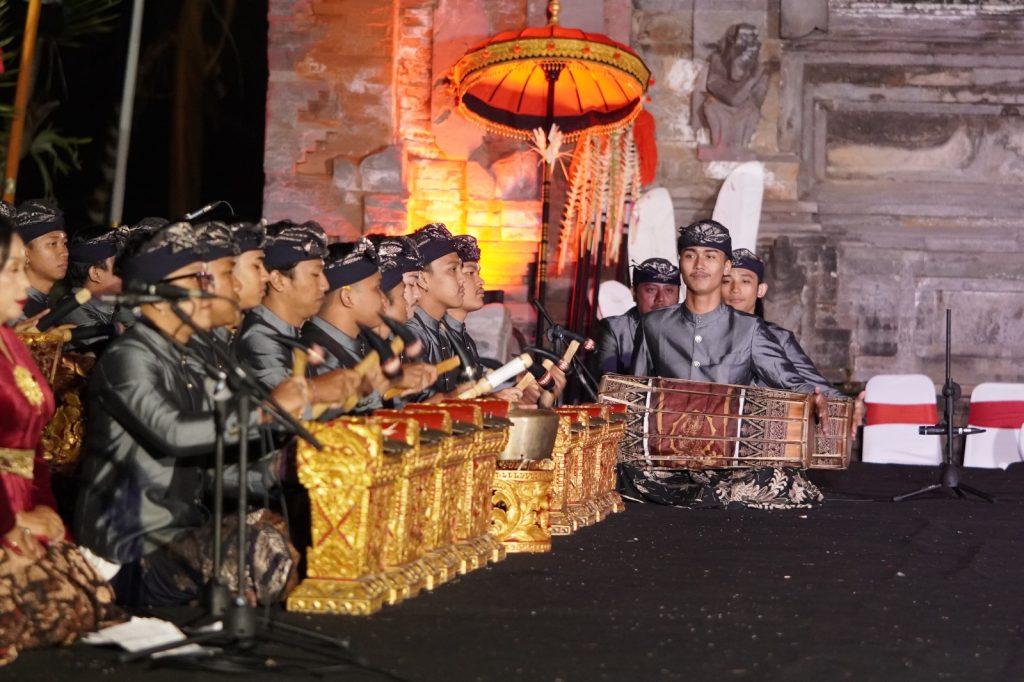
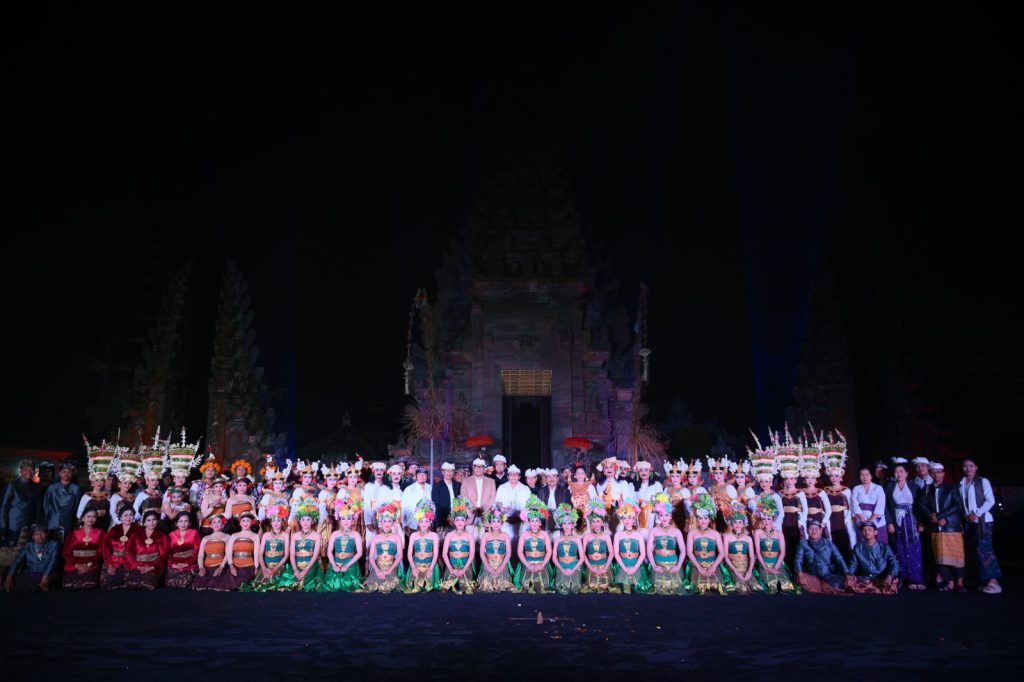
Photo: Dissemination of Research, Artistic Creation, and Art-Design Dissemination (P2DSD) 2026, Commemorating the Centennial of Rarud Batur, held at Pura Kahyangan Jagat Ulun Danu Batur, Batur Traditional Village, Kintamani, Bangli, Monday (3 August).
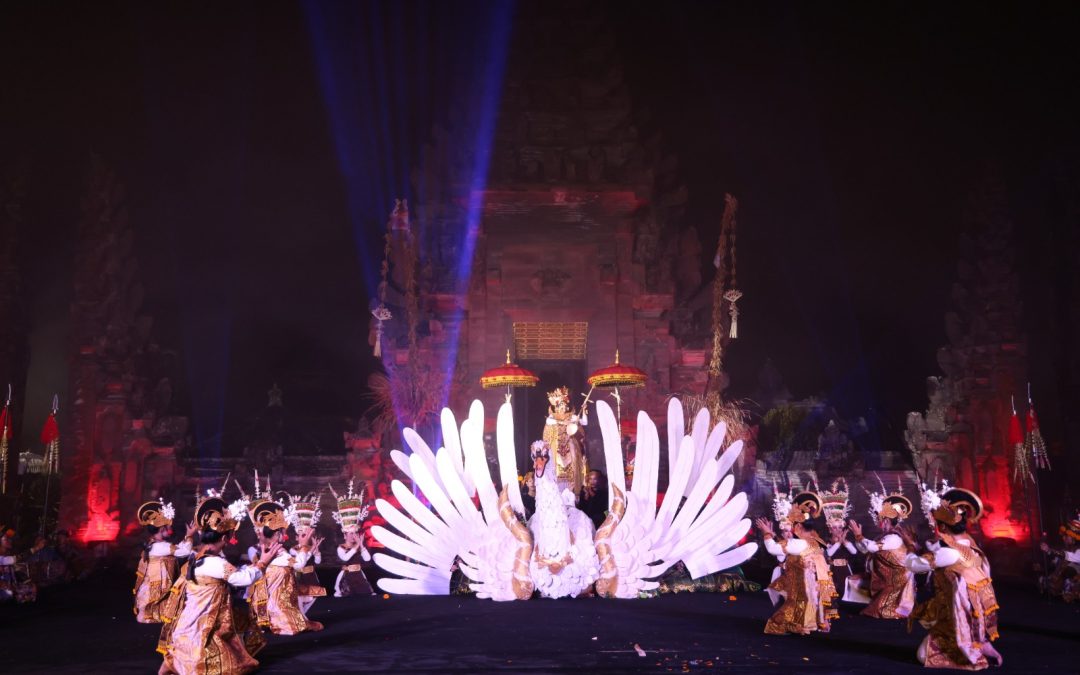
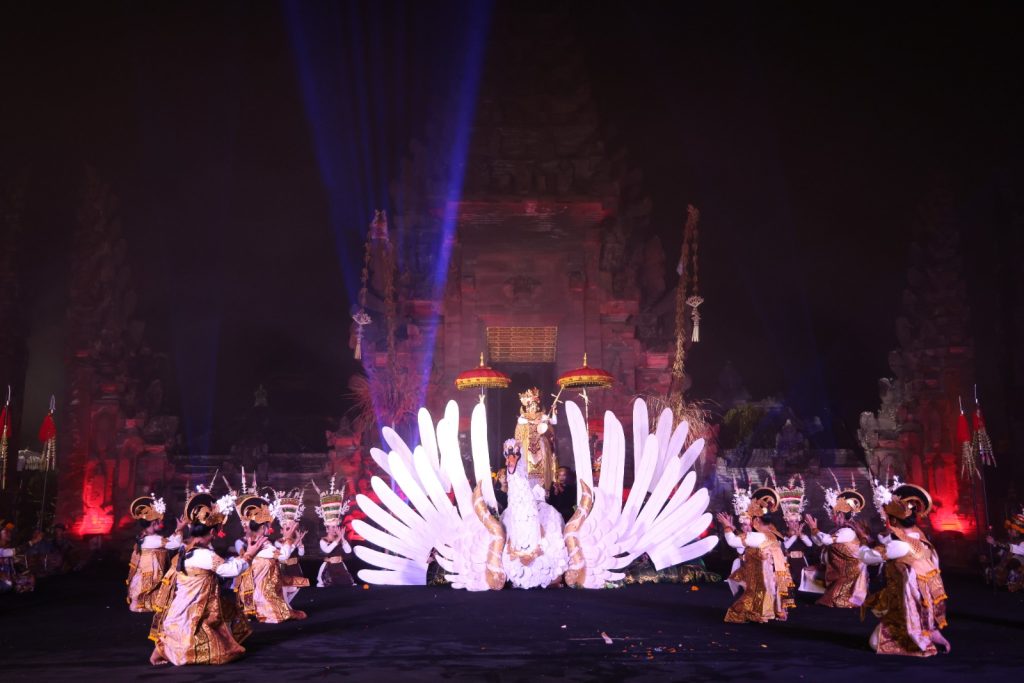
The Institut Seni Indonesia Bali (ISI Bali) once again demonstrated its commitment to advancing research-based artistic practices through the implementation of the 2026 Research, Artistic Creation, and Art-Design Dissemination (P2DSD) Program. Marking the centennial commemoration of Rarud Batur, ISI Bali presented three research-derived artistic works: the contemporary dance fragment Ranu Saraswati Rena, Tari Tengklung Kebah, and the musical composition Cipta Gamelan Saraswati. These performances were staged at Pura Kahyangan Jagat Ulun Danu Batur, Batur Traditional Village, Kintamani, Bangli, on Monday (3 August).
These three artistic productions represent both the dissemination of research outcomes and a tribute to the historical legacy, spirituality, and indigenous knowledge of the Batur community that have been preserved across generations. The performances formed part of the Centennial Commemoration of Rarud Batur, a historic occasion marking one hundred years since the relocation of the Batur Traditional Village community from Batur Let to Batur Karangan Anyar following the devastating eruption of Mount Batur in August 1926.
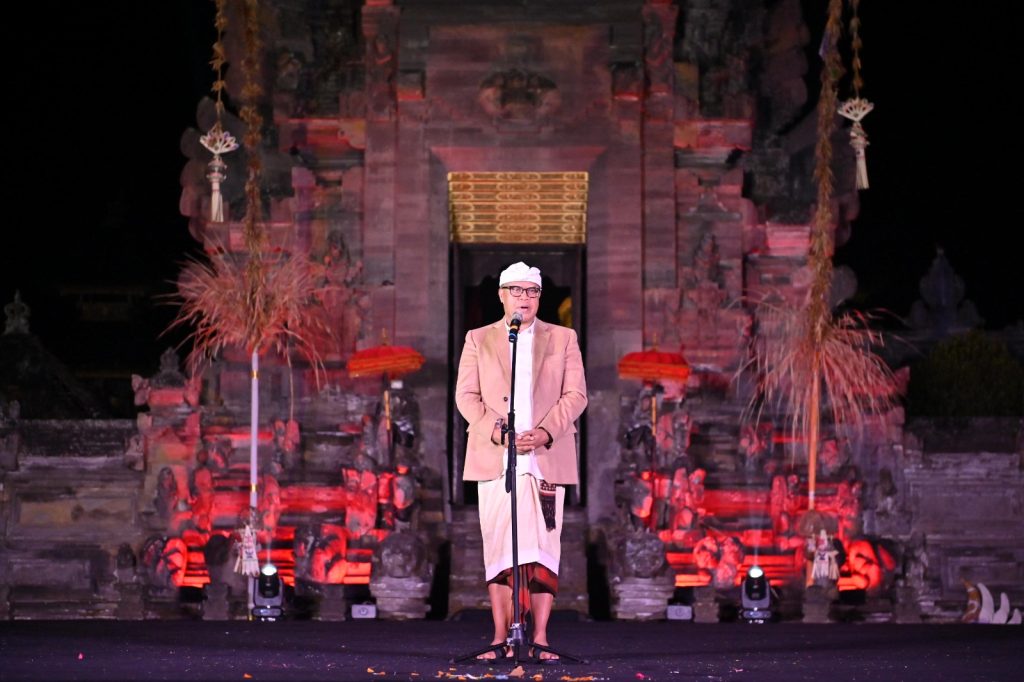
Photo: Rector of ISI Bali, Prof. Dr. Wayan “Kun” Adnyana, delivering his remarks during the 2026 P2DSD dissemination event commemorating the Centennial of Rarud Batur at Pura Kahyangan Jagat Ulun Danu Batur.
In his address, Rector Prof. Dr. Wayan “Kun” Adnyana described the Batur region as a center of knowledge that continuously flows like the waters of Lake Batur. He emphasized that this knowledge is not only embedded within the traditions of the local community but also serves as a vital source of inspiration for scientific inquiry, artistic research, and creative production at ISI Bali.
“ISI Bali honors the abundance of knowledge that flows endlessly like the waters of Lake Batur. This knowledge continues to spread and resonate across regions, inspiring the academic and artistic endeavors of our institution,” he stated.
According to Prof. Adnyana, through the 2026 P2DSD Program, ISI Bali conducted four research projects involving approximately 175 participants, including faculty members, educational staff, and students. These projects were led by Prof. Dr. Wayan Suardana, Dr. Made Kartawan, Wayan Diana Putra, M.Sn., and AA Ayu Mayun Artati, M.Sn.
Photo: The 2026 Research, Artistic Creation, and Art-Design Dissemination (P2DSD) Program, commemorating the Centennial of Rarud Batur, held at Pura Kahyangan Jagat Ulun Danu Batur, Batur Traditional Village, Kintamani, Bangli, on Monday, 3 August 2026.
He further emphasized that all artistic works presented constitute an interpretation of the emergence of a new civilization in Batur while remaining firmly connected to its historical origins in Batur Let, whose cultural foundations have existed for thousands of years. According to him, ISI Bali maintains both sekala (tangible) and niskala (intangible/spiritual) relationships with Batur, which continue to be nurtured through education, research, artistic creation, and community engagement.
Prof. Adnyana also explained that ISI Bali venerates the sacred effigy (sesuhunan) Ratu Ayu Mas Membah, a ceremonial mask created by the late Balinese master artist Cok Alit Artawan from wood originating from Pura Dalem Serongga, one of the sacred temples associated with Batur. The sacred effigy has been internalized by the university’s academic community as a symbol of inspiration for creative expression and continuous exploration of ancestral knowledge.
Photo: Dissemination of Research, Artistic Creation, and Art-Design Dissemination (P2DSD) 2026 at Pura Kahyangan Jagat Ulun Danu Batur.
Representing the Batur customary authority, Jro Penyarikan Duuran Batur expressed appreciation to ISI Bali for its active participation in commemorating the Centennial of Rarud Batur through research-based artistic productions. He noted that the relocation of the Batur Traditional Village following the 1926 eruption of Mount Batur was not merely a physical migration but also a profound historical event that tested the resilience of the community’s cultural identity, spirituality, and social solidarity.
He further emphasized that the centennial commemoration should not merely serve as a ceremonial remembrance of the past but should instead become a collective movement dedicated to preserving noble cultural values, strengthening cultural identity, and fostering a sustainable, harmonious, and resilient future for the Batur community.
One of the featured performances was the contemporary dance fragment Ranu Saraswati Rena, which narrates the relocation of the Batur Let community to Batur Karangan Anyar after the 1926 eruption of Mount Batur. Through the integration of dance, music, and dramatic performance, the work portrays the community’s determination to preserve sacred religious manuscripts, Raja Purana, pratima (sacred heirlooms), and ceremonial objects as enduring symbols of cultural continuity and spirituality. The centennial of Rarud Batur is interpreted as a heritage of knowledge and devotion to Hyang Dewi Danu, who serves as the principal spiritual inspiration for the work.
The dance was composed by Dr. Made Kartawan and Dr. I Nyoman Kariasa, with choral direction by Nyoman Nik Suasti, S.Sn., and choreography by AA Ayu Mayun Artati, M.Sn., I Gede Oka Surya Negara, S.ST., M.Sn., and Gede Radiana Putra, M.Sn.
ISI Bali also disseminated Tari Tengklung Kebah, a dance inspired by the movements of traditional Balinese martial arts (tengklung or pencak silat). The choreography illustrates the spirit of Balinese youth cultivating agility, strength, and resilience through dynamic martial movements characterized by firm stances, agile defensive techniques, and energetic footwork. The choreography was created by I Gede Oka Surya Negara, S.ST., M.Sn., with musical composition by I Wayan Diana Putra, S.Sn., M.Sn.
Photo: Dissemination of Research, Artistic Creation, and Art-Design Dissemination (P2DSD) 2026.
The event also featured the musical composition Cipta Gamelan Saraswati, developed from scholarly research on Tabuh Pat Parianom, a traditional musical heritage of the Batur Traditional Village. The composition draws upon the symbolism of Dewi Saraswati as the embodiment of knowledge and Betari Danu as the source of prosperity, expressing the idea that environmental conservation knowledge constitutes a fundamental pillar in the development of civilization.
Through the transformation of the musical formulation of Tabuh Pat Parianom into a contemporary musical grammar, Cipta Gamelan Saraswati demonstrates how local knowledge embedded within the ritual life of the Batur community continues to evolve while acquiring new academic dimensions through research and artistic creation at ISI Bali. The composition was created by I Wayan Diana Putra, S.Sn., M.Sn., Dr. I Nyoman Kariasa, S.Sn., M.Sn., and I Made Dwi Andika Putra, S.Sn., M.Sn., with choral arrangement by Ni Komang Sekar Marheni, S.S.P., M.Si.
Through these three artistic works, ISI Bali reaffirmed that research and artistic creation should not remain solely as academic outputs but should be disseminated to the broader community as instruments for education, cultural preservation, and the strengthening of collective memory concerning local history and indigenous knowledge. The Centennial of Rarud Batur thus became a collaborative platform connecting an arts higher education institution with the customary community in safeguarding the continuity of Bali’s cultural heritage through scholarly, artistic, and spiritual approaches.
(ISI Bali/Public Relations)
Photo: The 2026 Research, Artistic Creation, and Art-Design Dissemination (P2DSD) program, Commemorating the Centennial of Rarud Batur, held at Pura Kahyangan Jagat Ulun Danu Batur, Batur Traditional Village, Kintamani, Bangli, on Monday, 3 August 2026.
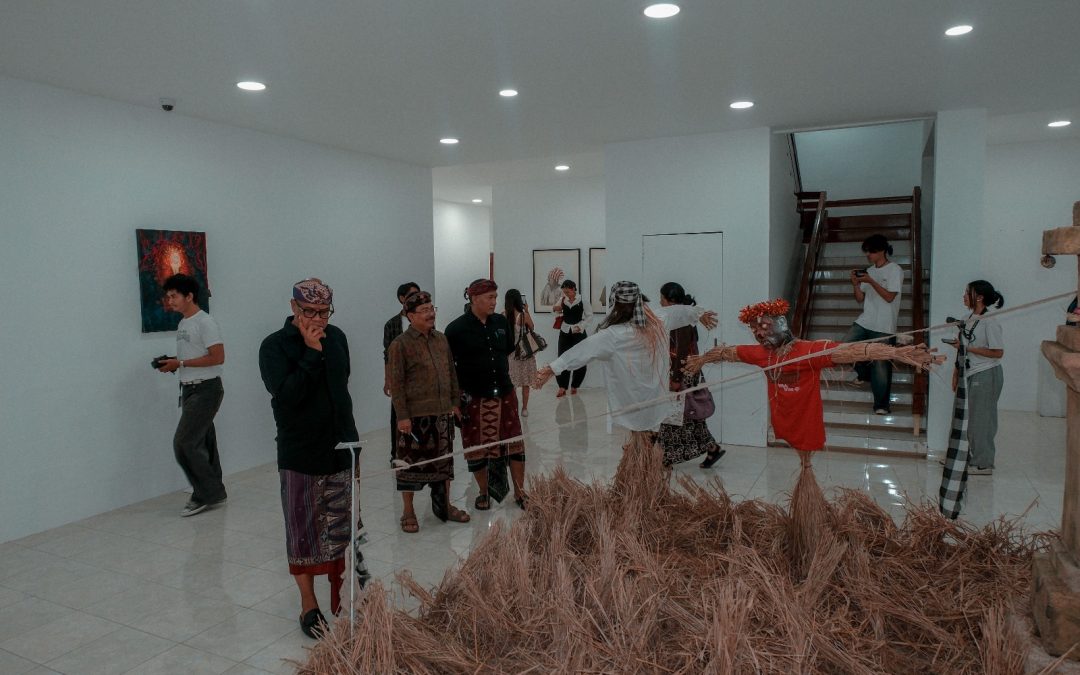
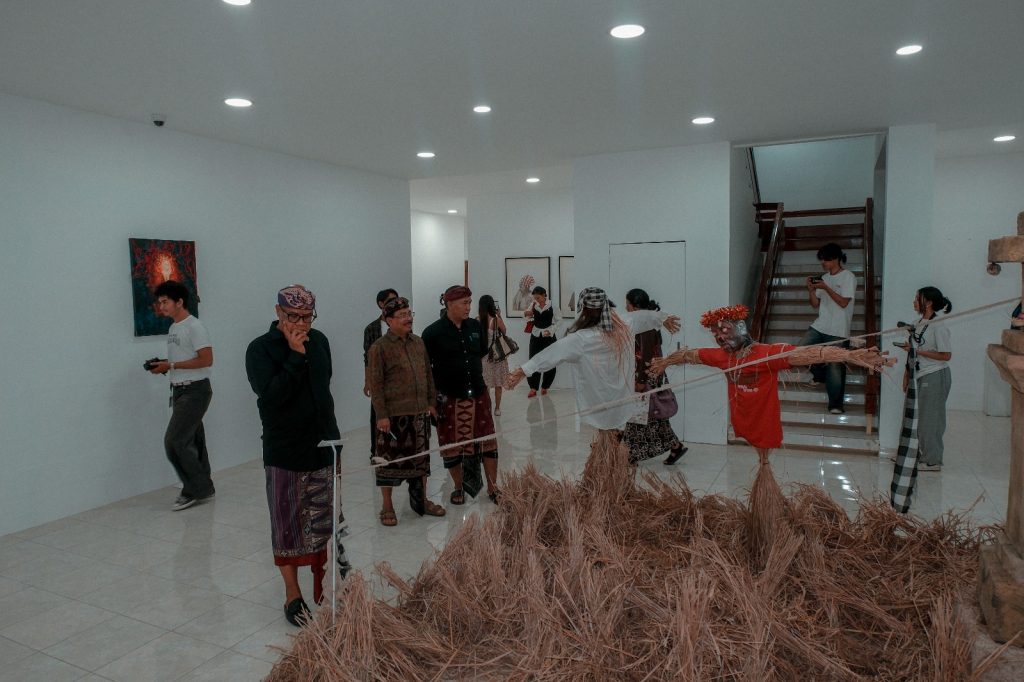
Photo:Campus Week International Exhibition 3.0 at Nata-Citta Art Space, ISI BALI, Thursday (30 July).
The Student Executive Board (BEM) of Institut Seni Indonesia Bali (ISI BALI) presented an international platform for artistic appreciation through the Campus Week International Exhibition 3.0, themed “Adi Karsa Anantari.” The exhibition, featuring 39 selected artworks from an international open call, was officially inaugurated by the Rector of ISI BALI, Prof. Dr. Wayan ‘Kun’ Adnyana, at the Nata-Citta Art Space (N-CAS), ISI BALI, on Thursday (30 July).
The exhibition showcases 39 works selected through a rigorous curatorial process from 116 submissions received during the open call. The selected participants include ISI BALI students alongside independent artists from Indonesia, the United Kingdom, Thailand, Australia, India, and Chile. This diversity of cultural and artistic backgrounds enriches the perspectives represented in the exhibition while reinforcing the spirit of cross-cultural collaboration promoted by Campus Week 2026.
As one of the flagship programs of Campus Week 2026, the exhibition provides a platform for students and artists to communicate creative ideas through diverse artistic media. The featured works explore a broad range of contemporary issues, including tradition, environmental sustainability, women’s empowerment, technological development, and cultural identity, expressed through painting, illustration, digital art, and installation.
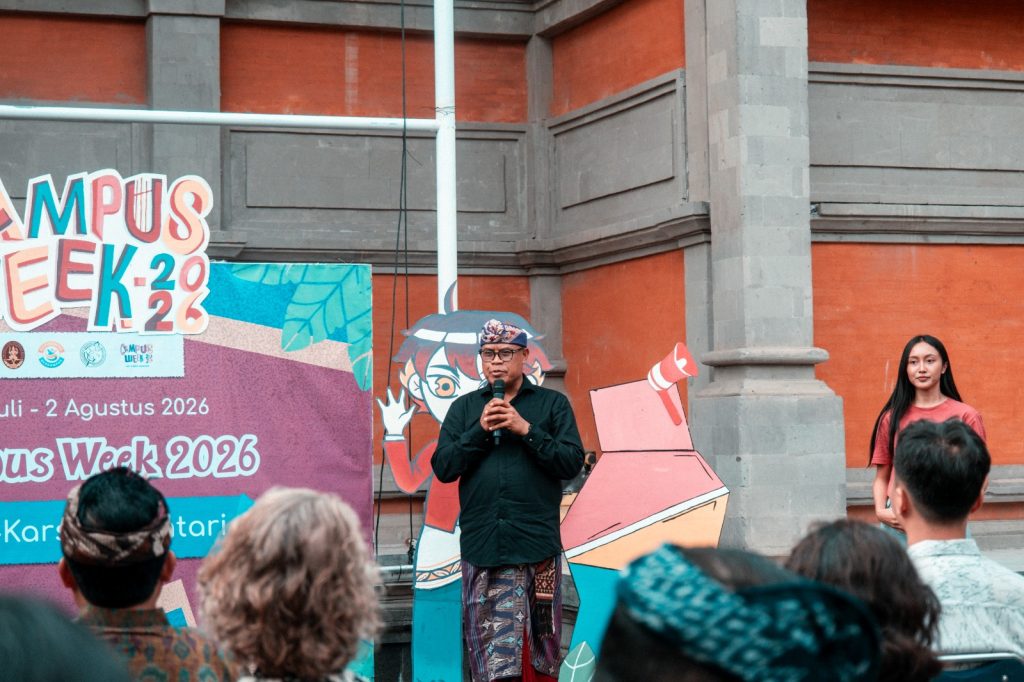
Photo:Opening Ceremony of Campus Week International Exhibition 3.0 at Nata-Citta Art Space, ISI BALI, Thursday (30 July).
In his opening remarks, the Rector of ISI BALI, Prof. Dr. Wayan ‘Kun’ Adnyana, expressed his appreciation to the Student Executive Board for successfully organizing an international exhibition that demonstrates the students’ capacity to create a high-quality artistic platform that is both inclusive and accessible to the wider community.
He emphasized that art and design serve as powerful media through which students can communicate ideas thoughtfully using visual languages that are aesthetic, distinctive, and expressive of individual identity. Becoming an artist or designer, he noted, extends beyond the production of artworks; it is a continuous journey of exploring originality, discovering one’s artistic identity, and sustaining creative practice.
“Students possess the ability to engage with various artistic media and to use art as a thoughtful means of communication. The uniqueness and beauty embodied in every work should continue to be explored as part of an artist’s and designer’s pursuit of self-discovery. The future lies in the hands of ISI BALI students. Continue creating and make art a space for bringing humanitarian values to society,” the Rector stated.
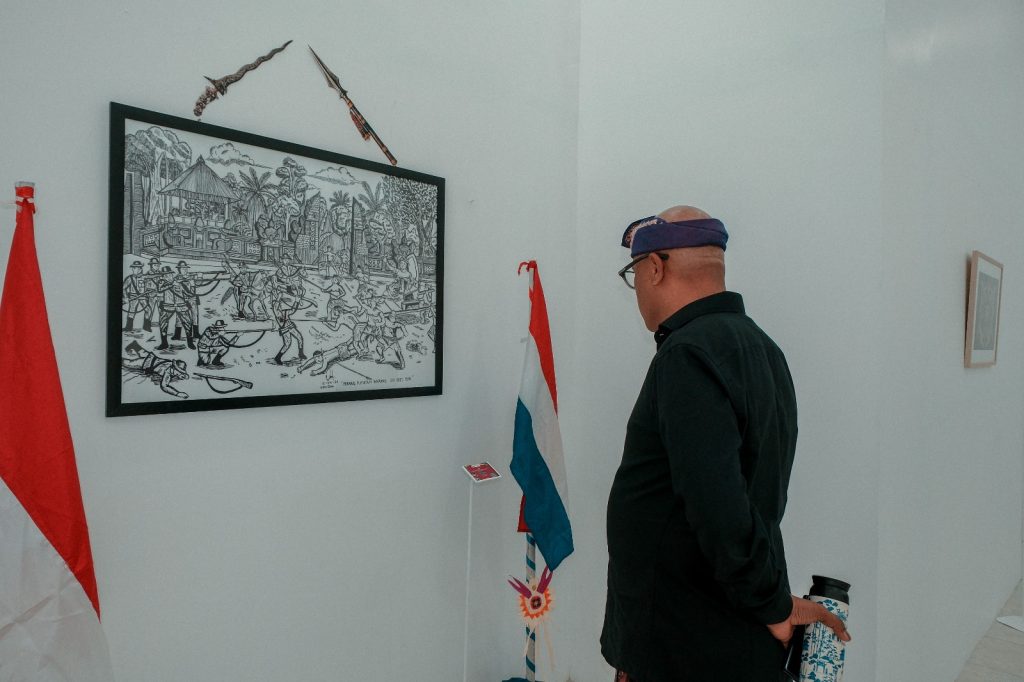
Photo:Campus Week International Exhibition 3.0 at Nata-Citta Art Space, ISI BALI, Thursday (30 July).
Carrying the theme “Adi Karsa Anantari,” the exhibition embodies the concept of a noble aspiration that flows continuously beyond the boundaries of time. According to the curatorial statement prepared by Dewa Ayu Eka Savitri Sastrawan, S.Sn., M.A., and Dr. Bianca Winataputri, the theme serves as a reminder that many of the opportunities and achievements enjoyed by today’s younger generation are the result of the enduring struggles and dedication of previous generations. Through this concept, the Student Executive Board of ISI BALI encourages the public to appreciate the perseverance, commitment, and shared values that have laid the foundation for contemporary society.
The curators further explain that the exhibition emerges from concerns over the overwhelming flow of information in today’s digital era, which often leaves little space for critical reflection and meaningful remembrance. Within this context, art functions as a reflective medium capable of fostering deeper understanding through the power of storytelling, enabling audiences to engage with contemporary issues in a more comprehensive and responsible manner.
Through a carefully curated selection process, the exhibition presents diverse intergenerational narratives responding to contemporary concerns, including tradition, environmental sustainability, women’s empowerment, and technological advancement. The participating artists employ a wide range of media—from digital and print-based works to paintings and installations—to communicate their ideas. Several artworks reinterpret Balinese local narratives, oral histories, mythology, and stories from various parts of the world, while also highlighting that technological innovation, including Artificial Intelligence (AI), continues to require human creativity and artistic sensibility in the process of art-making.
The participation of ISI BALI students alongside artists from six different countries illustrates how art functions as a universal language capable of bringing together diverse cultural backgrounds within a shared space for dialogue. Through the exhibited works, the participants not only express their artistic visions but also offer thoughtful reflections on a range of global challenges confronting contemporary society.
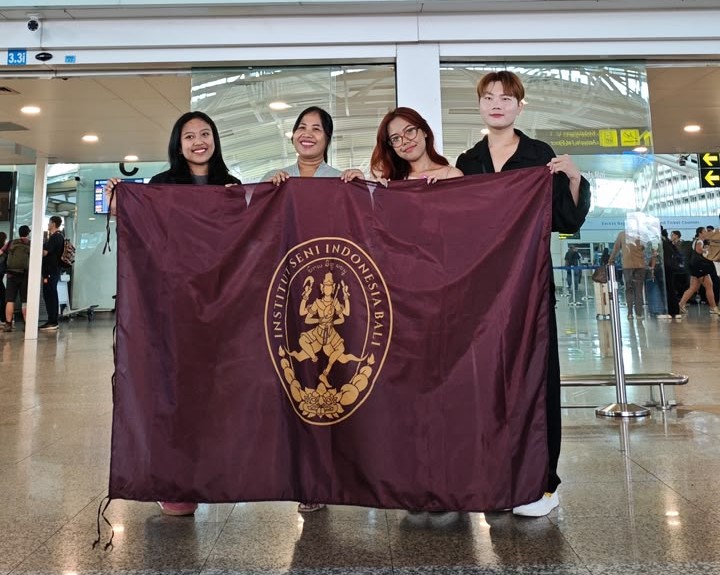
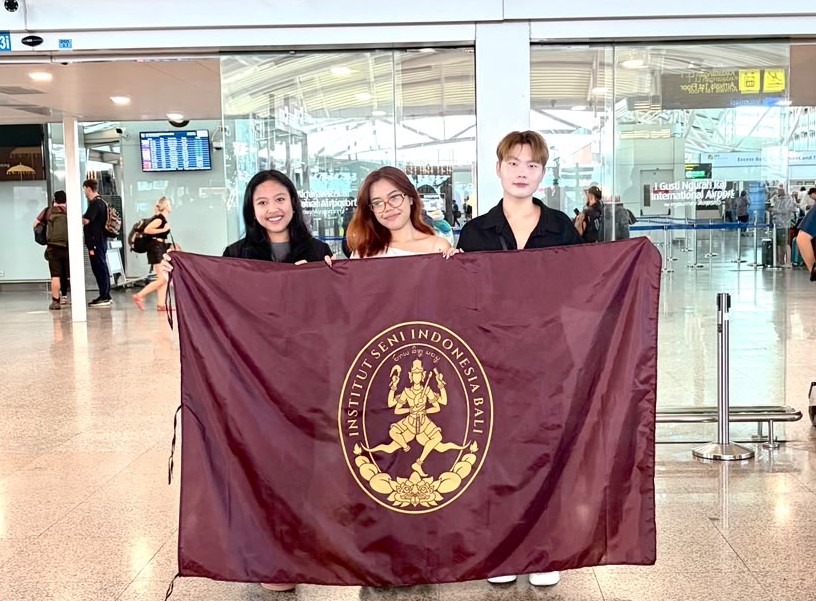
Photo 1: Three ISI Bali students awarded the 2026 Asian International Mobility for Students (AIMS) Scholarship prior to their departure for Thammasat University, Thailand (Thursday, July 30, 2026).
Denpasar, Indonesia – July 30, 2026 – Institut Seni Indonesia Bali (ISI Bali) continues to strengthen its commitment to the internationalization of higher education by expanding opportunities for students to participate in global academic mobility programs. On Thursday, July 30, 2026, three outstanding ISI Bali students officially departed for Thailand to participate in the Asian International Mobility for Students (AIMS) Program at Thammasat University, where they will undertake one semester of academic study while gaining valuable intercultural and international learning experiences.
The three students were selected as recipients of the 2026 AIMS Scholarship after successfully passing ISI Bali’s internal selection process conducted on May 21–22, 2026. Based on the Decree on the Recipients of the 2026 AIMS Scholarship (No. 6173/DST/IT5.3/KM.00.10/2026), issued on May 25, 2026, they achieved the highest evaluation scores and were officially appointed as scholarship awardees. The selected students are Skyrio Chandra from the Music Study Program, Ni Putu Herliana Astika Deavi from the Interior Design Study Program, and Aurel Nathania from the Visual Communication Design Study Program.
Their participation in the AIMS Program reflects ISI Bali’s ongoing commitment to providing students with access to internationally recognized academic opportunities. During their study period at Thammasat University, the students will enroll in courses relevant to their respective disciplines, engage with peers from various countries, and enhance their academic competencies, intercultural communication skills, and global professional networks.
The Asian International Mobility for Students (AIMS) Program is one of Asia’s leading student mobility initiatives, designed to improve the quality of higher education through academic exchanges among partner universities across the region. Beyond strengthening academic knowledge, the program enables participants to promote Indonesian arts, culture, and national identity—particularly the rich cultural heritage of Bali—to the international community while fostering mutual understanding and cross-cultural collaboration.
The Rector of ISI Bali, together with the entire academic community, extends sincere congratulations to the three students on their outstanding achievement. Their participation in the 2026 AIMS Program is expected to inspire other students to pursue academic excellence, strengthen their foreign language proficiency, and actively seek international learning opportunities. As academic ambassadors of ISI Bali, they are also expected to return with new knowledge, international perspectives, and professional networks that will contribute to the advancement of education, arts, and institutional development at ISI Bali.
Photo 2: The three AIMS Scholarship recipients with Dr. Ni Kadek Dwiyani, Head of the International Affairs Center, ISI Bali, before their departure for Thailand (Thursday, July 30, 2026).