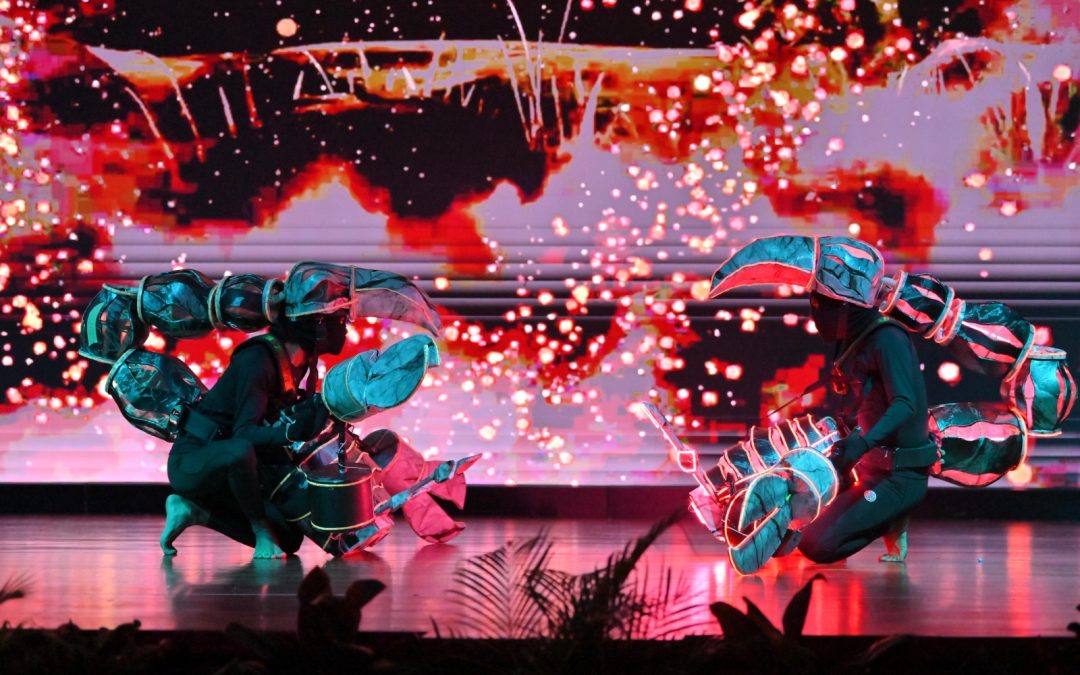
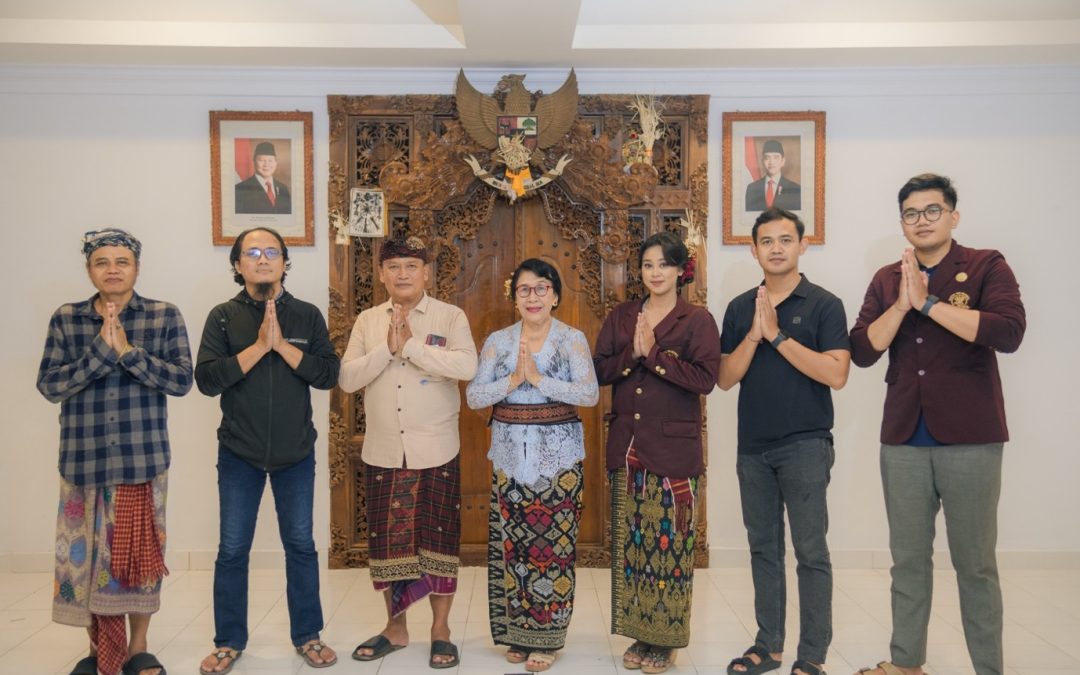
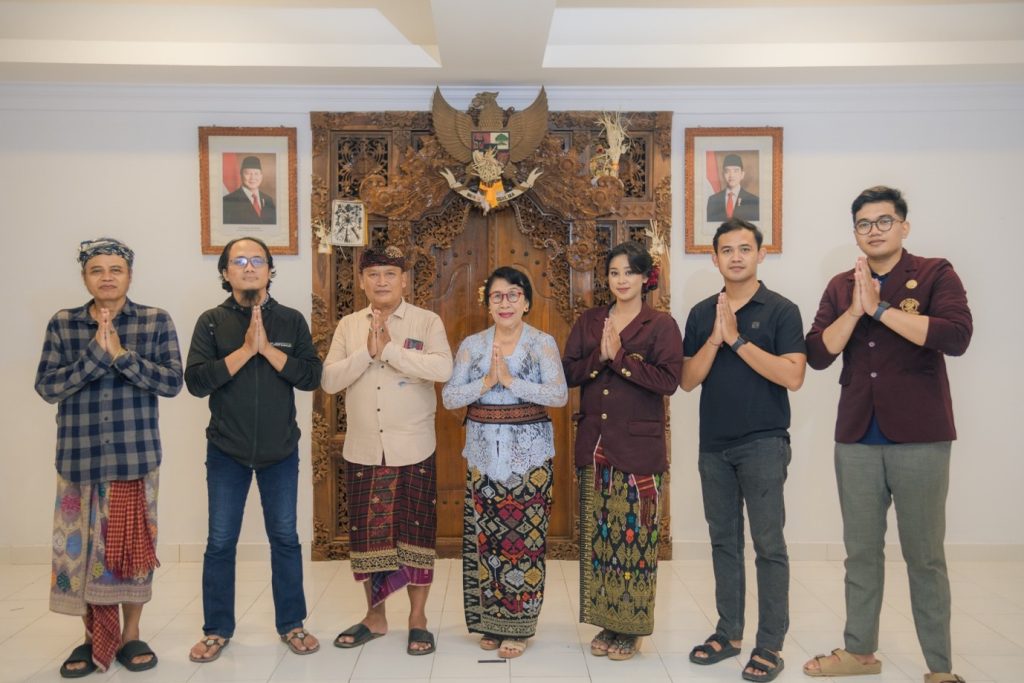
Photo:Bali–Global Axis of Arts and Design (B-GAAD)
An eagerly anticipated event within the Asia-Pacific arts and design innovation ecosystem is the Bali–Global Axis of Arts and Design (B-GAAD). Following two successful editions that received strong appreciation from higher education institutions specializing in arts and design across the Asia-Pacific region, ISI BALI will host B-GAAD III with optimism and a spirit of cross-cultural solidarity.
Under the theme “Roh-Rong-Reh: Soul–Space–Sincerity,” or “Jiwa–Jagat–Junjung,” B-GAAD III will serve as a platform for the exchange of ideas, networking, and strategic communication among higher education institutions specializing in arts and design throughout the Asia-Pacific region.
The event will take place from 27 to 30 October 2026 at the Meraya Citta Campus of ISI BALI, Neka Art Museum, Komaneka Art Gallery, and several cultural venues across Bali.
The 2025 edition, B-GAAD II, involved 11 higher education institutions from various countries, including Malaysia, Kazakhstan, Singapore, Thailand, Australia, Japan, the United States, Bangladesh, and the Republic of Korea.
The event featured several flagship programs, including the Bali–Global Arts and Design Symposium (B-GADS) with 26 international speakers; the Bali–Global Art Map Exhibition (B-GAME), involving 60 influential visual artists; and the Bali–Global Innovative Design Map Exhibition (B-GIDME), featuring 108 designers from Indonesia and other countries.
For its third edition, B-GAAD will expand its collaborative scope through eight flagship programs: B-GAAD’s Leader Summit; Bali–Global Arts and Design Symposium (B-GADS); Bali–Global Performing Arts Map (B-GPAM); Bali–Global Art Map Exhibition (B-GAME); Bali–Global Innovative Design Map Exhibition (B-GIDME); Bali–Global Encounter Figure (B-GEF); Bali–Global Authentic Trip (B-GAT); and Bali–Global Expo and Job Fair (B-GEJF).
The Chair of the B-GAAD III Organizing Committee, Dr. Kadek Dwiyani, stated that several international universities and institutions had confirmed their participation, including Dongduck Women’s University and Sungkyunkwan University from the Republic of Korea; Brigham Young University from the United States; University of Canterbury from New Zealand; the Graduate Institute of Musicology, National Taiwan University from Taiwan; LASALLE College of the Arts from Singapore; as well as Universiti Malaysia Kelantan and the Akademi Seni Budaya dan Warisan Kebangsaan (ASWARA) from Malaysia.
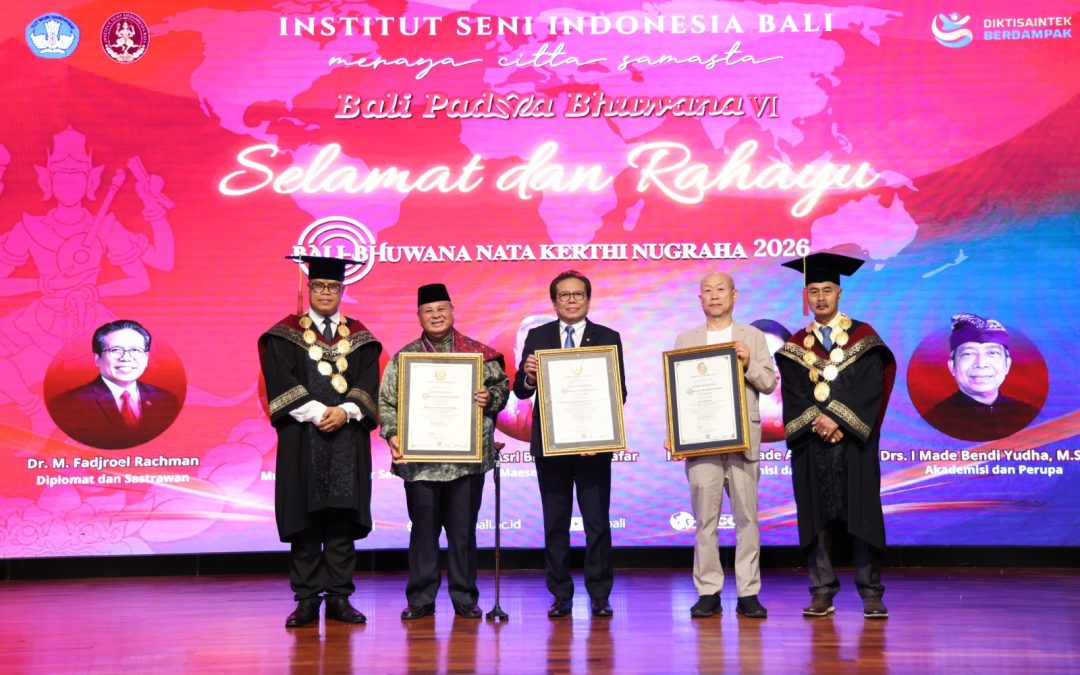
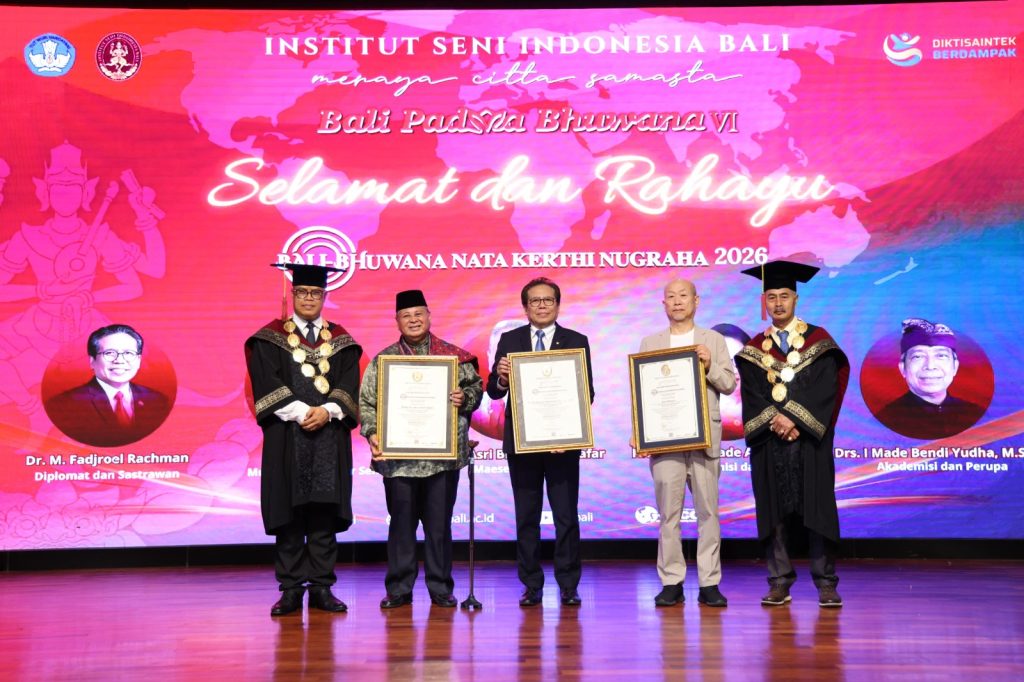
Photo:Bali-Bhuwana Nata Kerthi Nugraha International Award
In recognition of outstanding dedication, achievement, and reputation, the Institut Seni Indonesia Bali (ISI BALI) annually presents national and international awards to distinguished figures who have demonstrated significant contributions to the advancement of arts and culture.
In 2026, under the dynamic spirit symbolized by the “Year of the Fire Horse,” ISI BALI conferred the Bali-Dwipantara Nata Kerthi Nugraha VI National Award and the Bali-Bhuwana Nata Kerthi Nugraha VI International Award.
The national awards were presented as part of the 40th Graduation Ceremony for Bachelor’s, Applied Bachelor’s, Master’s, and Doctoral Programs for the Even Semester, held on Thursday, 27 August 2026. Previously, the international awards were presented as part of the 23rd Dies Natalis celebrations on Friday, 27 February 2026.
The Bali-Dwipantara Nata Kerthi Nugraha National Award was presented this year to five distinguished figures recognized for their dedication, appreciation, and commitment to advancing Balinese arts and culture. The recipients were Jero Gede Duhuran Batur, a prominent figure and patron of Balinese arts and culture; ABG Satria Naradha, a national media figure and advocate of arts and culture; Luh Made Asmariani Budhi, an entrepreneur and art enthusiast; I Nyoman Sudiana, S.Skar., M.Si., a prominent figure in the development of Balinese karawitan; and Wahyu Indira, S.Sn., M.Sn., a lecturer and visual communication design practitioner recognized as a driving force in the field of design.
Previously, during the 23rd Dies Natalis, held in conjunction with the opening of the 6th Bali Padma Bhuwana International Festival on 27 February 2026, ISI BALI presented the Bali-Bhuwana Nata Kerthi Nugraha International Award to five distinguished figures in the arts and culture who were recognized for their substantial contributions to preserving, developing, and promoting Balinese arts and culture on the global stage.
The five recipients were Dr. Mochammad Fadjroel Rachman, S.E., M.H., writer and Ambassador Extraordinary and Plenipotentiary of the Republic of Indonesia to Kazakhstan, concurrently accredited to Tajikistan; Jeon Dongsu, artist and Chairman of the Committee of Artists for World Peace, Republic of Korea; Mohd Asri Bin Abdul Ghafar, performing arts patron from Malaysia; Prof. Dr. Ni Made Arshiniwati, SST., M.Si., Indonesian academic and dance artist; and Drs. I Made Bendi Yudha, M.Sn., Indonesian academic and visual artist.
Both prestigious ISI BALI awards are regulated under Rector Regulation of ISI Denpasar No. 2 of 2022, as amended, most recently through Rector Regulation of ISI Denpasar No. 1 of 2024, concerning the Third Amendment to Rector Regulation of ISI Denpasar No. 2 of 2022 on Awards of the Institut Seni Indonesia Denpasar.
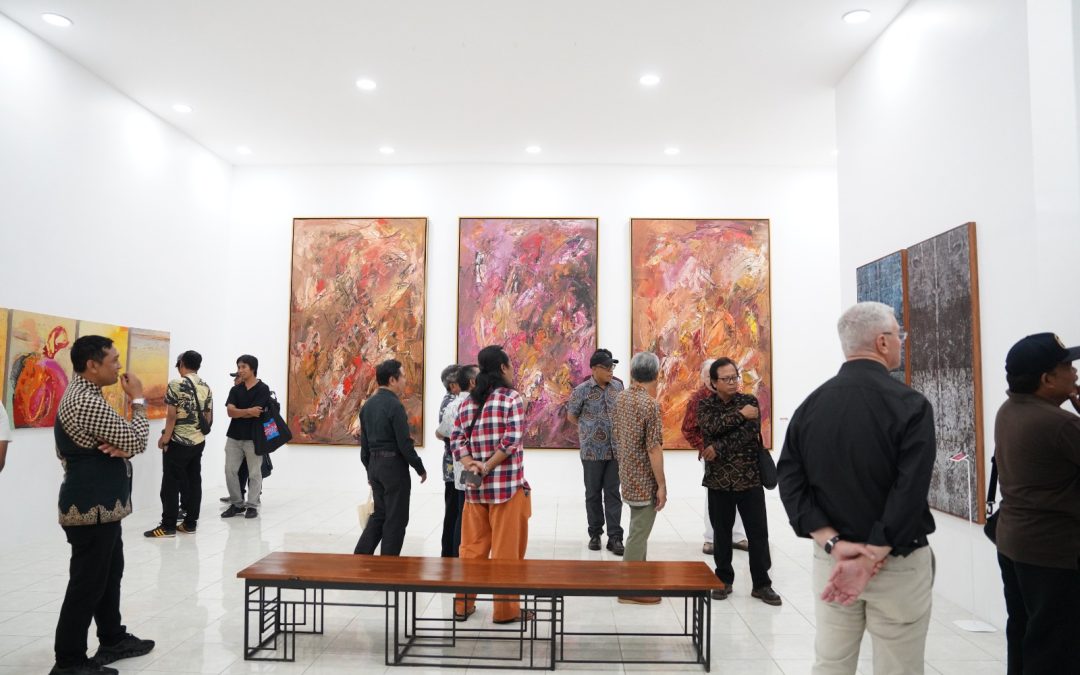
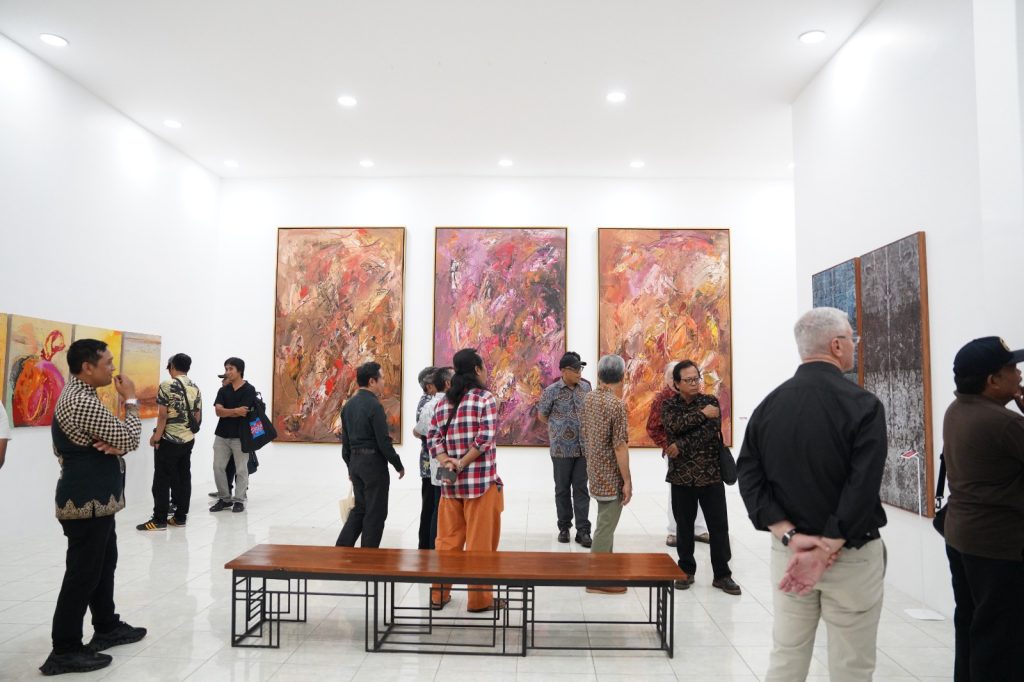
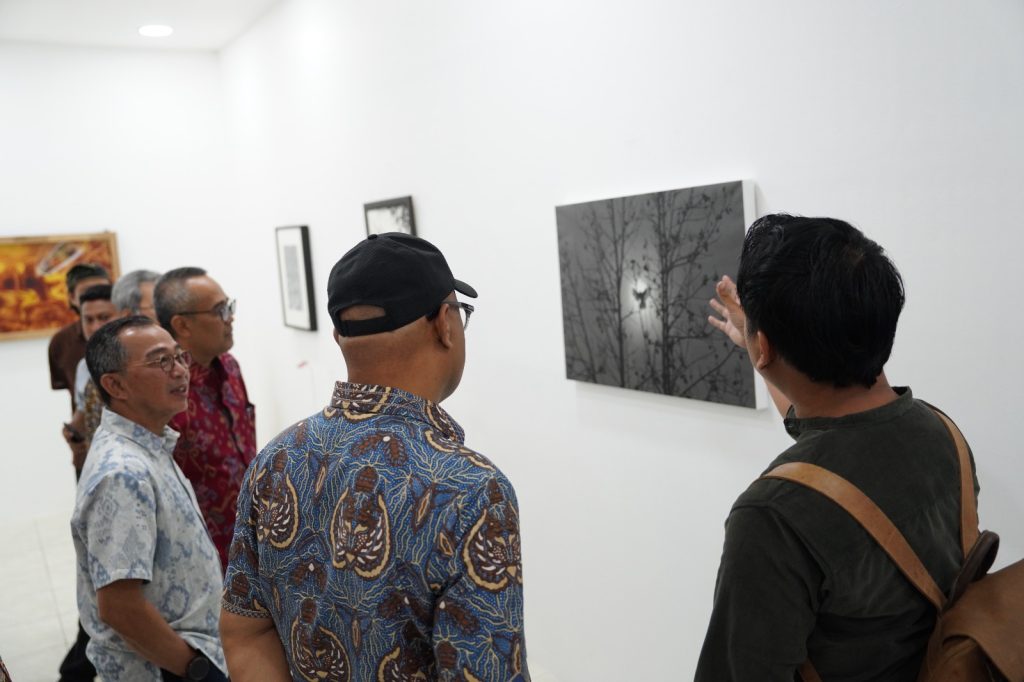
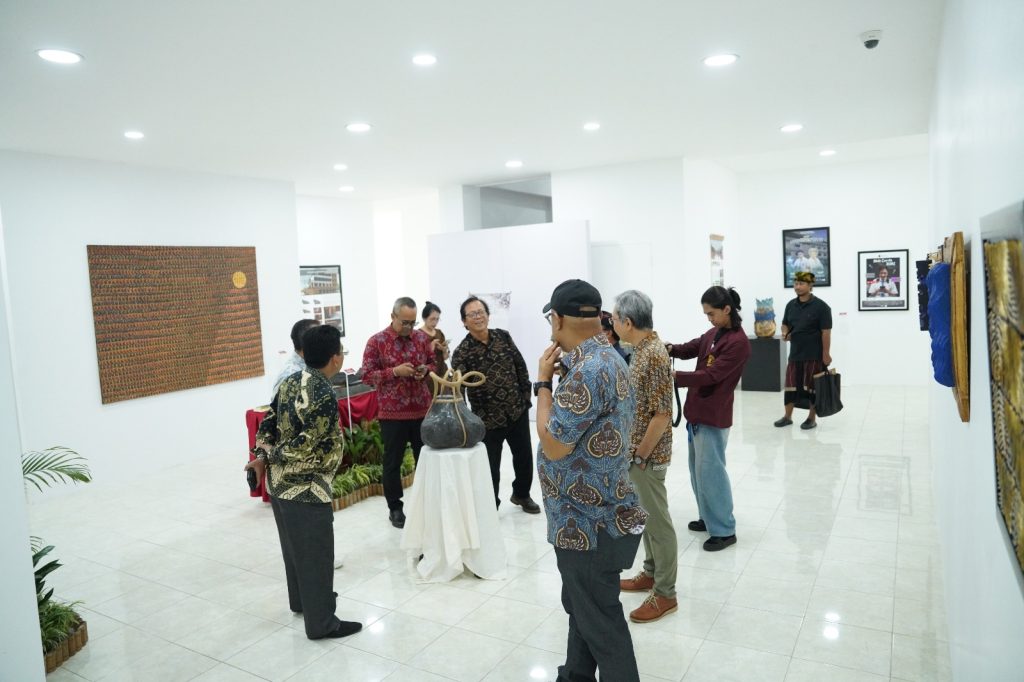
Photo:Bali–Dwipantara Adirupa VI Exhibition, themed “Rupa Jnana Rasmi: The Magnificent Radiance of the Charisma of Knowledge,” Wednesday, 26 August 2026, at Nata-Citta Art Space, ISI Bali.
The Institut Seni Indonesia Bali (ISI Bali) has once again provided a platform for artists and designers to engage in creative exchange through the Bali–Dwipantara Adirupa VI Exhibition, themed “Rupa Jnana Rasmi: Pendar Mahaindah Karisma Pengetahuan” (“The Magnificent Radiance of the Charisma of Knowledge”). As part of the Bali Sangga Dwipantara VI program series, the exhibition was officially opened on Wednesday, 26 August 2026, at Nata-Citta Art Space, ISI Bali, and will remain open until 25 September 2026.
The exhibition was officially opened by Ida Bagus Sidharta Putra, a patron and art enthusiast, and was attended by Rector of ISI Bali, Prof. Dr. Wayan ‘Kun’ Adnyana, artists and designers, members of the academic community, art observers, and other invited guests. The exhibition forms part of ISI Bali’s ongoing efforts to strengthen the arts ecosystem by bringing together artistic practice, knowledge, creativity, and public appreciation.
With the theme “Rupa Jnana Rasmi,” interpreted as “The Magnificent Radiance of the Charisma of Knowledge,” the exhibition explores the relationship between visual form and knowledge through a diverse range of visual artworks. Visual form is not positioned merely as an aesthetic expression but also as a medium through which artists reflect upon experiences, ideas, traditions, technological developments, and various issues emerging in everyday life.
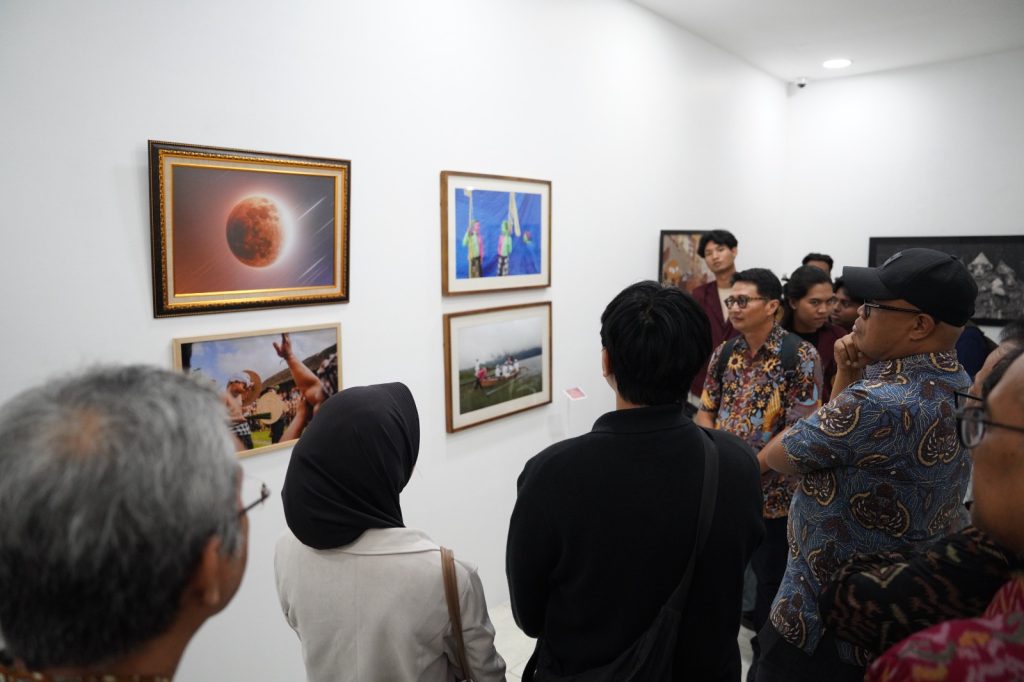
Photo:Bali–Dwipantara Adirupa VI Exhibition, themed “Rupa Jnana Rasmi: The Magnificent Radiance of the Charisma of Knowledge,” Wednesday, 26 August 2026, at Nata-Citta Art Space, ISI Bali.
The exhibition is curated by Arif B. Prasetyo, Warih Witsastana, and Ni Wayan Idayati, who have brought together works demonstrating diverse perspectives and artistic approaches. In his curatorial remarks, Arif B. Prasetyo stated that this year’s Bali–Dwipantara Adirupa VI Exhibition features 147 artists and designers presenting 117 artworks.
According to Arif, the exhibited works originate from diverse creative backgrounds and approaches to the treatment of artistic media. This diversity reflects both the personal and collective experiences of the artists, as well as their encounters with tradition, technology, and the dynamics of everyday life. The exhibition therefore provides a space for examining how knowledge and experience can be translated into diverse visual languages.
Rector of ISI Bali, Prof. Dr. Wayan ‘Kun’ Adnyana, emphasized the importance of exhibition spaces as platforms for artistic appreciation. According to him, appreciation is fundamentally rooted in the spirit of friendship or brotherhood, which subsequently develops through the exchange of ideas and perspectives.
“An exhibition space is a platform for appreciation. At its foundation is friendship, or brotherhood. Friendship intertwined with ideas allows everything to move and remain alive,” said Prof. Kun.
He further explained that an exhibition space serves not merely as a venue for displaying artworks but also as a meeting point where artists, academics, communities, and various stakeholders in the arts can exchange ideas. Through such encounters, the arts are expected to continue growing, evolving, and generating broader impacts on society.
Meanwhile, Ida Bagus Sidharta Putra expressed his appreciation for ISI Bali’s consistent efforts to provide artistic spaces while contributing to the preservation and promotion of Balinese arts and culture. According to him, arts education institutions occupy a strategic position in safeguarding the sustainability of Bali’s rich artistic and cultural heritage amid ongoing social and technological developments.
The Bali–Dwipantara Adirupa VI Exhibition represents one of ISI Bali’s efforts to strengthen the arts ecosystem through an encounter between artistic creation, knowledge, and appreciation. By involving hundreds of artists and designers and presenting works originating from diverse creative backgrounds, the exhibition is expected to foster broader dialogue concerning the development of visual arts while further strengthening Bali’s position as an important space for artistic growth, exchange, and encounter.
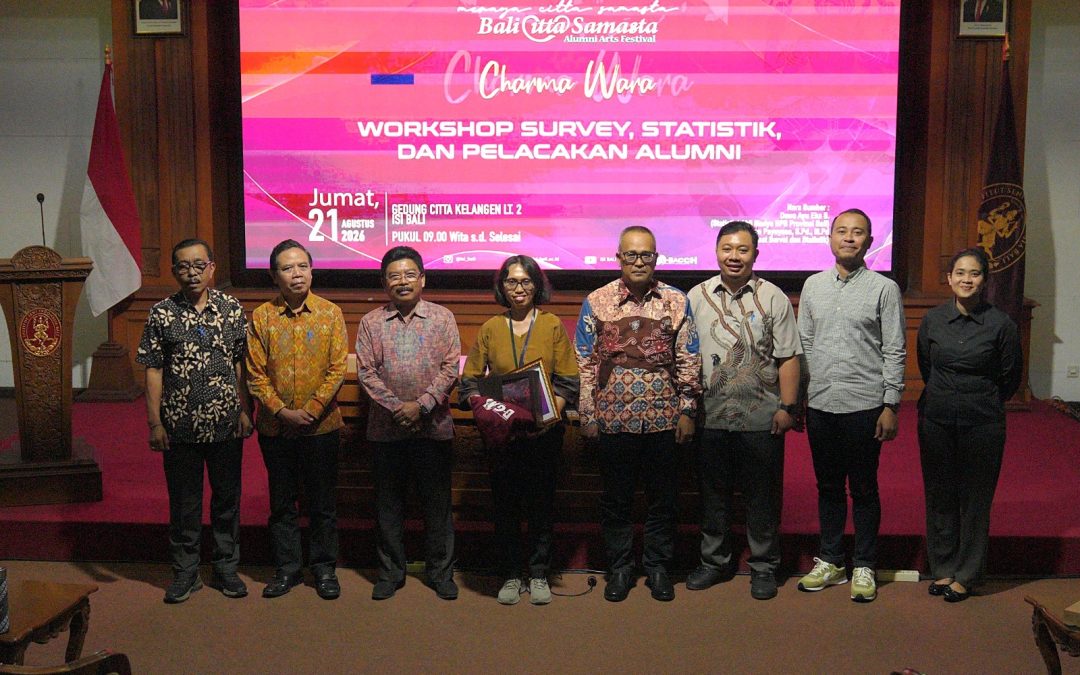
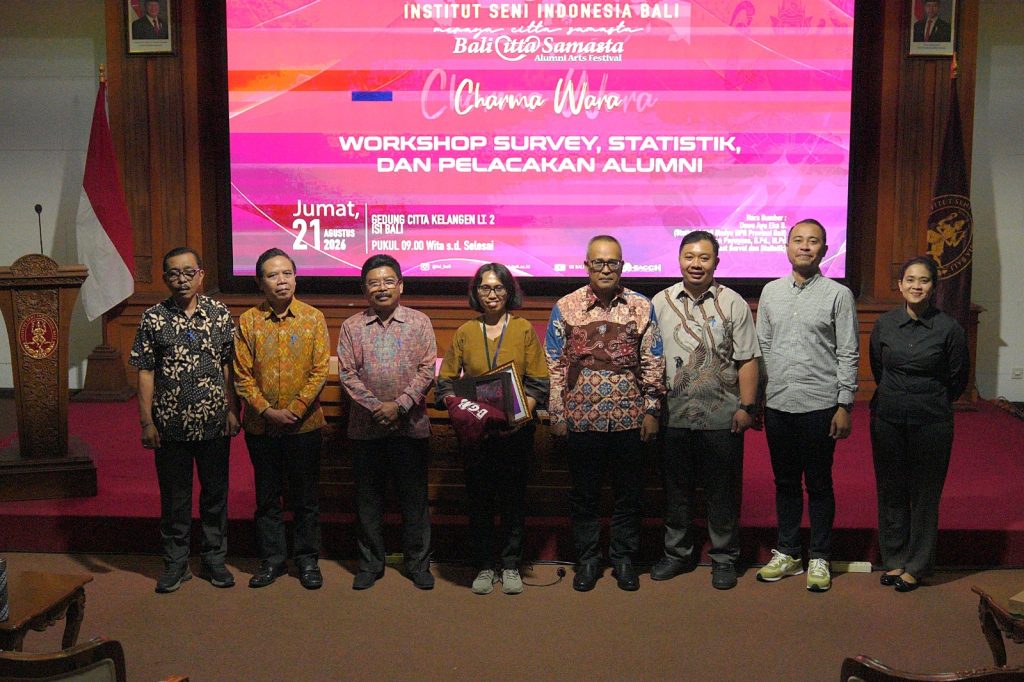
Photo: Workshop on Alumni Survey, Statistics, and Tracer Study at the Vicon Room, ISI Bali, Friday, 21 August 2026.
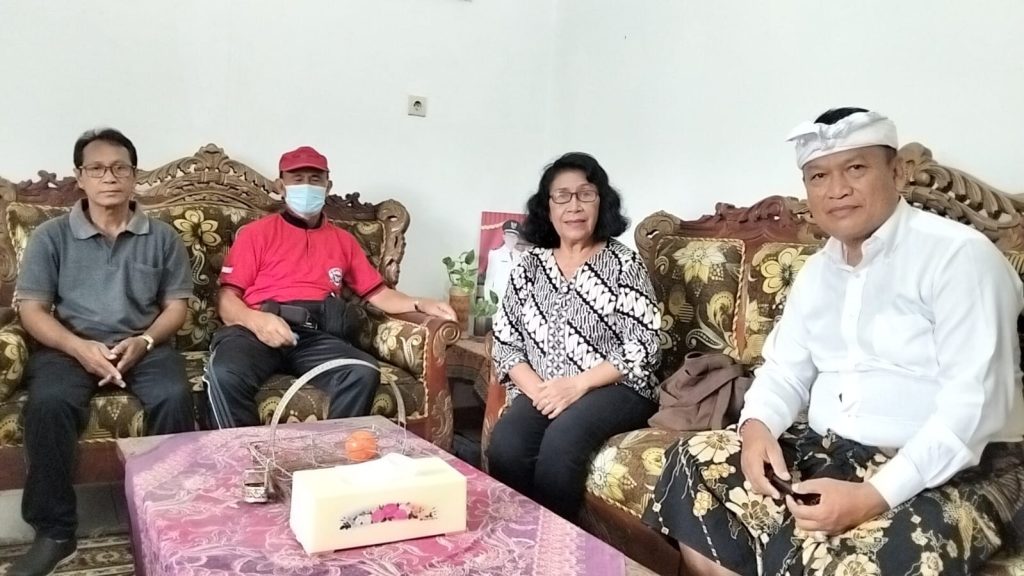
The Institut Seni Indonesia Bali (ISI Bali) organized a Workshop on Alumni Survey, Statistics, and Tracer Study as part of the 2026 Bali Citta Samasta Program (Alumni Arts Festival). The workshop was held at the Vicon Room of ISI Bali on Friday, 21 August 2026, and was attended by members of the university leadership, study program coordinators, and the survey team.
The workshop was opened by the Vice Rector for Academic Affairs and Information Systems of ISI Bali, Prof. Dr. AA Gde Bagus Udayana. The event featured Dewa Ayu Eka Sumarningsih, SST, SAB, M.Stat., Associate Expert Statistician at the Bali Provincial Statistics Indonesia (BPS) Office, together with I Nyoman Payu Yasa, S.Pd., M.Pd., Head of the Center for Survey and Statistics at ISI Bali, and I Gede Indra Suwija Putra, S.H., Head of the General Affairs Division of LPMPP ISI Bali, as resource persons.
In his report, the Head of the Institute for Quality Assurance and Learning Development (LPMPP) of ISI Bali, Prof. Dr. I Wayan Setem, explained that Bali Citta Samasta represents one of the initiatives through which ISI Bali implements its institutional mission under the Astha Mahacitta Bali framework. Its implementation refers to Article 4 of Minister of Higher Education, Science, and Technology Regulation No. 50 of 2025 concerning the Statutes of the Institut Seni Indonesia Bali, as well as regulations governing alumni tracking or tracer studies within ISI Bali.
According to Prof. Setem, Bali Citta Samasta is designed as a platform for interaction and collaboration between ISI Bali and its alumni. Through this program, the university seeks not only to establish and strengthen networks with its graduates but also to enhance its alumni data collection and tracking system as an important component in measuring higher education outcomes.
“The implementation of Bali Citta Samasta aims to provide a platform for interaction and collaboration between ISI Bali and its alumni, ultimately contributing to the achievement of Key Performance Indicator (IKU) 2,” said Prof. I Wayan Setem.
IKU 2 relates to the percentage of higher education graduates who, within one year after graduation, are employed, become entrepreneurs, or continue their studies, including graduates who were already employed or engaged in entrepreneurial activities before completing their education. Accordingly, accurate alumni data and the effective implementation of tracer studies are essential to ensuring that the achievement of this indicator can be measured properly.
Furthermore, Bali Citta Samasta is expected to contribute to the preparation of the Higher Education Social, Economic, and Environmental Impact Indicator Fulfillment Report within the framework of the Ministry of Higher Education, Science, and Technology. Such contributions include social impacts generated through inclusive and affirmative education, as well as economic impacts associated with the economic contributions of students and members of the public who attend or visit higher education institutions and participate in university-organized activities.
In addition, the program is intended to strengthen the university’s entrepreneurial ecosystem, including spin-offs and start-ups that receive support or facilitation from higher education institutions. Alumni engagement is therefore expected to extend beyond post-graduation relationships and develop into a broader network that generates meaningful impacts for the institution, alumni, society, and the economy.
In his remarks, Prof. Dr. AA Gde Bagus Udayana emphasized the importance of accurate data management as a foundation for academic policymaking and institutional development. He expressed his hope that the workshop would enhance the capacity of survey teams and study programs to systematically collect, process, analyze, and utilize alumni data.
He also encouraged the university to ensure that alumni tracking is not viewed merely as an administrative obligation for fulfilling performance indicators, but rather as a strategic institutional instrument for assessing the relevance of academic programs to labor-market needs, monitoring graduates’ career development, and understanding the contributions of alumni to society.
Through this workshop, ISI Bali is expected to further develop an integrated, accurate, and sustainable alumni survey and tracer study system. The resulting data will serve as an important foundation for improving the quality of learning, strengthening engagement with alumni, and reinforcing ISI Bali’s position as an impact-oriented university that delivers tangible benefits to society.
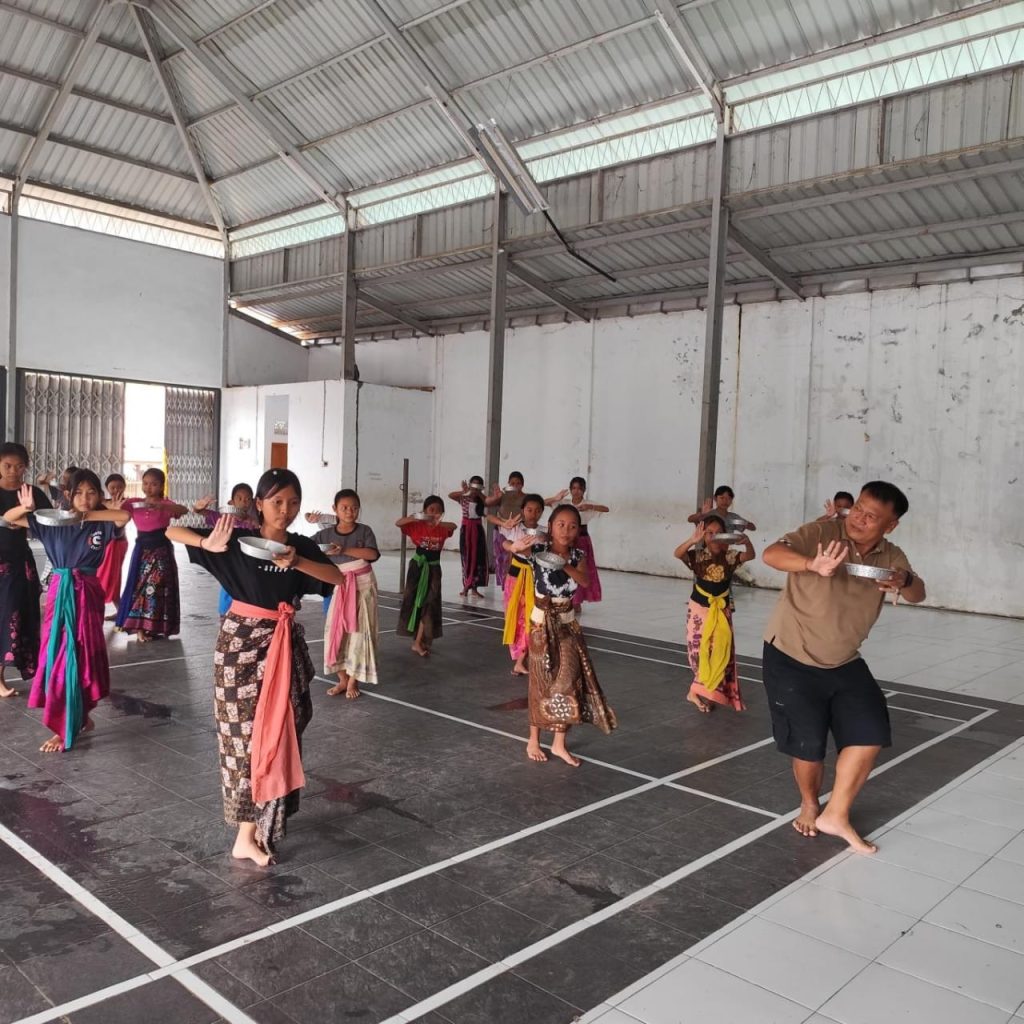
Buleleng, Bali — Efforts to sustain traditional arts amid rapid social change and technological development continue to evolve through various innovative approaches. One such initiative is implemented through the Nusantara Arts Innovation Program (Program Inovasi Seni Nusantara/PISN), which focuses on revitalizing the Rejang Keraman Dance in Kedis Village, Busungbiu District, Buleleng Regency, Bali.
The program is not only aimed at preserving the form and ritual functions of the Rejang Keraman Dance as inherited from previous generations, but also at sustaining the cultural knowledge system so that it remains alive, understood, and transmitted to future generations.
The Rejang Keraman Dance is a sacred traditional dance that holds an important position in the social and religious life of the Kedis Village community. The dance is performed as part of traditional religious ceremonies and is distinctive in that it involves both women and men on an equal basis. This participation reflects values of togetherness, mutual cooperation, and equality of roles embedded in the local community.
However, the continuity of the Rejang Keraman Dance faces challenges arising from changing patterns of community life and technological development. To date, the transmission of the dance has relied largely on oral instruction and direct practice from senior practitioners to younger generations. While this approach remains valuable because it facilitates the direct transfer of embodied experience, it also faces challenges as younger generations become increasingly familiar with visual, audiovisual, and digitally mediated learning methods.
These conditions have become a major concern in the implementation of the PISN program. Limited systematic learning resources may create challenges in the regeneration process, including simplification of movement structures, insufficient understanding of floor patterns, and declining comprehension of the symbolic meanings embedded in the Rejang Keraman Dance.
Consequently, the preservation of traditional arts cannot rely solely on a conservative approach that maintains existing forms. Instead, preservation needs to be developed as an adaptive process that enables cultural knowledge to remain alive amid changing times.
Bridging Tradition and Technology
Through the PISN program, the community engagement team has developed a learning approach that integrates traditional artistic practices with audiovisual media. The instructional videos are designed not merely as documentation of performances, but as knowledge-transfer media that can be utilized in the teaching and practice of the Rejang Keraman Dance.
The media are developed to assist participants in understanding movement structures, floor patterns, as well as the cultural context and symbolic meanings of the dance in a more systematic manner. Step-by-step visualization of the movements is expected to facilitate young people’s learning while helping preserve the accuracy of the movements inherited from previous generations.
Through this approach, technology is not positioned as a replacement for traditional practice but as a supporting instrument to strengthen the process of cultural transmission. Knowledge that was previously conveyed primarily through oral instruction and direct practice can now be reinforced through audiovisual documentation that can be reviewed repeatedly.
This approach also creates a more adaptive environment for arts education. Young people can continue learning directly from senior dancers and cultural practitioners while having supplementary learning materials that allow them to review the material independently outside collective rehearsal sessions.
Building on the Potential of the Kedis Village Community
The program involves the Kencana Jaya Paksi Art Group (Kelompok Seni Kencana Jaya Paksi) as its community partner. The group plays an important role in the artistic and cultural activities of the Kedis Village community and is directly involved in the practice of the Rejang Keraman Dance.
The human resources available within the partner organization constitute a major asset in implementing the program. Local artists and senior dancers possess empirical knowledge concerning movement forms, performance procedures, and the cultural context of the Rejang Keraman Dance. This knowledge serves as a primary source for the documentation process and development of learning materials.
At the same time, the partner community has identified the need for more structured learning methods, movement documentation that can serve as a reference, and learning resources that can be utilized sustainably.
The convergence of these potentials and needs provides the foundation for a collaborative program. The community engagement team does not simply introduce technology to the community; it also learns from the local knowledge possessed by traditional practitioners.
In this way, the revitalization process does not diminish the community’s authority as the custodian and practitioner of its cultural heritage. Instead, the community is positioned as an essential participant in the production of knowledge, documentation, learning, and the long-term sustainability of the Rejang Keraman Dance.
Implemented in Stages from May to August
The PISN program was implemented through several stages from May to August 2026. The initial stage in May focused on internal coordination among the implementation team, program socialization with partners and stakeholders, identification of needs and mapping of partner challenges, as well as preparation of Rejang Keraman Dance training materials.
These activities provided an important foundation before the program entered the training and media-production stages. The needs assessment was conducted to ensure that the innovations developed were genuinely aligned with community conditions and partner requirements.
From June to August, the program continued with Phase I and Phase II Rejang Keraman Dance training, movement recording and documentation, development and production of interactive learning media, and testing of the learning media during training activities.
The recording process considered not only visual aesthetics but also the systematic documentation of dance movements so that the materials could function as learning resources. The resulting documentation was subsequently processed into learning media that were more communicative and accessible for training activities.
The media were tested together with the community partner during actual rehearsal sessions. This stage was important for obtaining practical feedback on the extent to which the media supported the learning process and how they could be further adapted to participants’ needs.
From Cultural Preservation to the Sustainability of Cultural Knowledge
The revitalization of the Rejang Keraman Dance demonstrates that the preservation of traditional arts in the digital era does not require tradition and technology to be viewed as opposing forces. Instead, the two can be integrated through strategies that continue to respect the values, meanings, ritual functions, and local knowledge embedded within an artistic tradition.
The instructional videos developed through this program are expected to serve as instruments for strengthening dancer regeneration and maintaining the continuity of knowledge associated with the Rejang Keraman Dance. Furthermore, these materials may become part of the cultural documentation system of the Kedis Village community, providing resources that can be utilized by both present and future generations.
This initiative is also relevant to the development of Indonesia’s human resources. The development of technology-based learning media for traditional arts is not solely concerned with cultural preservation; it also encourages communities to adapt to technological developments without losing their cultural roots.
The program is aligned with the spirit of Asta Cita toward Golden Indonesia 2045, particularly the agenda of strengthening human resources through education, science, technology, and achievement. At the same time, innovative learning for traditional arts is relevant to the Sustainable Development Goals (SDGs), particularly SDG 4 on Quality Education, through the development of more innovative and contextual learning opportunities, and SDG 10 on Reduced Inequalities, through the use of technology to strengthen community knowledge capacity in rural areas.
Appreciation for Government Support and the Community Engagement Team
The revitalization of the Rejang Keraman Dance has been supported by the Ministry of Higher Education, Science, and Technology through BIMA under the Nusantara Arts Innovation Program (PISN). This support provides higher education institutions with opportunities not only to fulfill their educational and research functions but also to engage directly with communities through the development and application of artistic innovations rooted in local needs.
The community engagement team extends its deepest appreciation and gratitude to the Ministry of Higher Education, Science, and Technology through BIMA for its support of the Nusantara Arts Innovation Program (PISN). Through this program, the team has been able to contribute directly to sustaining traditional arts while providing tangible benefits to the community through technology-based innovations in arts education.
The team also expresses its appreciation to the Kedis Village community, local artists, traditional village stakeholders, and the Kencana Jaya Paksi Art Group for their active participation throughout the program.
The program was implemented by a community engagement team consisting of Prof. Dr. Ni Luh Sustiawati as Team Leader, Dr. I Nyoman Larry Julianto as a team member, and Dr. I Gusti Putu Sudarta as a team member. Collaboration among higher education institutions, government, and communities is an important component in ensuring that the innovations developed do not remain limited to a single program but generate sustainable benefits.
Keeping Tradition Alive
Ultimately, the revitalization of the Rejang Keraman Dance is not merely about documenting a traditional dance. More fundamentally, it represents an effort to preserve the knowledge, values, identity, and cultural practices of the community so that they remain alive amid changing times.
Tradition does not have to remain confined to the past. With appropriate strategies, technology can serve as a bridge connecting the experiences of previous generations with the learning approaches of today’s younger generation.
Through digital learning innovation, the Rejang Keraman Dance is expected not only to continue its presence within the ritual life of the Kedis Village community but also to remain understood, learned, practiced, and transmitted to future generations.
Thus, the preservation of traditional arts is not simply about maintaining what once existed; it is about ensuring that cultural knowledge continues to possess life, function, and meaning for communities in the present and the future.
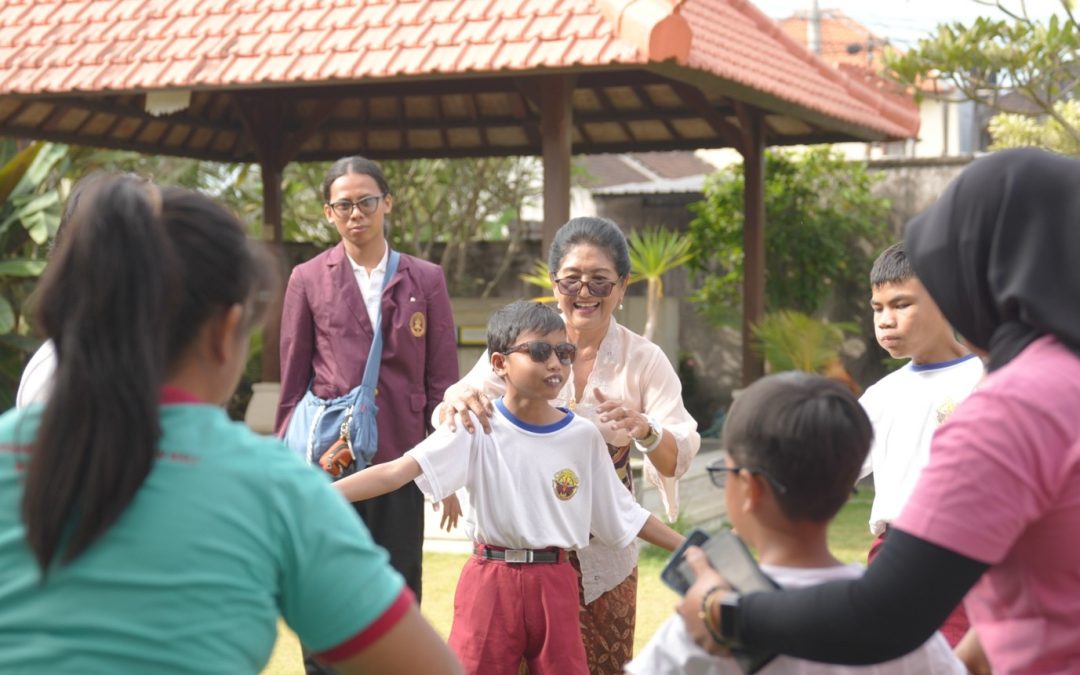
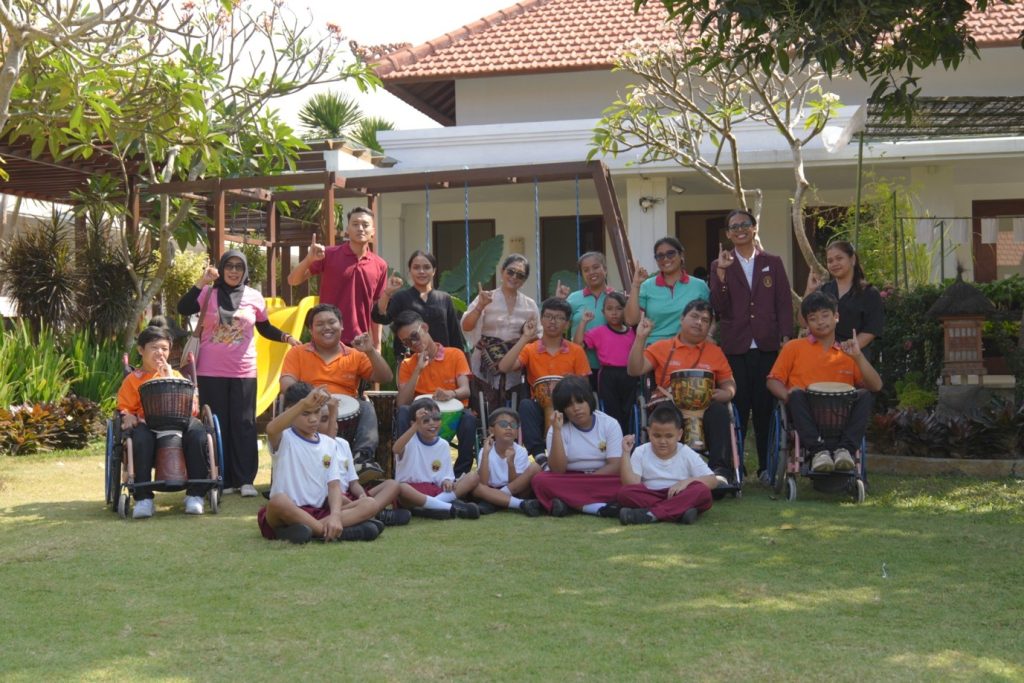
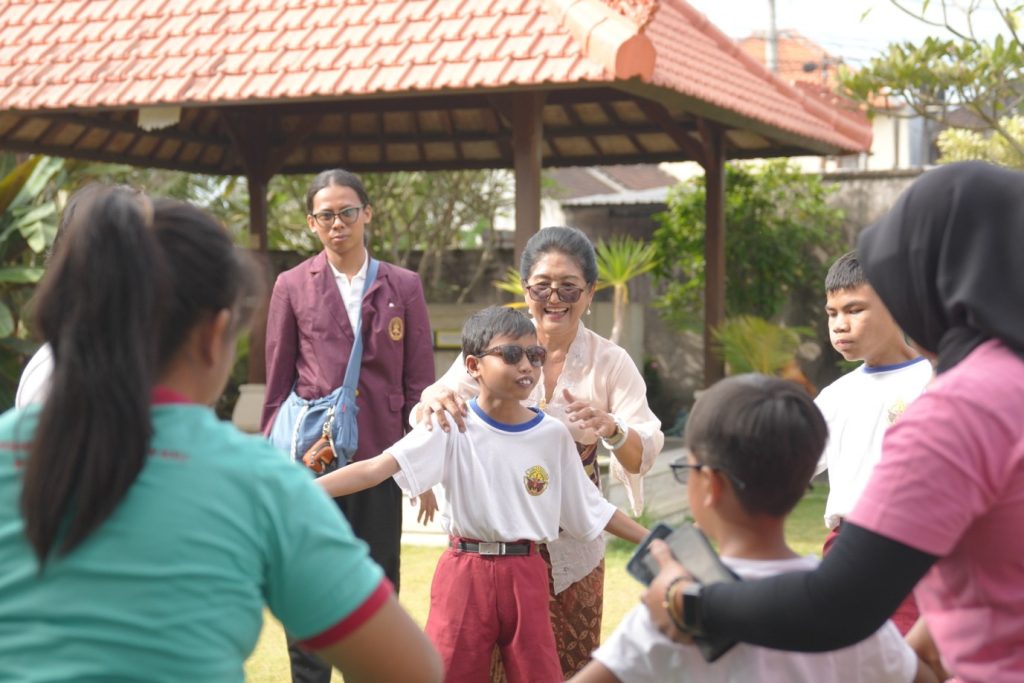
DENPASAR – Traditional Balinese games are not merely part of the region’s cultural heritage; they also hold significant potential as sources of arts education involving the body, sound, rhythm, touch, and social interaction. This potential is being developed through the program “Ngenkebang Batu: The Creation of an Intermedia Dance Based on Traditional Balinese Games as a Medium for Enhancing Sensory Awareness and Cultural Consciousness among People with Visual Impairments.”
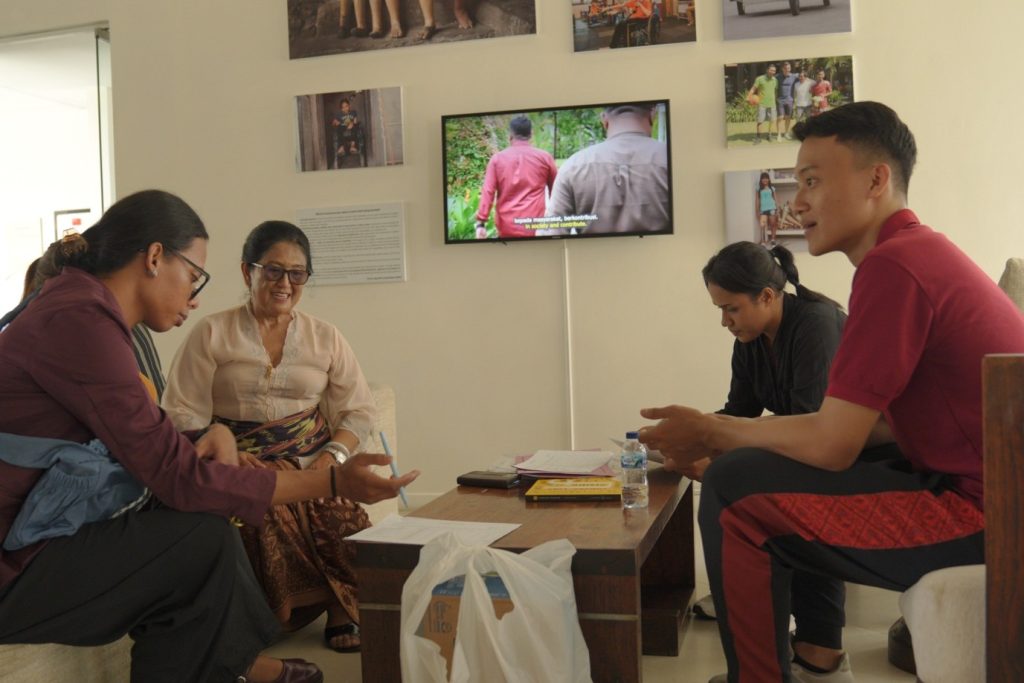
The community engagement program, implemented in Penatih Dangin Puri Village, East Denpasar District, Denpasar City, introduces a more inclusive approach to dance by positioning people with visual impairments as active participants in the creative process and artistic experience. The program is conducted in collaboration with Kukuruyuk Art Studio (Sanggar Seni Kukuruyuk), an arts organization actively engaged in the development of traditional games and Balinese cultural activities. Through this collaboration, the traditional Balinese game ngenkebang batu is developed as a source of inspiration for an intermedia dance work that emphasizes non-visual experiences.
Unlike conventional dance education, which generally relies heavily on the visual observation of movement, the Ngenkebang Batu program develops artistic experiences through sound, touch, rhythm, bodily movement, spatial awareness, and interaction among participants. This approach creates opportunities for people with visual impairments not only to appreciate the arts but also to participate directly in the creative process.
Traditional games were selected because of their close relationship with the social life of the community. Such games involve physical movement, rhythmic responses, auditory cues, spatial awareness, communication, and interaction with others. These elements are subsequently translated into the process of creating intermedia dance.
“Through Ngenkebang Batu, we seek to demonstrate that dance does not necessarily have to originate from visual experience. The body, sound, touch, rhythm, and space can also serve as sources of knowledge and artistic experience,” the program team explained.
Connecting Tradition and Inclusive Art
The program emerged from concerns regarding the limited opportunities for people with visual impairments to participate in dance practices. Dance education and appreciation have traditionally relied on visual approaches, creating a need for methods that are more responsive to non-visual sensory experiences.
This condition highlights the importance of developing artistic practices that are not solely oriented toward preserving traditional forms but can also expand the role of art as a space for equitable social participation. Through traditional Balinese games, the program seeks to bring together two important objectives: cultural preservation and the development of inclusive artistic practices.
The ngenkebang batu game is therefore not treated merely as a cultural artifact that must be preserved, but as a source of creative ideas that can be transformed into new artistic experiences. In this way, values embedded in the game—including togetherness, environmental awareness, bodily coordination, rhythm, and social interaction—can be reinterpreted in forms that remain relevant to contemporary community needs.
The Art Studio as a Space for Exploration
The selection of Penatih Dangin Puri Village as the program site was based on several considerations. The area maintains strong connections with the social and cultural activities of Balinese communities. The presence of banjar communities, residential environments, communal activities, and various artistic and cultural practices means that the art studio does not function as an isolated artistic space but remains closely connected to the community.
Within the program, Kukuruyuk Art Studio serves as the primary partner and venue for various activities. The studio’s experience in developing traditional games provides an important foundation for the artistic creation process.
The program began in May 2026 with coordination and program alignment with the partner, accompanied by an introduction to the concepts of inclusive art and traditional games.
From June to August 2026, the activities progressed through several stages, including intermedia dance choreography training, sensory support and spatial arrangement training, digital documentation and publication training, collaborative dance creation, and the development of a sensory-responsive studio environment. These activities were designed to ensure that the creative process would not merely produce a dance work but also foster new skills and experiences among participants and partners.
Promoting Equitable Cultural Participation
Through this approach, Ngenkebang Batu aims to develop a model of intermedia dance creation capable of enhancing sensory awareness and cultural consciousness among people with visual impairments.
Participants are not positioned merely as passive beneficiaries but as integral contributors to the creative process. They are provided with opportunities to explore movement, sound, rhythm, space, and interaction, allowing artistic experiences to be developed according to their individual bodily abilities and experiences.
The program also seeks to broaden the meaning of cultural preservation. Culture is preserved not only by maintaining traditional forms but also by ensuring that diverse groups within society have opportunities to learn about, experience, and participate in cultural practices.
This approach is aligned with the spirit of the Sustainable Development Goals (SDGs), particularly SDG 4 on quality and inclusive education and SDG 10 on reducing inequalities. The program also supports Asta Cita, Point 4, particularly in strengthening human resources through inclusive and equitable education.
Supported by BIMA of the Ministry of Higher Education, Science, and Technology through PISN
The implementation of Ngenkebang Batu has been supported by BIMA of the Ministry of Higher Education, Science, and Technology (Kemendiktisaintek) through the Nusantara Arts Innovation Program (PISN). This support has played an important role in facilitating the development of the program, from partner coordination, training, and artistic exploration to the creation of the artistic work and the development of a studio environment that is more responsive to participants’ sensory needs.
The implementation team consists of Prof. Dr. Ida Ayu Trisnawati, SST., M.Si., as Principal Investigator, with Dr. I Gusti Putu Sudarta, SSP., M.Sn., and Ida Bagus Ketut Trinawindu, S.Sn., M.Erg., as team members. The team expressed its appreciation and gratitude to BIMA of the Ministry of Higher Education, Science, and Technology through the Nusantara Arts Innovation Program (PISN) for its support, which enabled the Ngenkebang Batu program to be implemented successfully.
“We would like to express our gratitude to BIMA of the Ministry of Higher Education, Science, and Technology through the Nusantara Arts Innovation Program (PISN) for its support of this program. This support has been invaluable in facilitating the creative process, training activities, and development of inclusive arts practices rooted in Balinese local culture.”
The Ngenkebang Batu program is expected to extend beyond a single community engagement initiative and serve as an initial step toward developing inclusive artistic practices rooted in local cultural heritage. Through the integration of traditional games, intermedia dance, and a multisensory approach, the program demonstrates that cultural heritage can remain dynamic and relevant by creating broader opportunities for participation across society, including people with visual impairments.