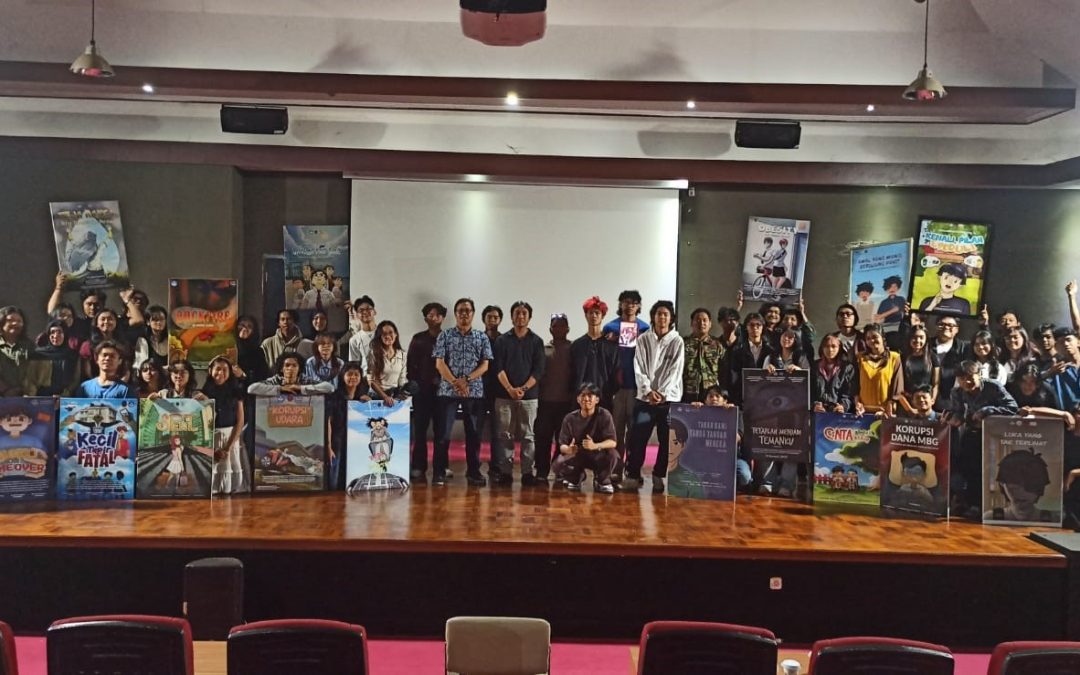
Denpasar, Bali – An atmosphere of enthusiasm filled the screening room as students of the Visual Communication Design (VCD) Study Program at the Indonesian Institute of the Arts (ISI) Bali presented their latest animated video works. These works represent the students’ creative explorations, combining technical proficiency with communicative concepts, resulting in visual presentations that are not only aesthetically engaging but also rich in social messages.
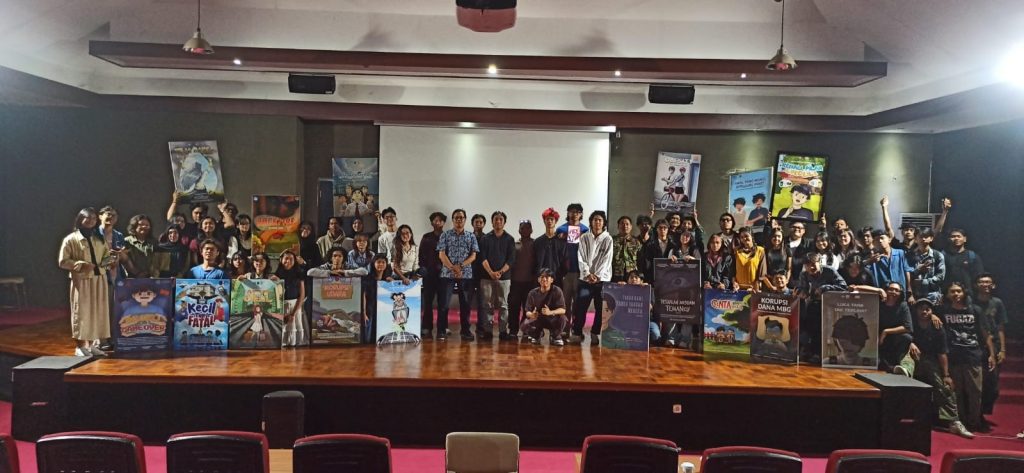
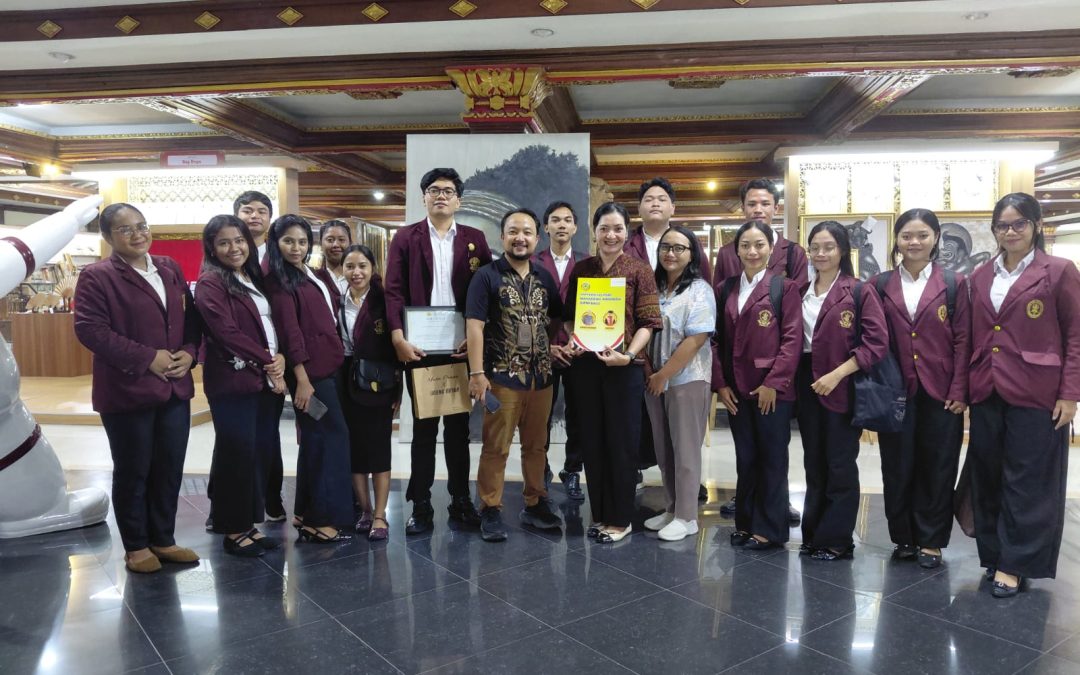
Photo: Group photo during the screening of animated videos by Visual Communication Design students.
The animated videos showcased a wide range of illustration styles and animation techniques, from expressive two-dimensional approaches to more dynamic three-dimensional experiments. Each work reflected the students’ individual creative identities while demonstrating their ability to construct clear and effective visual narratives. The audience—comprising lecturers, students from various disciplines, and stakeholders—expressed their appreciation for the students’ courage in addressing contemporary issues through the medium of animation.
This screening was not merely an exhibition of student works, but an integral part of the learning process embedded within the Animation Course of the VCD curriculum at ISI Bali. The production of these animated videos constituted a course assignment designed to develop students’ mastery of advertising concepts, visual storytelling, and technical production skills. As such, the activity functioned as an authentic learning platform, enabling students to test their competencies while receiving direct feedback from the audience.
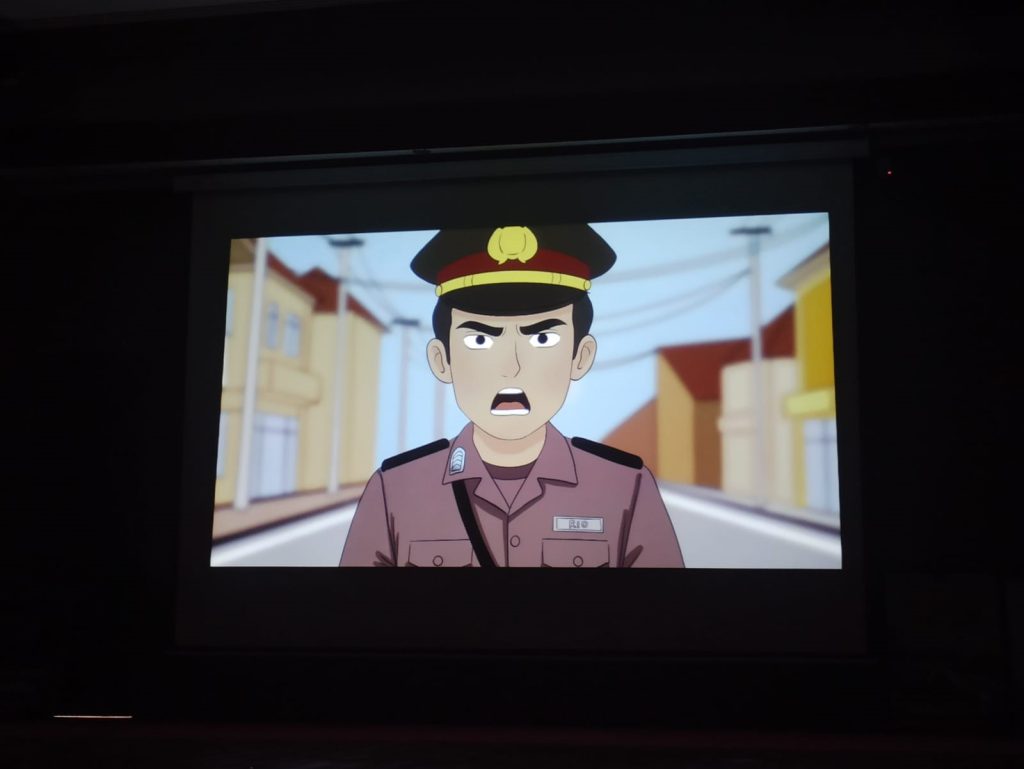
The central theme explored in this series of animations was public service advertising. Students were challenged to convey important messages related to environmental awareness, health, traffic safety, and local cultural values. Through creative approaches, these messages were packaged into animations that are accessible, easy to understand, and emotionally engaging. This demonstrates that animation serves not only as a form of entertainment, but also as an effective medium for education and social campaigns.
Photo: One of the animation works by a Visual Communication Design student of ISI Bali.
The screening concluded with a discussion session involving students, lecturers, and audience members. This forum provided space for reflection on the role of animation as a communication medium that responds to societal needs. Students were encouraged to develop not only technical expertise, but also sensitivity to the social issues emerging in their surroundings.
Through the successful implementation of this screening, ISI Bali reaffirmed its commitment to producing visual communication designers who are creative, critical, and ethical. The students’ animated works stand not only as evidence of academic achievement, but also as tangible contributions to fostering social awareness through visual media.
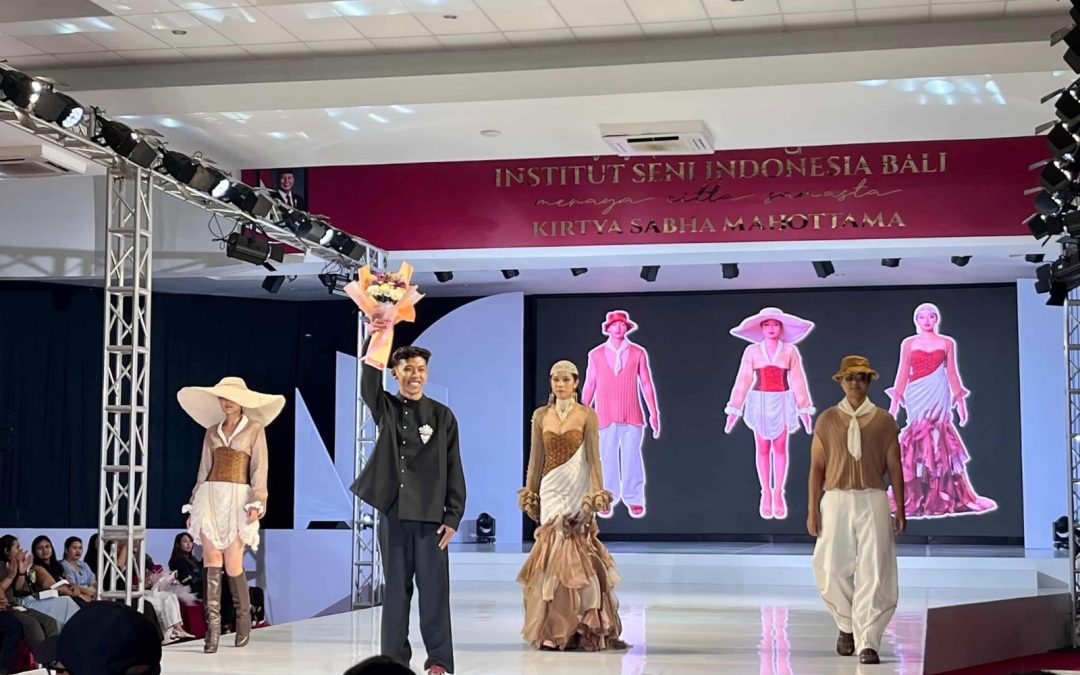
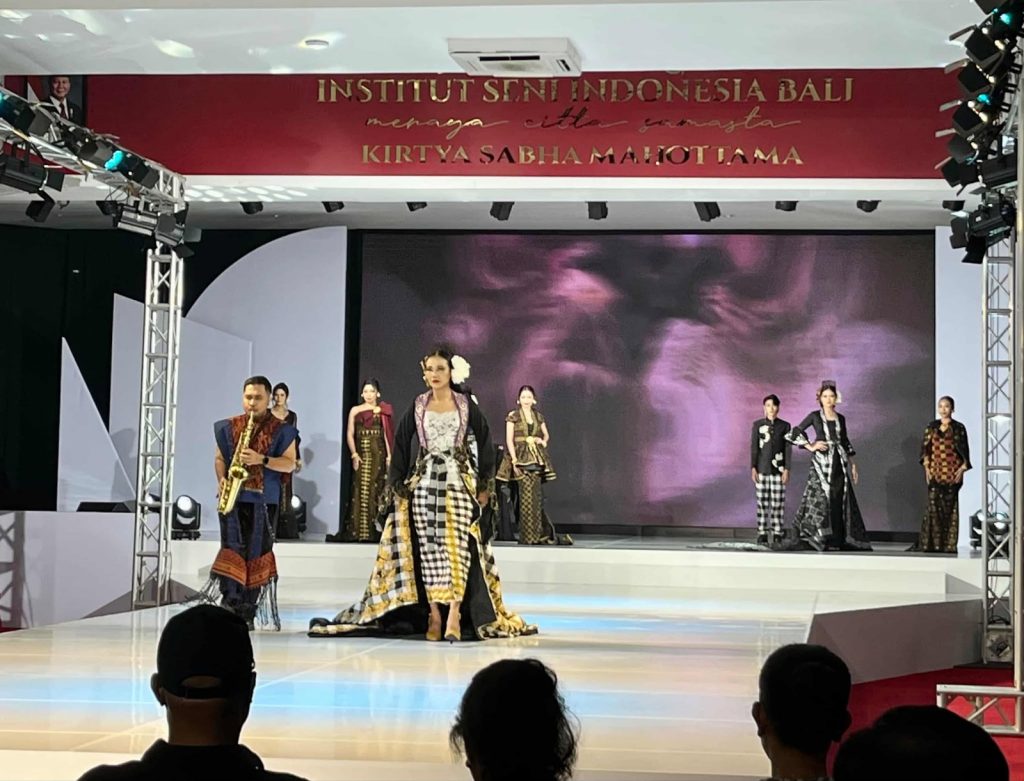
Photo: Fashion Show “Diversity of Indonesia #9,” part of the dissemination of final projects under the ISI Bali Berdampak Program for the Odd Semester of the 2025/2026 Academic Year, held at Citta Kelangan Building, 3rd Floor, ISI Bali, Saturday (24/1).
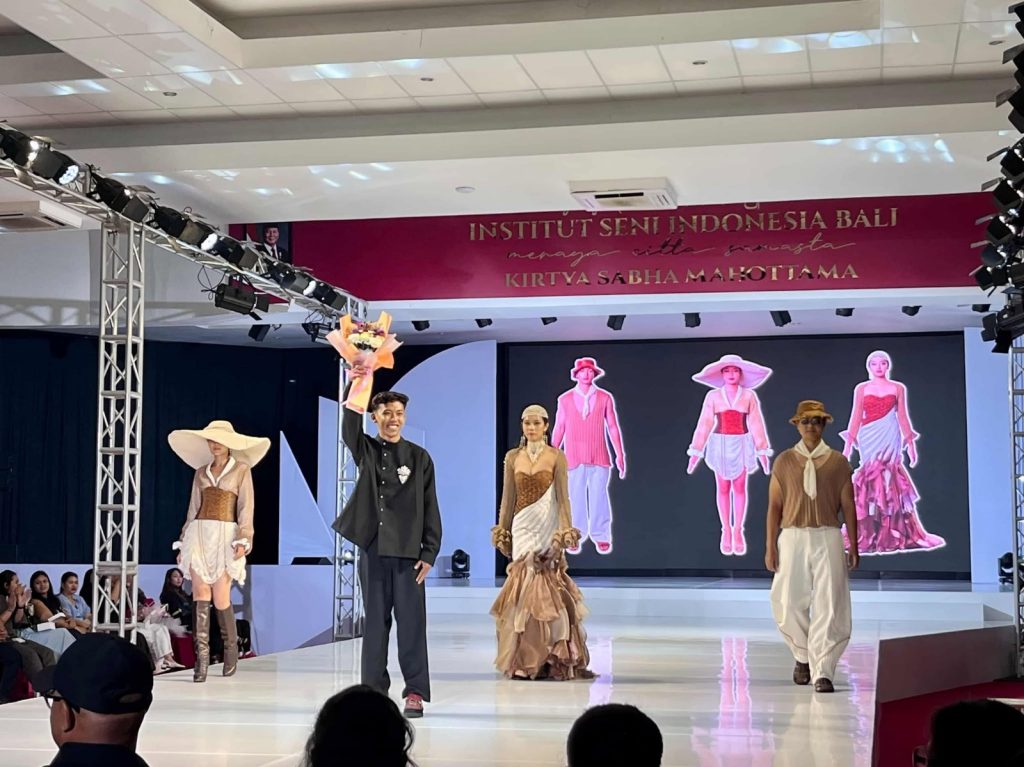
The Fashion Design Study Program, Faculty of Fine Arts and Design, Institut Seni Indonesia (ISI) Bali, organized the Fashion Show “Diversity of Indonesia #9.” The event was conducted as part of the dissemination of students’ final projects within the ISI Bali Berdampak Program for the Odd Semester of the 2025/2026 Academic Year, and took place at the Citta Kelangan Building, 3rd Floor, ISI Bali.
The opening of the fashion show on Saturday evening (24/1) was attended by hundreds of invited guests, including the Rector of ISI Bali, Prof. Dr. I Wayan ‘Kun’ Adnyana, along with members of the ISI Bali leadership, a member of the Regional Representative Council (DPD RI) from Bali, Dr. I Gusti Ngurah Arya Wedakarna, lecturers, and administrative staff of ISI Bali. Representatives of ISI Bali’s impact partners, parents or guardians of students, and other invited guests were also in attendance.
Photo: Fashion Show “Diversity of Indonesia #9,” the dissemination of final projects under the ISI Bali Berdampak Program for the Odd Semester of the 2025/2026 Academic Year, held at the Citta Kelangan Building, 3rd Floor, ISI Bali, Saturday (24/1).
The Chair of the Fashion Show Organizing Committee, Grace Febbythadewi Simbang, reported that a total of 213 fashion works created by 71 students were presented in the final project dissemination of the ISI Bali Berdampak Program entitled “Diversity of Indonesia #9.” Each student produced three fashion works, consisting of ready-to-wear, ready-to-wear deluxe, and semi-couture collections.
For the first time since 2016, the fashion show was held over two days, on Saturday (24/1) and Sunday (25/1). On the first day, 108 outfits by 36 students were showcased, followed by 105 outfits by 35 students on the second day.
The dissemination process of the final projects underwent a series of lengthy and structured stages, beginning with proposal submission and design selection, followed by supervision and evaluation in collaboration with academic advisors, supported by partners from the Business and Industrial Sector (DUDI). During the creation process, students also conducted in-depth research on Indonesia’s cultural wealth, including explorations of traditional architecture, Nusantara flora and fauna, and local wisdom values as sources of design inspiration. The final stage of the process included professional photo sessions of the works and the fashion show presentation.
Grace expressed her sincere gratitude to all parties who supported the event. “I would like to extend my deepest appreciation to the leadership of ISI Bali, the lecturers, DUDI partners who provided guidance, performers, alumni, and all supporting contributors. Without their support, this event would not have been possible,” stated the seventh-semester student of the Fashion Design Study Program.
The Rector of ISI Bali, Prof. Dr. I Wayan ‘Kun’ Adnyana, commended the dedication and hard work of the students in organizing the final project dissemination for the Odd Semester of the 2025/2026 Academic Year. He emphasized that fashion shows constitute a central pillar in fashion design education and practice, as they serve as a platform for the actualization of ideas, creativity, and student professionalism. According to him, this activity reflects the quality and potential of a promising generation of Indonesian fashion designers nurtured within the academic environment of ISI Bali. (ISIBALI/Public Relations)
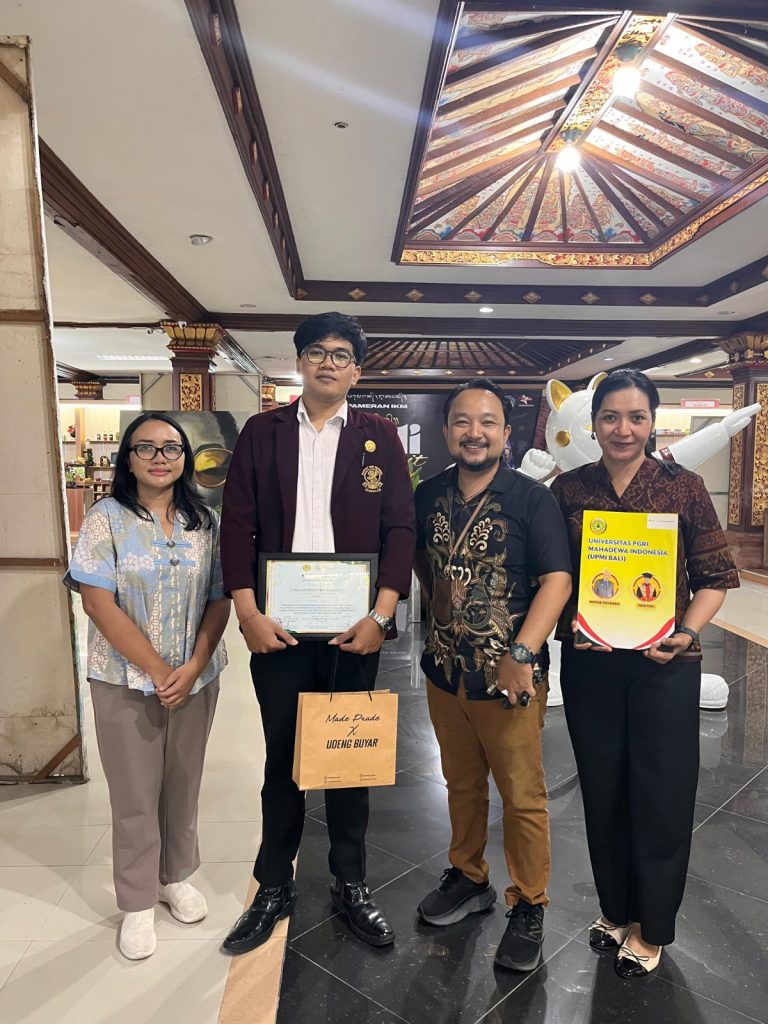
The Performing Arts Education Study Program (PSP), Faculty of Performing Arts, Institut Seni Indonesia (ISI) Bali, participated in an Arts Education Seminar entitled “Nusantara Performing Arts as a Medium for Multicultural Literacy in Arts Education,” organized by Universitas PGRI Mahadewa Indonesia on Saturday, 24 January 2026. The seminar was held at the Ksirarnawa Building, Art Centre Denpasar, and was attended by students, lecturers, and academics from three higher education institutions: Universitas PGRI Mahadewa Indonesia, Institut Seni Indonesia Bali, and Universitas Hindu Indonesia.
The participation of the PSP Study Program of ISI Bali in this seminar reflects the institution’s commitment to strengthening academic understanding of Nusantara performing arts as a vital component of multicultural literacy within arts education. The seminar served as a strategic forum to discuss the role of drama, dance, and music in fostering national awareness, cultural diversity, and character formation through arts education.
Through this activity, lecturers and students were provided with an academic platform to engage in scholarly discussions and exchange ideas concerning conceptual approaches, learning methodologies, and pedagogical practices in performing arts education that are contextual and responsive to Indonesia’s socio-cultural dynamics. Nusantara performing arts were viewed not merely as aesthetic expressions, but also as sources of knowledge, values, and cultural identity.
In addition to enhancing academic insight, the seminar functioned as a means of strengthening networks and collaboration among academics and arts practitioners. Cross-institutional interactions are expected to encourage synergy in the development of education, research, and community engagement in the field of performing arts.
PSP students as seminar presenters. Documentation: Aditya Putra Nugraha, 2026.
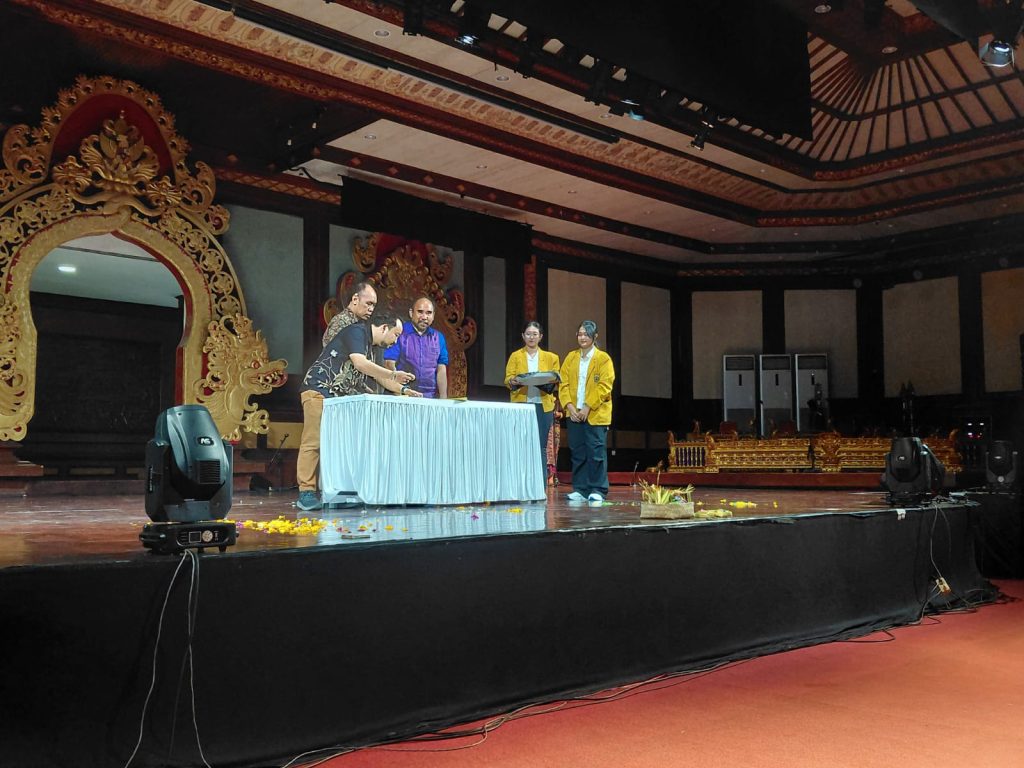
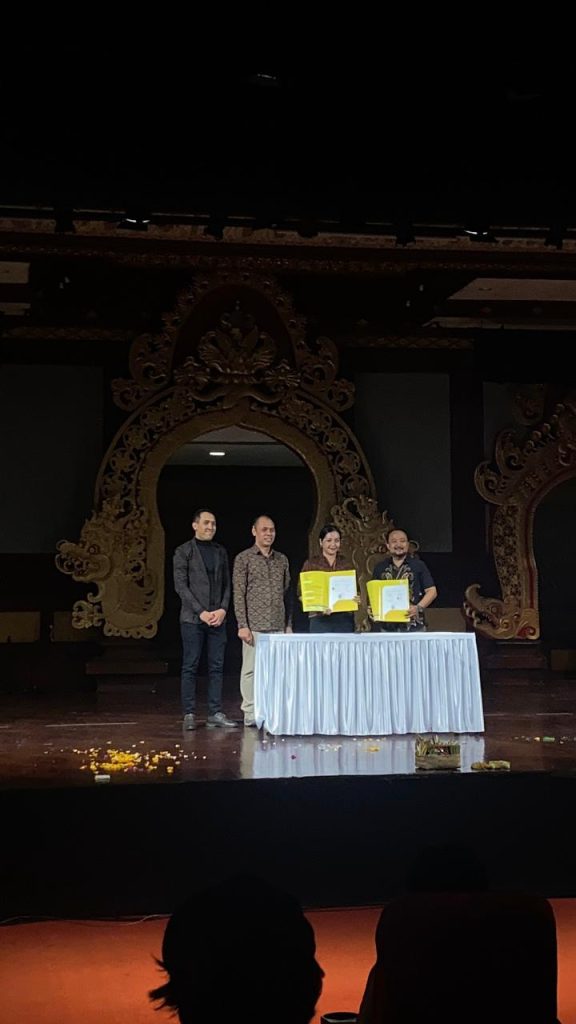
In addition to the academic seminar, the activity also included the signing of a Cooperation Agreement and an Implementation Arrangement between the Faculty of Language and Arts, Universitas PGRI Mahadewa Indonesia, and the Faculty of Performing Arts, Institut Seni Indonesia (ISI) Bali, as well as between the Drama, Dance, and Music Arts Education Study Program and the Performing Arts Education Study Program. This collaboration aims to support the Kampus Berdampak program by jointly implementing academic initiatives through the collaborative utilization of resources owned by each study program and higher education institution.
The signing of the Cooperation Agreement (PKS) and Implementation Arrangement (IA) by the Dean of the Faculty of Performing Arts, the Dean of the Faculty of Language and Arts, the Coordinator of the Performing Arts Education Study Program, and the Head of the Drama, Dance, and Music Arts Education Study Program. Documentation: PSP, 2026.
The participation of the Performing Arts Education Study Program of ISI Bali in this activity is aligned with the implementation of the Tri Dharma of Higher Education and the vision of ISI Bali as a center for the development and preservation of Nusantara arts and culture. This activity is expected to make a positive contribution to enhancing the quality of arts education grounded in cultural values and multiculturalism.
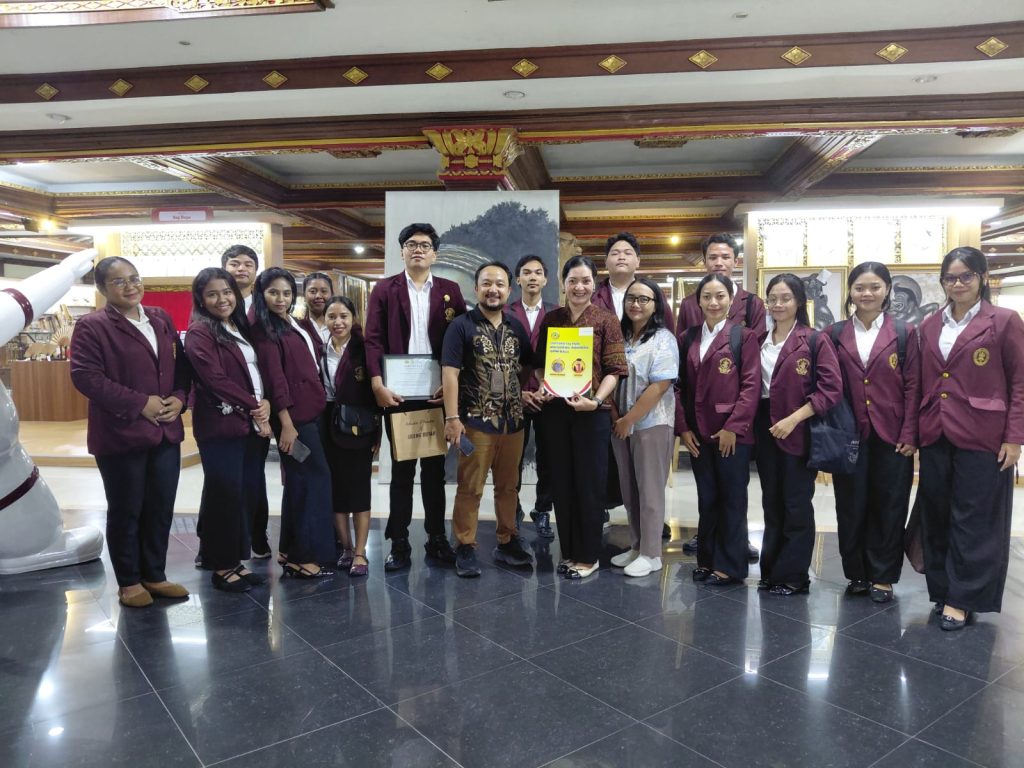
Group photo with the Head of the Drama, Dance, and Music Arts Education Study Program, the Coordinator of the Performing Arts Education Study Program (PSP), PSP lecturers, and PSP students. Documentation: Hartini, 2026.
The Indonesian Institute of the Arts Bali (ISI Bali) once again आयोजित the Academic Potential Test (TPA) for prospective new students of the Graduate Programs, including the Master’s and Doctoral Programs (S2/S3), for the Even Semester of the 2025/2026 Academic Year. The Academic Potential Test is a mandatory requirement that must be undertaken by all applicants to the Graduate Programs at ISI Bali.
The purpose of administering the Academic Potential Test is to assess applicants’ intellectual readiness as well as their logical, analytical, verbal, and numerical reasoning abilities in accordance with the demands of graduate-level education. In addition, the test supports the Graduate Programs of ISI Bali in the selection process by ensuring that prospective students possess the potential to successfully complete advanced studies and further develop their academic capacities. The results of the Academic Potential Test also serve as a determining indicator in the admission decision for candidates seeking to pursue graduate studies at ISI Bali.
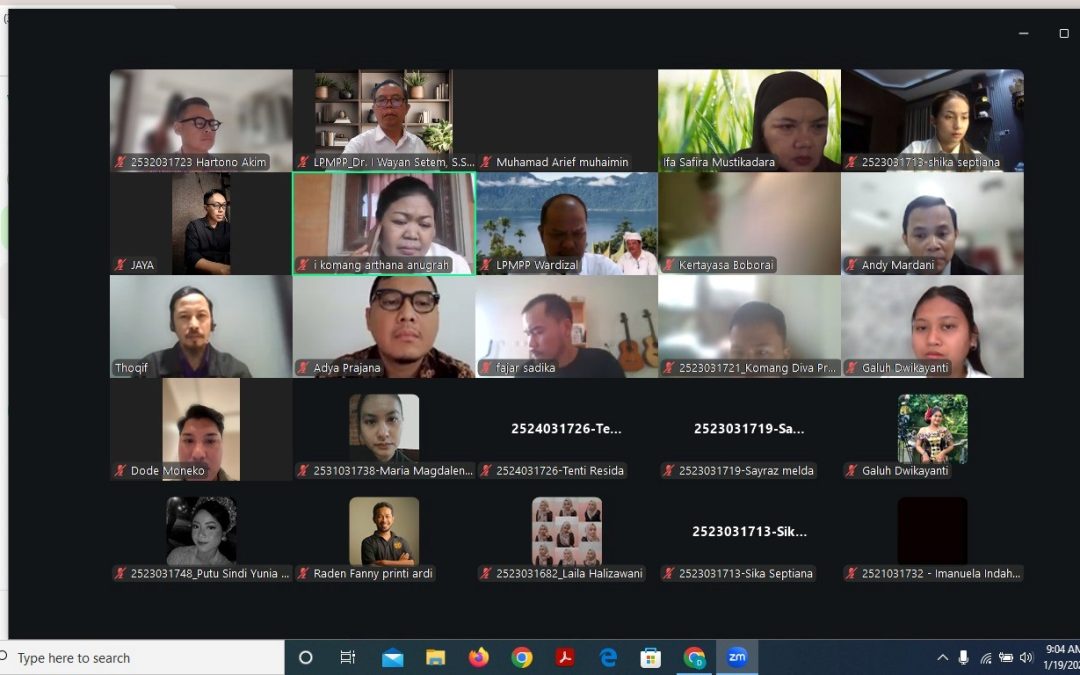
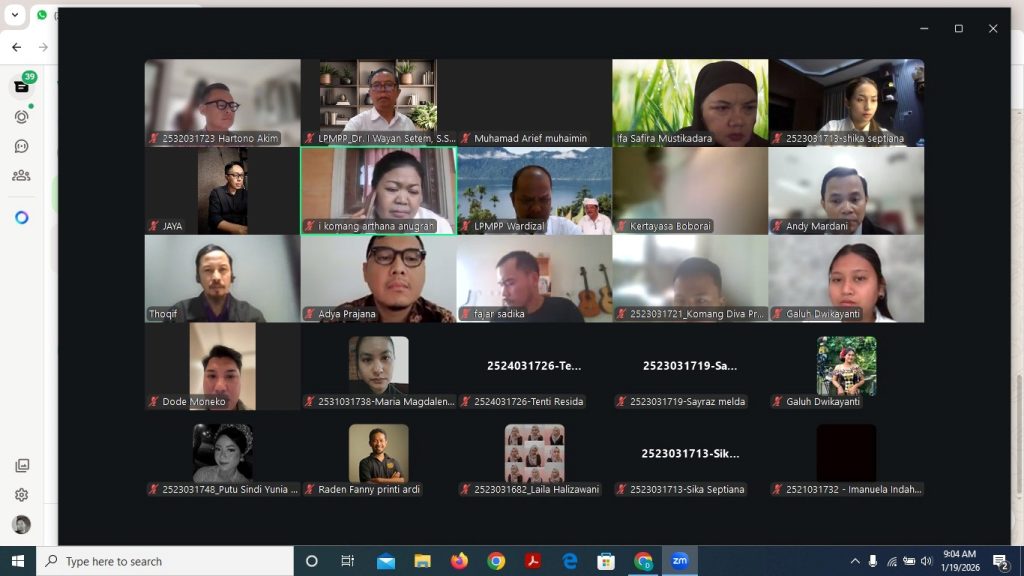
The Academic Potential Test was conducted on Monday, 19 January 2026, online via the Zoom application, from 09:00 to 11:00 WITA. A total of 49 participants took part in the test, consisting of 15 candidates for the Doctoral Program (S3) and 23 candidates for the Master’s Program (S2). The test procedure began with prospective students joining the designated Zoom meeting, followed by the delivery of technical guidelines for the test implementation by the UPA TIK ISI Bali (Academic Support Unit for Information and Communication Technology).
Participants were required to keep their video cameras activated throughout the test and to complete the test independently. Recording or photographing the test questions was strictly prohibited. Participants who had completed all test materials were allowed to leave the Zoom meeting after ensuring that their answers had been successfully submitted. The TPA score records were sent to each participant via email. Participants who were declared successful received a certificate issued by the Institute for Quality Assurance and Learning Development of ISI Bali.
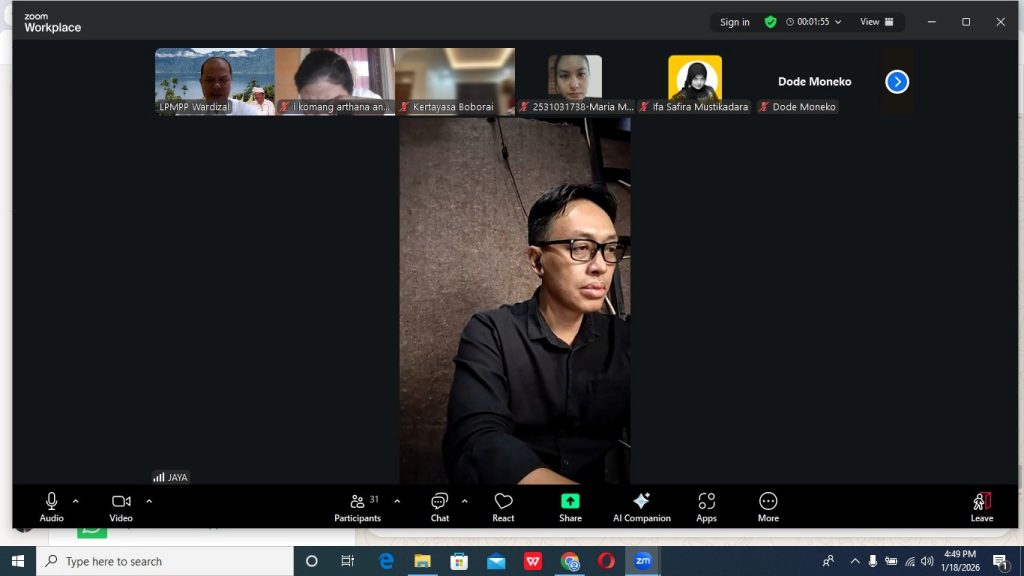
Screenshot of the Academic Potential Test conducted on Monday, 19 January 2026
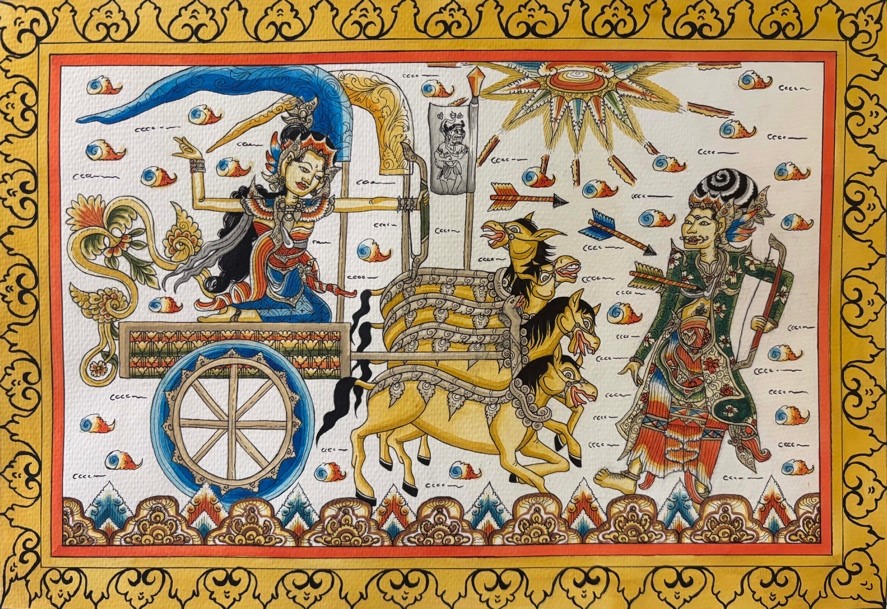
Balinese Illustration Works by Visual Communication Design Students of ISI Bali, Documentation: Nuriarta, 2026
The exhibition theme “Karta Mandala” is interpreted as a balance between traditional and modern concepts in the creation of illustrative works by students of the Visual Communication Design (VCD) Program, Faculty of Fine Arts and Design (FSRD), Institut Seni Indonesia Bali (ISI Bali). The exhibition was held over three days, from 16 to 18 January 2026, and comprised an opening ceremony, a talk show, and a closing session. The events took place at the Kriya Building of Taman Budaya (Art Centre), Nusa Indah Street, located to the south of the ISI Bali campus.
The opening of the “Karta Mandala” Exhibition was officiated by the Coordinator of the Visual Communication Design Study Program, Gede Bayu Segara Putra, S.Ds., M.Sn. In his capacity as Program Coordinator, Bayu Segara expressed strong appreciation for students’ initiatives in actively organizing illustration exhibitions. The opening ceremony, held in the front courtyard of the Kriya Building, was also attended by the Head of the Section for Arts Presentation and Development, I Gede Arum Gunawan, S.Ag., M.Ag., representing the Head of the UPT Taman Budaya, as well as the lecturer of the Balinese Illustration course, Visual Communication Design faculty members, exhibition participants, and members of the public. The event was attended by more than 70 participants from diverse backgrounds, including students and the general community.
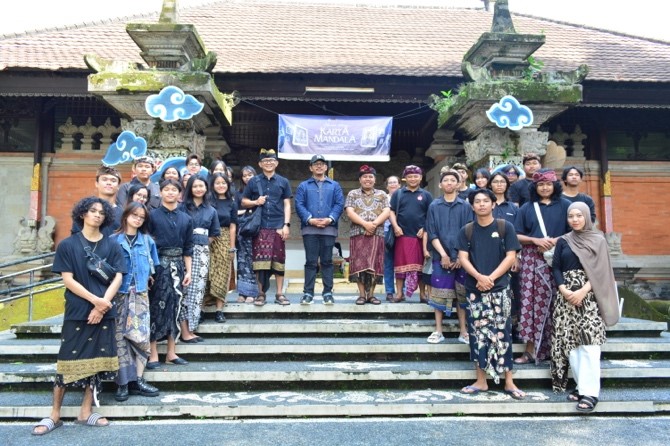
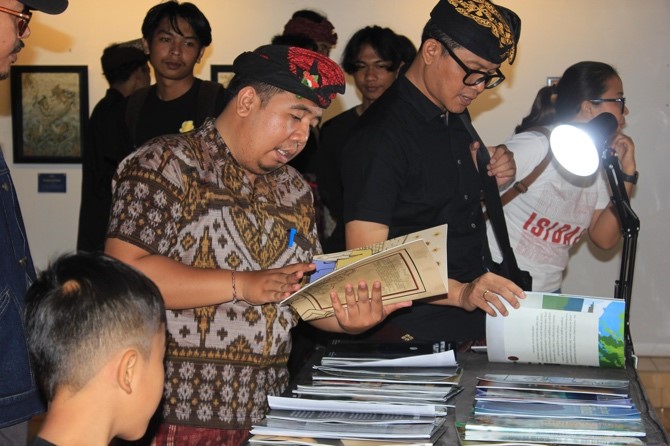
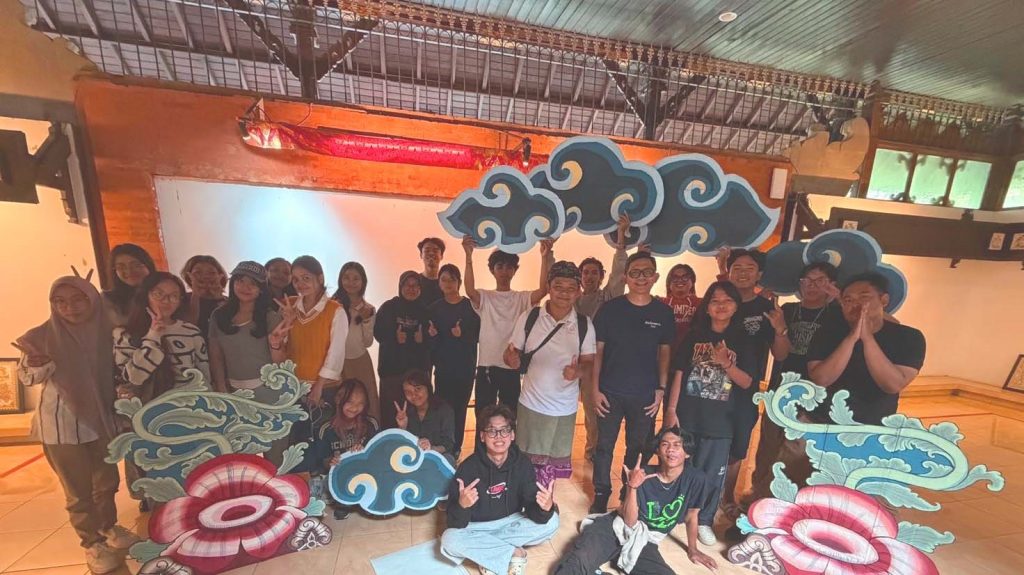
Group photo with Visual Communication Design students, VCD lecturers, the VCD Program Coordinator, and a representative of Taman Budaya (left); appreciation of student works in the exhibition space (right).Documentation: DKV-B, 2026.
The exhibition involved 37 Visual Communication Design students enrolled in the Balinese Illustration course, presenting works in the styles of Wayang Kamasan, Wayang Ubud, as well as illustrations depicting the traditional daily life of Balinese society. A total of 63 illustration works and 39 illustrated stories were exhibited. In addition, the exhibition featured digital works in the form of Public Service Advertisements (PSAs) created using digital techniques. These PSA works continued to incorporate wayang figures as central visual elements.
The exhibition functioned as a bridge for harmonizing tradition and innovation. The displayed works demonstrate that VCD students of ISI Bali are able to maintain the continuity of traditional values while remaining open to change and intercultural dialogue. Balinese traditional illustrations serve as evidence that tradition is not static, but rather a living entity that continues to evolve over time. The inclusion of themes drawn from everyday life is particularly significant, as it reveals that traditional aesthetics are not confined to sacred spaces or epic narratives, but are also embedded within daily activities. Illustrations of everyday life often adopt Balinese traditional visual principles, such as narrative composition, symbolic representation, and the depiction of space as flat yet richly detailed. Through these works, art audiences are invited to perceive Bali not merely as a tourist destination, but as a living space imbued with spiritual values, communal bonds, and an awareness of ecological balance.
Talk Show
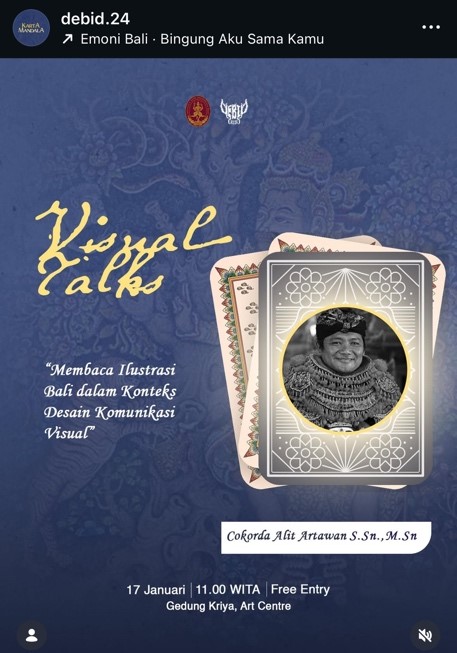
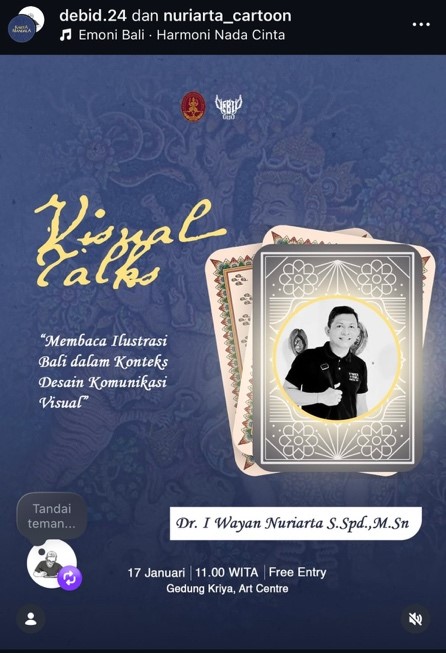
Visual Talk flyer for the “Karta Mandala” Exhibition.Documentation: DKV-B, 2026.
On Saturday, 17 January 2026, a work discussion session was held in the exhibition space. Two invited speakers, Cokorda Alit Artawan, S.Sn., M.Sn., and Dr. I Wayan Nuriarta, S.Pd., M.Sn., were present to deliver overviews of Balinese illustration. Cokorda Alit Artawan provided a concise account of the emergence of Balinese illustration, while I Wayan Nuriarta discussed illustration from a cultural studies perspective. The talk show was attended by Visual Communication Design students as well as members of the general public. The discussion was lively, focusing on illustrations as visual texts and the narrative dimensions of the works.
On this occasion, students of DKV-B also actively discussed their selected works. They explained their creative processes, ranging from idea development and initial sketching to the finalization of the artworks. Visitors showed strong enthusiasm in engaging with the entire series of events.
Exhibition Closing
Closing of the “Karta Mandala” Exhibition.Documentation: DKV-B, 2026.
The exhibition closing was marked by an entertainment program featuring performances by Visual Communication Design students. According to the chair of the organizing committee, I Putu Gading Bagus Maesha, the entire series of activities was carried out smoothly and successfully. He expressed the hope that this exhibition of Balinese traditional illustration would hold meaningful value for its visitors. It is expected that the exhibition not only enriches knowledge of Balinese traditional visual arts, but also fosters a shared sense of respect and responsibility in preserving the sustainability of this noble cultural heritage. (Cok Alit Artawan & Nuriarta)
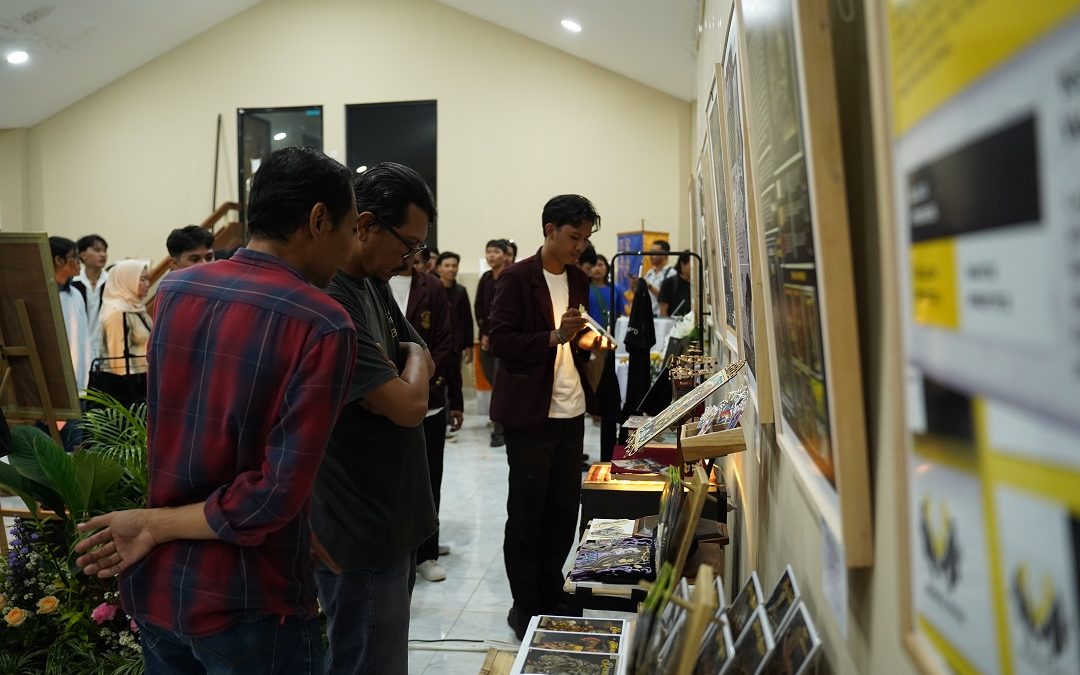
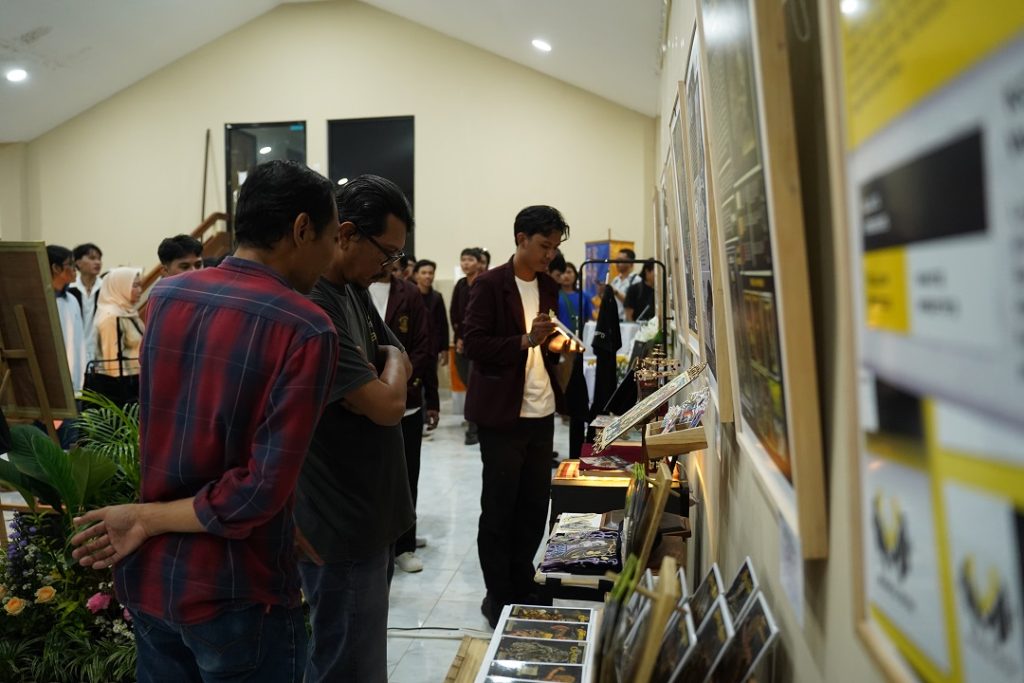
The series of events enlivening the Vidya–Vastu–Virya Exhibition concluded on the third day with Art Talks and artistic performances presented by the Student Associations of the Craft, Interior Design, Visual Communication Design (VCD), and Photography Study Programs. Each association shared engaging experiences from their respective academic journeys and presented diverse musical performances, despite being accompanied by rainfall.
The Student Association of the Craft Study Program featured two speakers, Suryawan and Naomi, both students participating in the Final Project Dissemination Exhibition of the ISI Bali Berdampak Program for the Odd Semester of the 2025/2026 Academic Year. Each speaker conveyed distinct experiences gained through collaboration with their chosen industry partners, including learning about upcycling practices and natural dyes. These experiences provided valuable insights into material processing as well as an understanding of market dynamics within the craft industry. The accompanying performance was marked by high enthusiasm, even though it required relocation and shelter due to the rain. The Craft Student Association presented a distinctive ngelawang performance; instead of traditional gamelan accompaniment, they utilized bamboo kulkul instruments they had crafted themselves. This unique and spirited performance involved more than 30 students from the Craft Study Program.
The Student Association of Interior Design presented a single speaker, Komang, who was also undertaking a Final Project. One of the most memorable experiences for him was engaging in off-studio activities, particularly conducting on-site project inspections with industry partners—experiences not typically encountered in conventional coursework. Consequently, the opportunities provided through the ISI Bali Berdampak Program were considered highly significant for the development of his professional skills and competencies as an interior designer. He emphasized the importance of mastering both two-dimensional and three-dimensional design skills, as these competencies are essential and fully applied during participation in the program. Familiarity with these tools, he noted, enables students to execute client assignments more effectively. The Interior Design Student Association concluded its segment with a pop band performance featuring songs by renowned Indonesian bands such as Sheila On 7 and Dewa 19, encouraging audience participation through collective singing.
The Student Association of Visual Communication Design featured two Final Project students and one third-semester student as speakers. One of the speakers, Candra, participated in the ISI Bali Berdampak Program in Poland, contributing to the development of the newly established Taman Bali Indah. His involvement included participation in art performances, art workshops, and branding activities. He highlighted the need for significant adaptation, particularly in terms of culture, language, and climate. The experience underscored the importance of copywriting skills, given the differing professional standards compared to those in Indonesia.
Another speaker, Dayu, undertook the ISI Bali Berdampak Program at Kenak Medika Hospital in Gianyar. Her experience was characterized by a range of unexpected and insightful activities, particularly in understanding hospital operations and management. In addition to developing branding materials, one unanticipated experience involved photographing newborn babies. “It was exciting and nerve-wracking at the same time, because it was something entirely new,” Dayu explained.
The third-semester student, Dita, shared that her decision to pursue Visual Communication Design was influenced by her parents, who recognized the potential of the discipline. Her early exposure to foundational courses such as Nirmana and Basic Visual Communication Design marked the beginning of her academic journey. Participating in exhibitions became a particularly memorable experience, especially collaborative exhibitions with the Master’s Program in Arts Management, through which she learned exhibition planning and execution. The artistic performance presented by the Visual Communication Design Student Association featured a music band performing classic international pop-rock songs.
The Student Association of Photography presented three students—Dika, Tria, and Bagus—who participated in the ISI Bali Berdampak Program, alongside a DJ performance that accompanied the audience into the evening. Each student undertook the program in different settings with distinct areas of focus, including storytelling, hospitality, and fashion modeling. While the program may not have significantly enhanced their technical skills in capturing photographs, it provided deeper learning in time management, studio lighting techniques, and marketing strategies. An unforgettable aspect of the experience involved developing independent concepts to produce high-quality photographic works, as well as confronting and learning from mistakes. “Never be excessively afraid—fear is acceptable, but always communicate with your supervisors and avoid making assumptions on your own,” Tria advised.