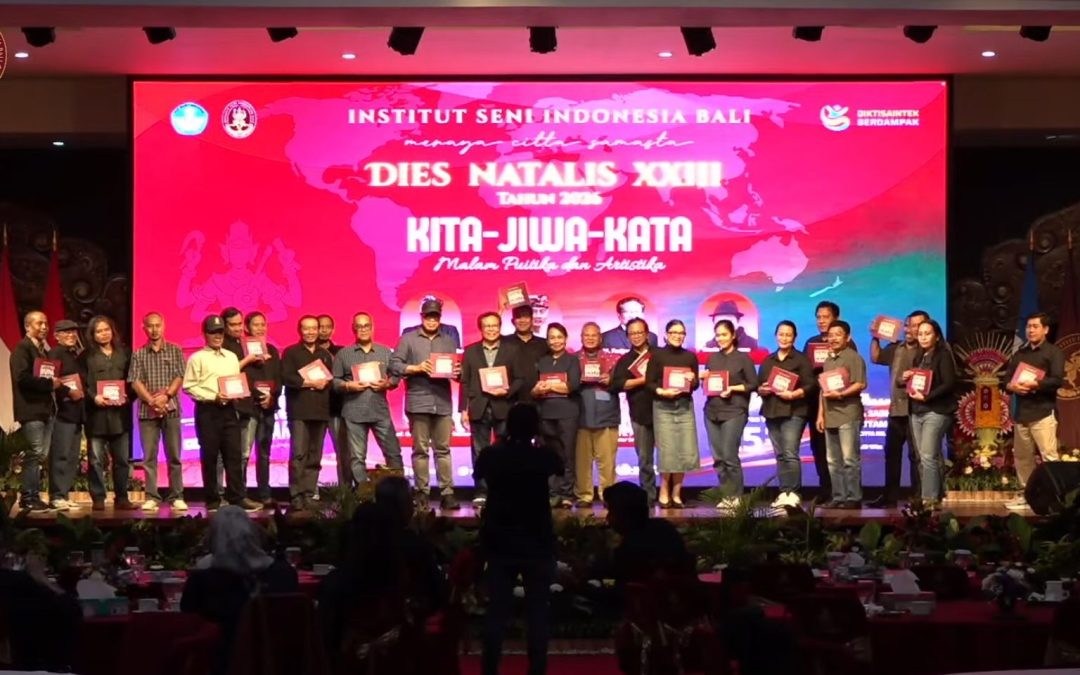
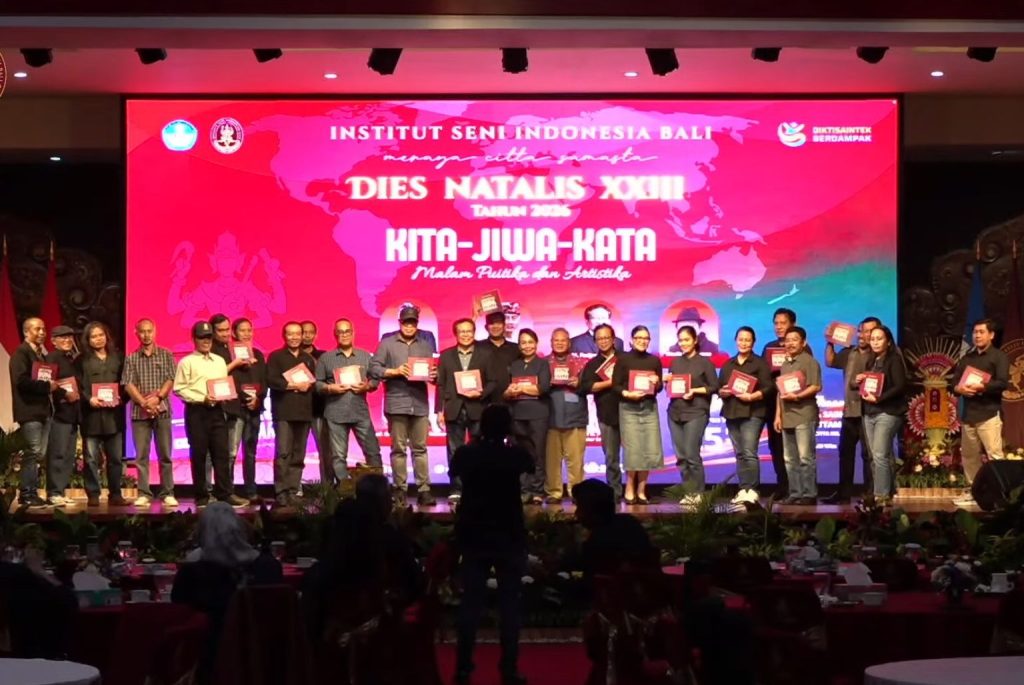
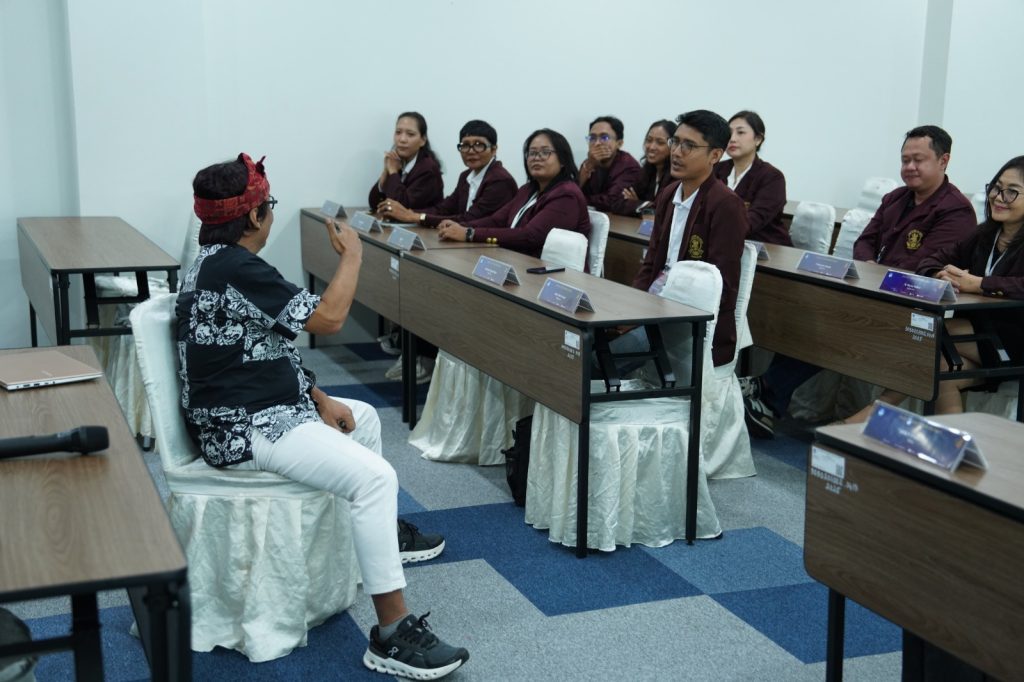
Photo: Panegteg Dies Natalis entitled “Kita Jiwa Kata” during the Evening of Poetics and Artistic Expression at the Auditorium Kirtya Sabha Mahottama, Citta Kelangen Building, Institut Seni Indonesia Bali, Wednesday (25/2) evening.
In commemorating its 23rd Anniversary in 2026, Institut Seni Indonesia Bali (ISI BALI) आयोजित a Panegteg Dies Natalis titled “Kita Jiwa Kata” as part of an Evening of Poetics and Artistic Expression at the Auditorium Kirtya Sabha Mahottama, Citta Kelangen Building, on Wednesday (25/2) evening. The event served as a reflective space to celebrate the word as the animating spirit of artistic creation and scholarly inquiry.
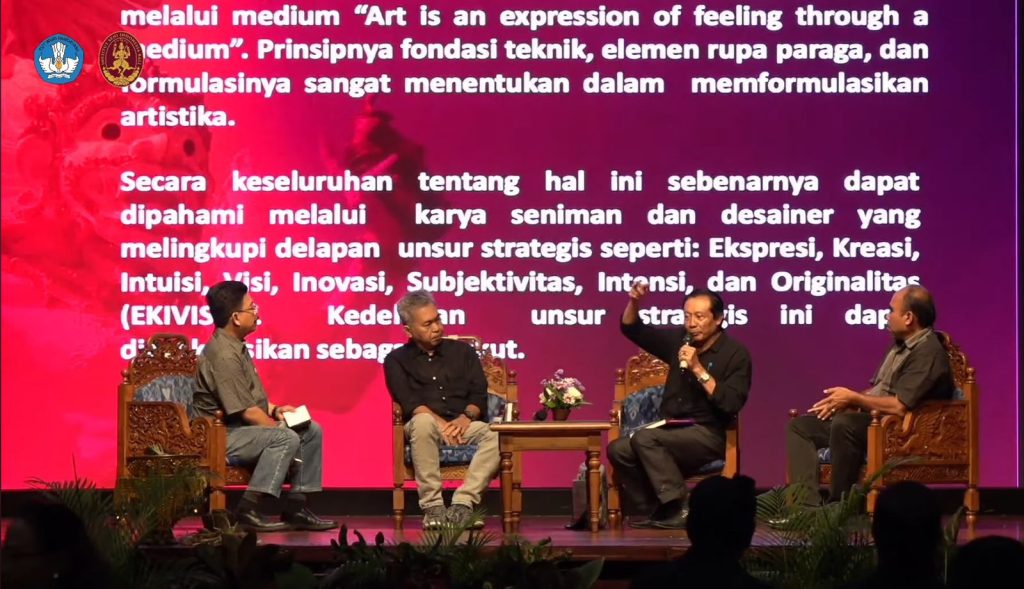
One of the main agendas was a book discussion of Artistika Rupa Paraga, featuring art curator Arif B. Prasetyo, academic Prof. Dr. Gede Yudarta, and Prof. Dr. Anak Agung Gede Rai Remawa as speakers, with Prof. Dr. Komang Sudirga serving as moderator. The discussion explored how works of art are not merely visual forms but also articulated ideas that can be narrated, critically examined, and academically accounted for.
Photo: Book discussion of Artistika Rupa Paraga during the Evening of Poetics and Artistic Expression at the Auditorium Kirtya Sabha Mahottama, Citta Kelangen Building, ISI BALI, Wednesday (25/2).
On this occasion, copies of the book were symbolically presented to representatives of the Advisory Council, the Head of the Academic Support Unit for the Library, and recipients of the Bali Bhuwana Nata Kerthi Nugraha award, as a form of knowledge dissemination and the strengthening of academic literacy within the university community.
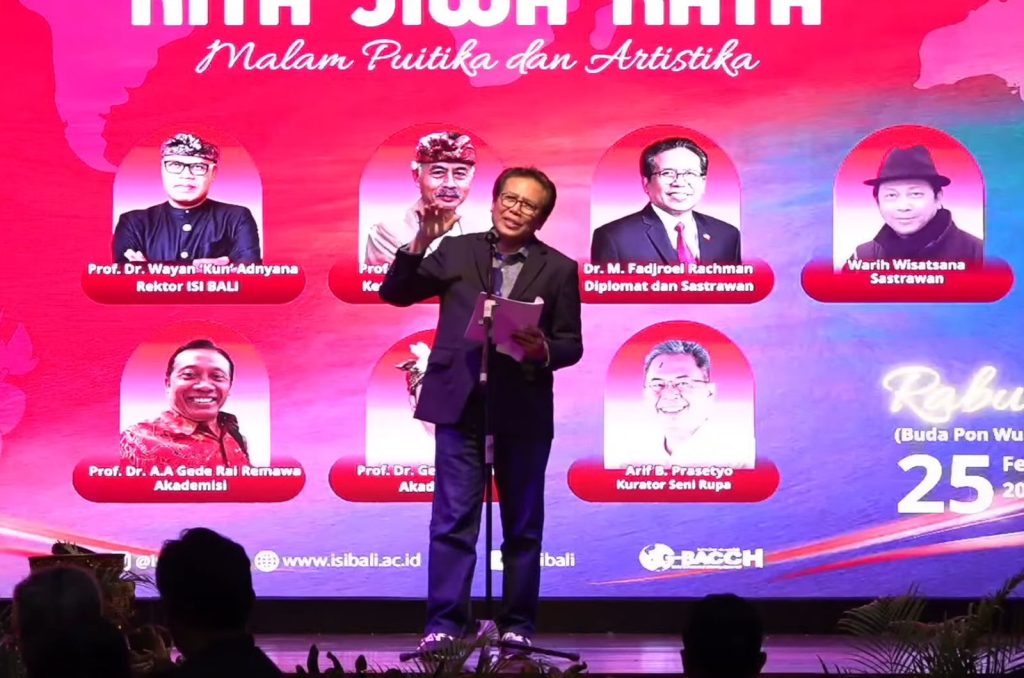
The evening grew increasingly solemn with poetry readings by the Ambassador Extraordinary and Plenipotentiary of the Republic of Indonesia to Kazakhstan, Mochammad Fadjroel Rachman; literary figure Warih Wisatsana; and filmmaker Riri Riza. Their presence underscored that the word possesses a vitality that transcends disciplinary and professional boundaries.
Photo: Poetry reading by Ambassador Extraordinary and Plenipotentiary of the Republic of Indonesia to Kazakhstan, Mochammad Fadjroel Rachman, during the Evening of Poetics and Artistic Expression at the Auditorium Kirtya Sabha Mahottama, Citta Kelangen Building, ISI BALI, Wednesday (25/2).
The Rector of ISI BALI, Prof. Dr. Wayan “Kun” Adnyana, conveyed that the anniversary reception was conceived as an endeavor to celebrate the word as a manifestation of the soul. “The word is our medium for prayer. Together with 24 doctoral faculty members in artistic creation and research, we formulated how the uniqueness of a work can be articulated through language and subsequently framed within Artistika Rupa Paraga. Rupa signifies what is visible, while paraga denotes what can be embodied—flowing as movement and manifesting as performance,” he stated. (ISIBALI/Public Relations)
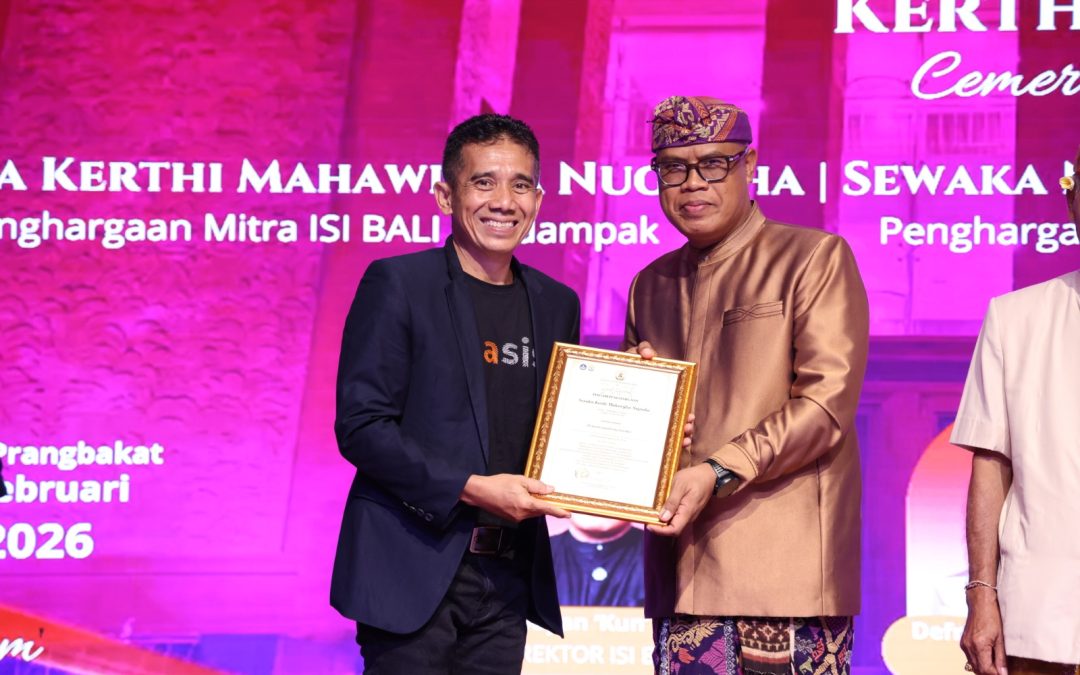
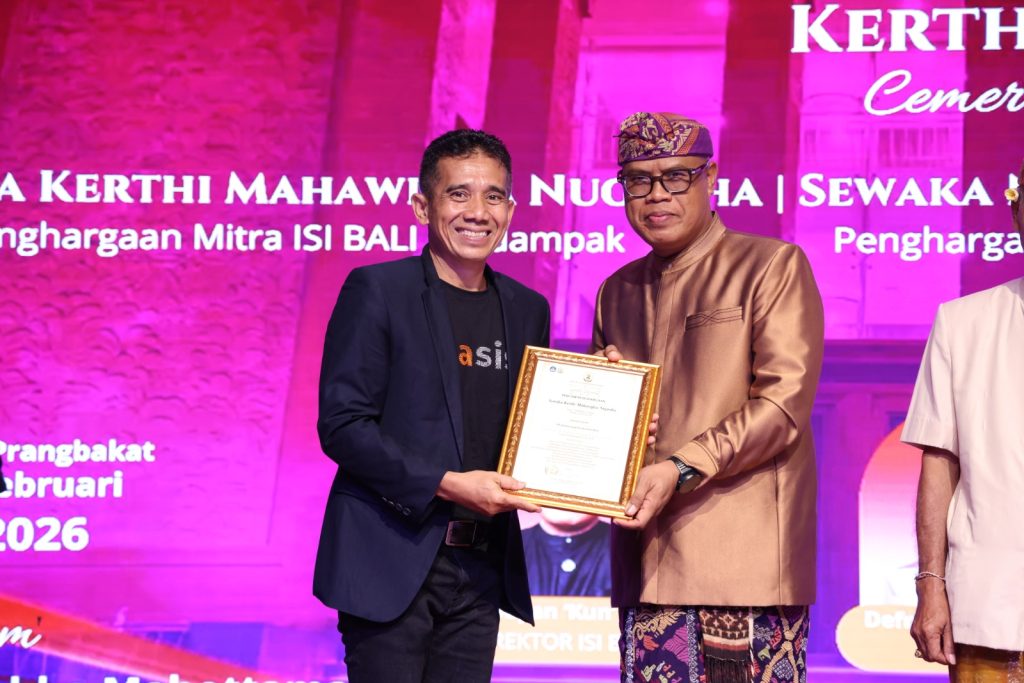
Photo: Presentation of the Sewaka Kerthi Mahawidya Nugraha Award 2026 to ISI BALI Impact Partners, Friday (20/2) at the Kirtya Sabha Mahottama Auditorium, ISI BALI.
The Indonesia Institute of the Arts Bali (ISI BALI) conferred the Sewaka Kerthi Mahawidya Nugraha Award 2026 upon 479 ISI BALI Impact Partners during the Pasamuan Widya Mahardika event entitled Kerthi–Jnana–Kwya (Illuminating the Scholarly Spirit), held on Friday (20/2) at the Kirtya Sabha Mahottama Auditorium, ISI BALI. This conferment represents a formal recognition of the partners’ tangible contributions in strengthening academic excellence, expanding professional networks, and enhancing student capacity development.
In his remarks, the Rector of ISI BALI, Prof. Dr. Wayan “Kun” Adnyana, emphasized that the Sewaka Kerthi Mahawidya Nugraha Award is fully dedicated to impactful partners who have generously shared their knowledge, professional experience, networks, and enthusiasm with the academic community. He underscored that the synergy established between the university and its external partners constitutes a vital source of institutional energy, reinforcing ISI BALI’s confidence as an adaptive and relevant arts institution.
The 479 award recipients represent diverse fields and sectors that have actively collaborated with ISI BALI across academic programs, professional practice, research initiatives, and community engagement activities. Their involvement has significantly enriched the ecosystem of practice-based and collaborative learning.
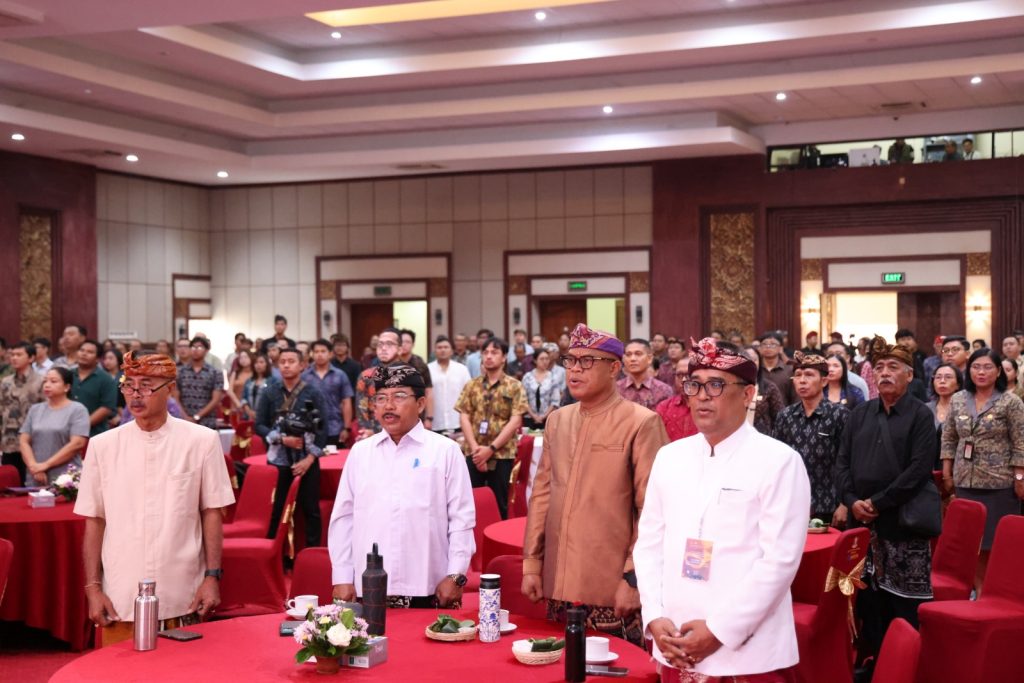
Photo:Pasamuan Widya Mahardika entitled Kerthi–Jnana–Kwya (Illuminating the Scholarly Spirit), Friday (20/2) at the Kirtya Sabha Mahottama Auditorium, ISI BALI.
On the same occasion, two partner representatives delivered testimonials. Defria Amelia Kirana, a partner of the Faculty of Fine Arts and Design, stated that collaboration with ISI BALI has fostered a mutually reinforcing creative dialogue between the professional sphere and academia. Meanwhile, I Gusti Bagus Matra, a partner of the Faculty of Performing Arts, expressed his pride in contributing to mentorship processes and sharing professional experience with students as the next generation of artists.
During the event, ISI BALI also presented the Sewaka Nata Kerthi Nugraha Award—an honor bestowed upon distinguished arts practitioners—to Made Subrata, also known as Petruk, a traditional theatre artist, and Sukanta Wahyu, a sculptor recognized for his consistent artistic practice and contributions to the development of fine arts.
In addition, the Sewaka Mahabakti Nugraha Award was granted to six retiring staff members in recognition of their outstanding dedication and service throughout their tenure at ISI BALI.
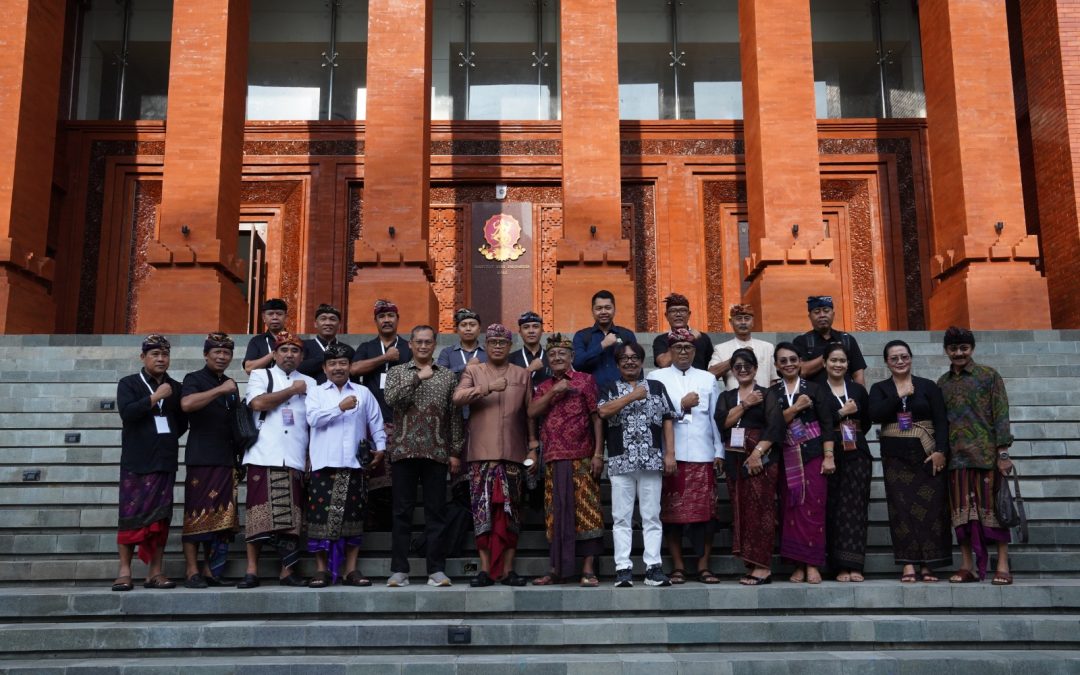
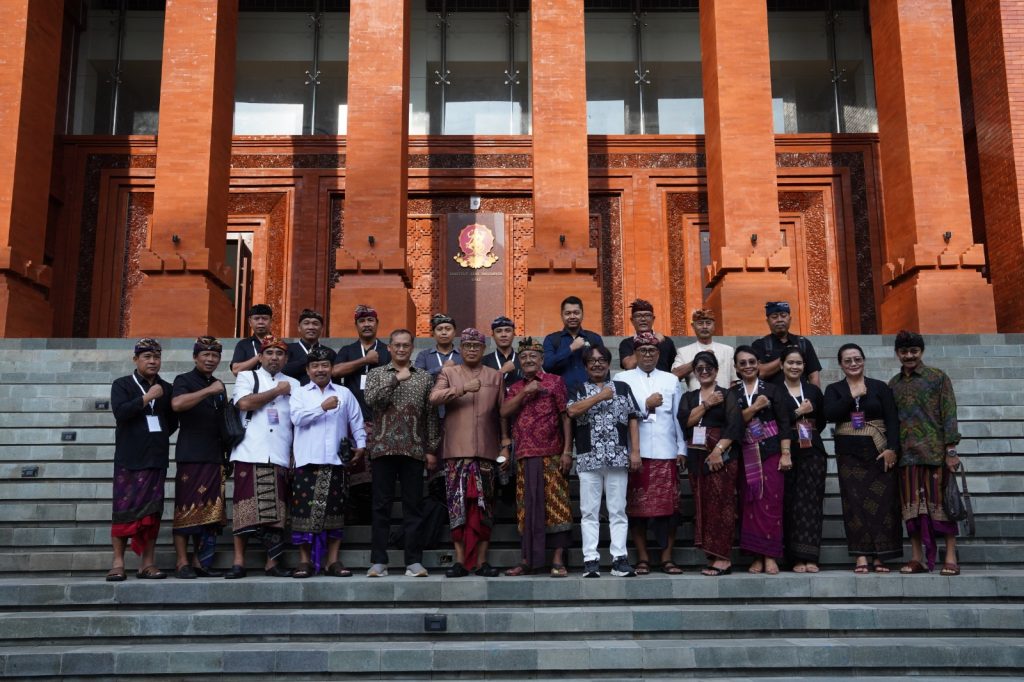
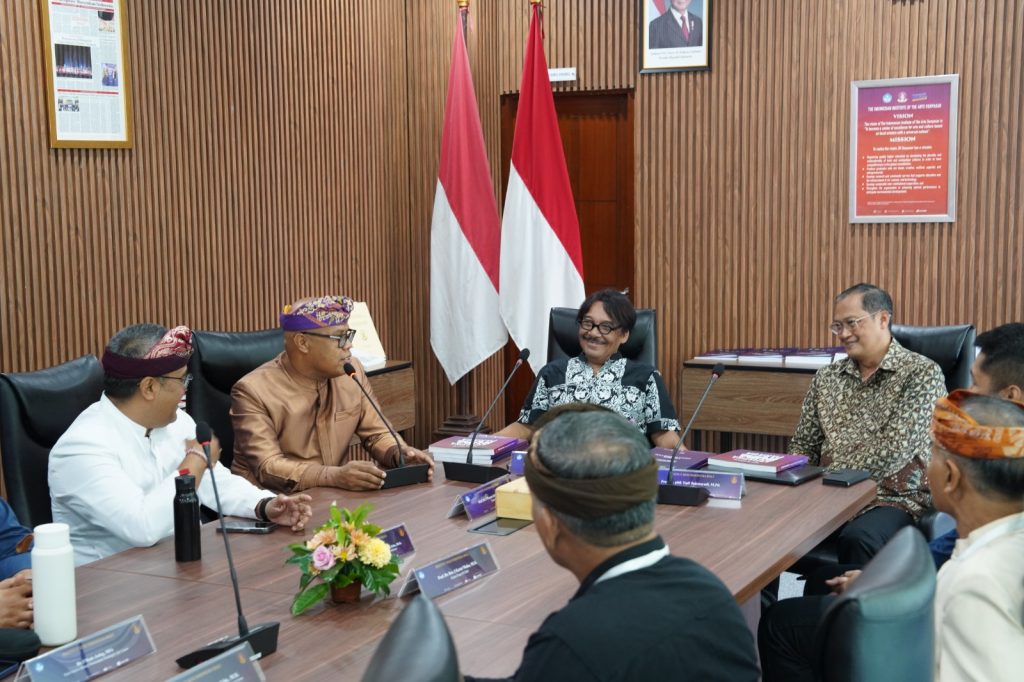
Photo: The leadership of Institut Seni Indonesia Bali (ISI BALI) together with assessors from Badan Akreditasi Nasional Perguruan Tinggi (BAN-PT) and the accreditation team of the Master’s Program in Arts Management, Friday (20/2) at the Design Hub Building, ISI BALI.
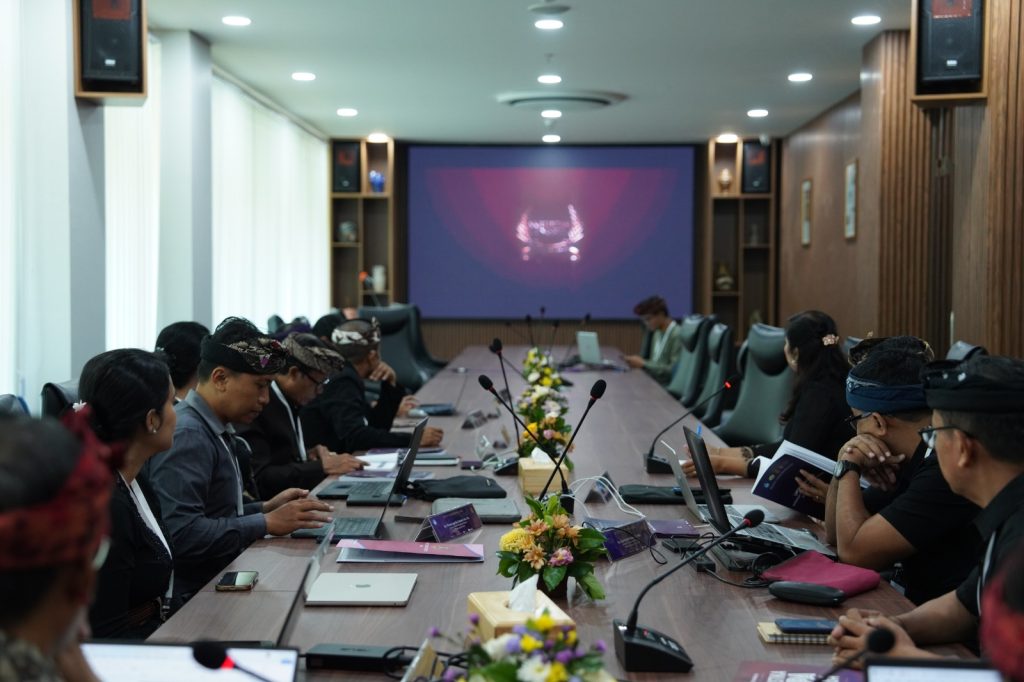
The Master’s Program in Arts Management, Graduate School of Institut Seni Indonesia Bali (ISI BALI), underwent an On-Site Accreditation Assessment conducted by Badan Akreditasi Nasional Perguruan Tinggi (BAN-PT) on Friday (20/2) at the ISI BALI Design Hub Building. This activity constituted a crucial stage in the accreditation process aimed at ensuring that the implementation of the academic program meets the National Standards for Higher Education.
The assessor team present during the site visit comprised Prof. Dr. phil. Yudi Sukmayadi, M.Pd., and Dr. Agung Eko Budiwaspada, M.Sn., accompanied by BAN-PT staff member Dwi Sakti Nugroho. The assessors were formally welcomed by the university leadership of ISI BALI, including the Rector, Prof. Dr. I Wayan ‘Kun’ Adnyana; the Vice Rector for Academic Affairs and Information Systems, Prof. Dr. AA. Gde Bagus Udayana; the Vice Rector for Planning, Finance, and General Affairs, Dr. Made Jodog; and the Vice Rector for Student Affairs and Cooperation, Prof. Dr. Komang Sudirga. Also in attendance were the Head of the Bureau of General Affairs and Finance, Dr. Gusti Ngurah Sudibya, and the Head of the Bureau of Academic Affairs, Student Affairs, Planning, and Cooperation, Dr. Komang Arba Wirawan.
Photo: On-Site Accreditation Assessment by BAN-PT, Friday (20/2) at the ISI BALI Design Hub Building.
The assessment was organized by the Program Management Unit (UPPS) of the ISI BALI Graduate School in collaboration with the accreditation team, led by the Director of the Graduate School, Nyoman Dewi Pebryani, Ph.D., accompanied by the Vice Director, Dr. Wayan Ardini, M.Si., the Coordinator of the Master’s Program in Arts Management, Dr. Wayan Agus Eka Cahyadi, and the Head of the Institute for Educational Quality Assurance and Learning Development (LPMPP), Prof. Dr. Wayan Setem.
In his opening remarks, the Rector of ISI BALI, Prof. Dr. I Wayan ‘Kun’ Adnyana, expressed his appreciation and extended a warm welcome to the BAN-PT assessor team. He emphasized that accreditation represents the institution’s commitment to safeguarding the quality and standards of the Master’s Program in Arts Management to ensure continuous compliance with the criteria established by BAN-PT.
According to Prof. Kun Adnyana, all documents and data required for the assessment process had been optimally prepared by the Arts Management Program in collaboration with the UPPS. The Professor of Art History expressed his hope that the assessment would proceed smoothly and yield the best possible outcome for the study program.
Photo: On-Site Accreditation Assessment by BAN-PT, Friday (20/2) at the ISI BALI Design Hub Building.
The primary objective of the On-Site Assessment is to comprehensively evaluate the feasibility and quality of the study program’s implementation, encompassing aspects of governance, human resources, curriculum, research, community service, as well as learning outcomes and graduate achievements. Through this process, the program receives constructive feedback to support continuous improvement and the strengthening of its internal quality assurance system.
In addition to sessions with the UPPS, the assessor team conducted meetings with internal quality assurance implementers, alumni and graduate employers, students, faculty members, and administrative staff. These sessions were intended to obtain a comprehensive overview of governance, learning processes, outputs, and the program’s contribution to labor market demands and societal needs.
On this occasion, Prof. Dr. phil. Yudi Sukmayadi, M.Pd., stated that the Master’s Program in Arts Management holds a unique and significant position in Bali. Its distinctiveness lies in its role in bridging artistic practice, management, and the preservation of local culture, which constitutes a strong identity of the island. The program is supported by the richness of artistic traditions, a vibrant cultural ecosystem, and active engagement from communities and art practitioners, thereby functioning as a living laboratory for the development of arts management grounded in local wisdom.
Furthermore, the program is supported by highly qualified faculty members, the majority of whom are full professors and experienced scholars in the fields of arts and cultural management. Excellent facilities and infrastructure also serve as key supporting factors for learning, research, and community service activities.
Photo: On-Site Accreditation Assessment by BAN-PT, Friday (20/2) at the ISI BALI Design Hub Building.
Dr. Agung Eko Budiwaspada, M.Sn., noted that based on interview sessions with students, alumni, and stakeholders, the Master’s Program in Arts Management was assessed as highly outstanding. Respondents indicated that the curriculum is relevant to professional demands, the quality of instruction is high, and graduates demonstrate adaptability and meaningful contributions to arts and cultural management across various sectors.
The benefits of the On-Site Assessment extend beyond the institution itself to students, faculty members, and stakeholders. The assessment results serve as a foundation for enhancing academic standards, strengthening institutional reputation, and ensuring that graduates possess competencies aligned with societal needs and the creative industry sector. (ISIBALI/Public Relations)
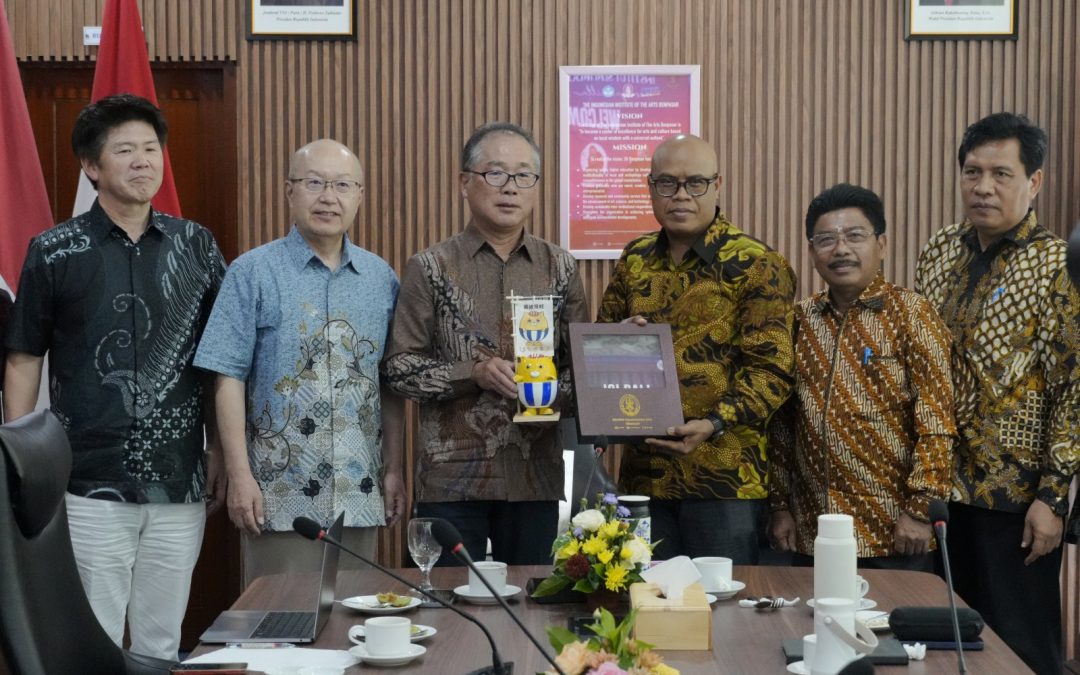
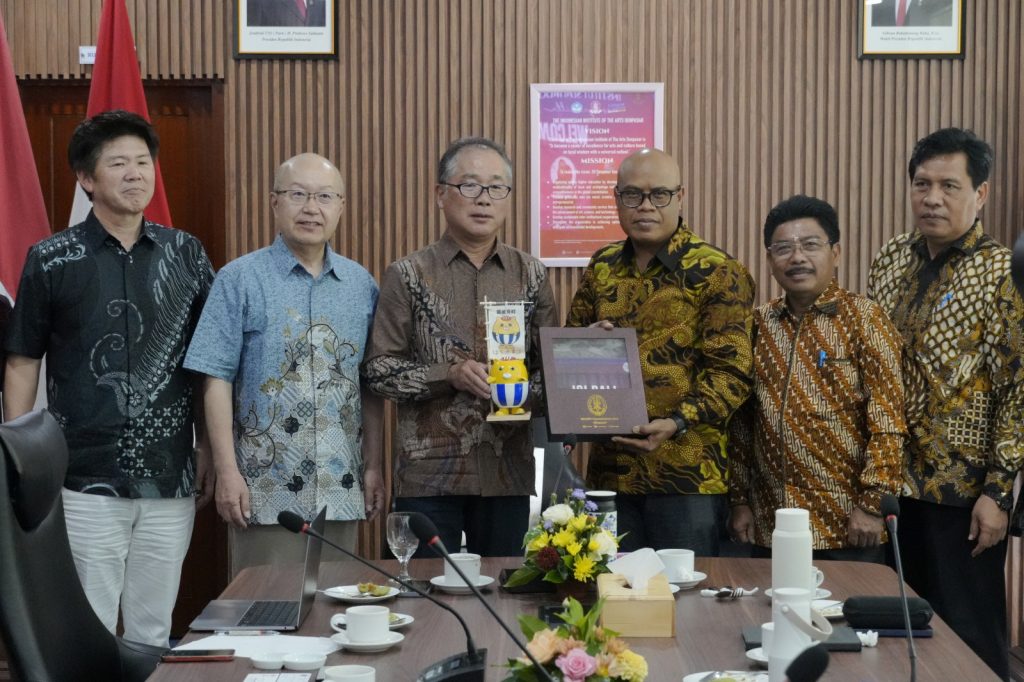
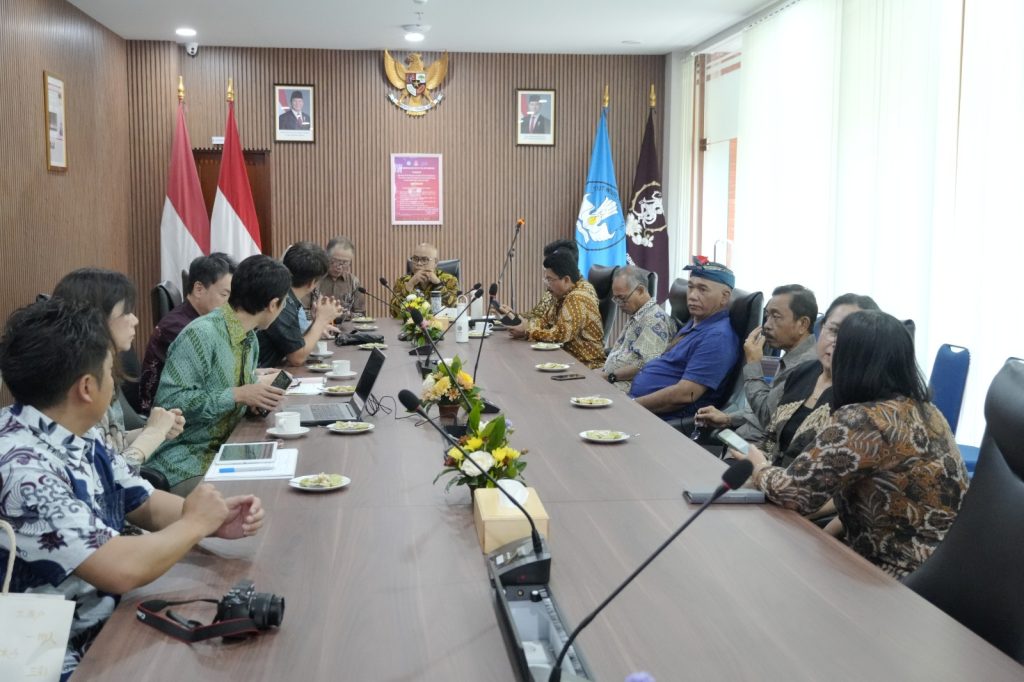
Photo: The Rector of the Indonesian Institute of the Arts (ISI) Bali, Prof. Dr. Wayan “Kun” Adnyana, together with the Mayor of Hasami, Japan, Mr. Yoshinori Maekawa, and the Chair of the Hasami Ceramic Industry Association, Japan, Mr. Kazuhiko Ota, on Wednesday (18/2) at the Sabha Citta Mahottama Hall, ISI Bali.
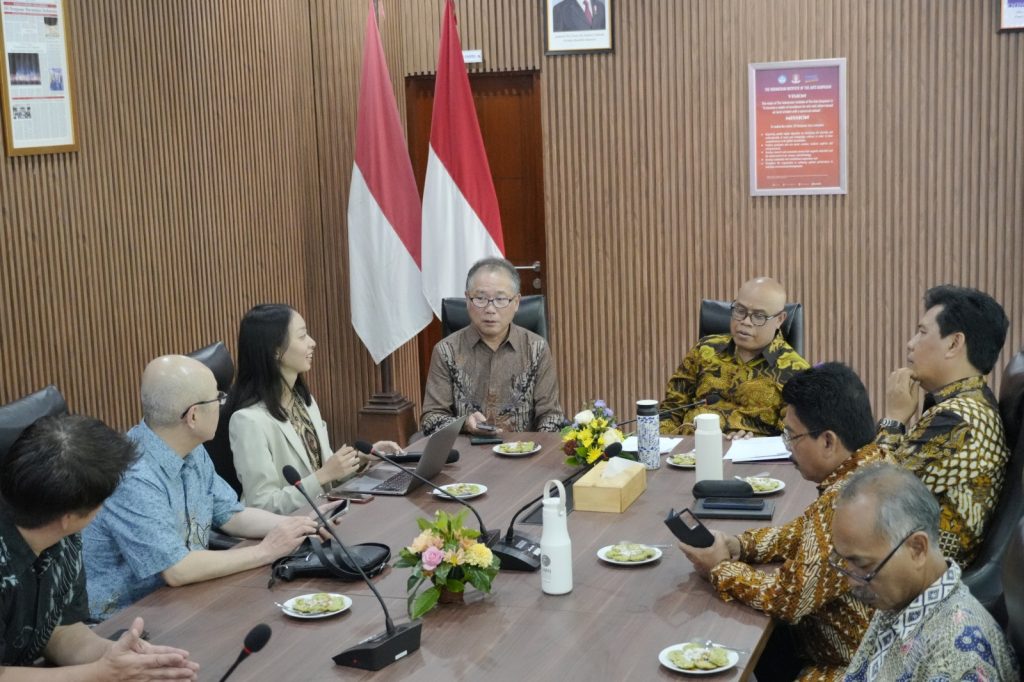
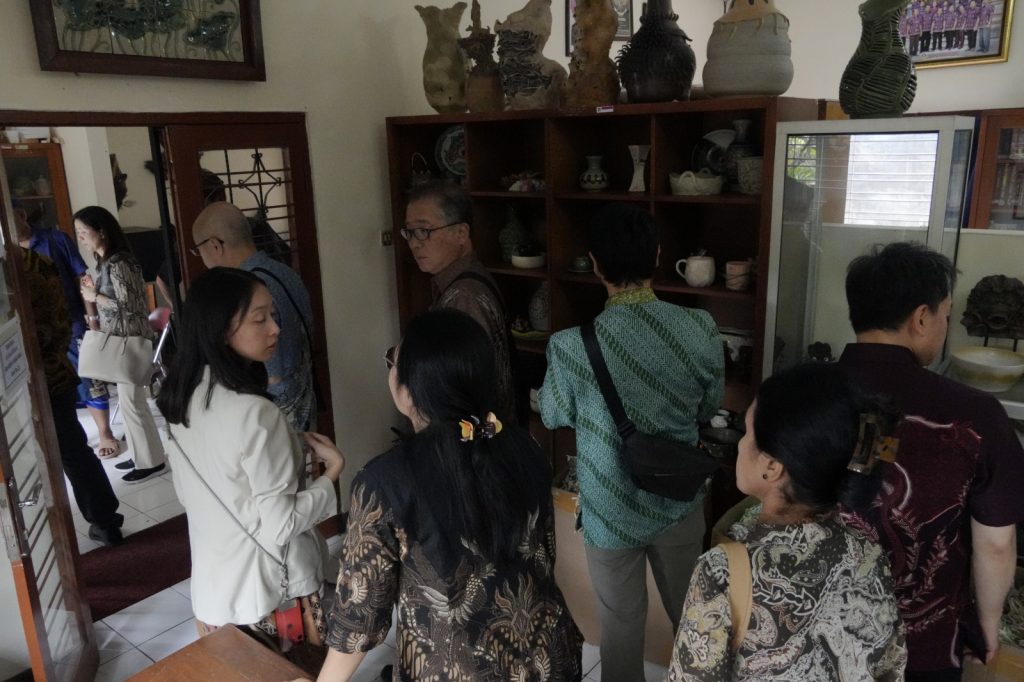
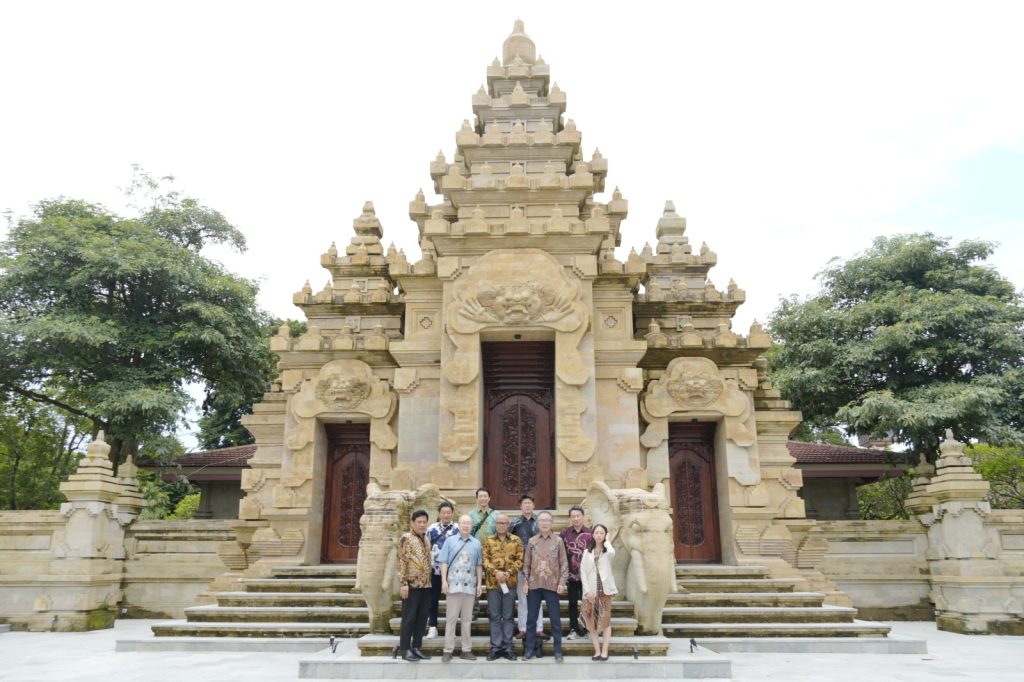
The Rector of the Indonesian Institute of the Arts (ISI) Bali, Prof. Dr. Wayan “Kun” Adnyana, received an official visit from the Mayor of Hasami, Japan, Mr. Yoshinori Maekawa, accompanied by the Chair of the Hasami Ceramic Industry Association, Mr. Kazuhiko Ota, on Wednesday (18/2) at the Sabha Citta Mahottama Hall, ISI Bali. The delegation was also welcomed by members of the university’s leadership board.
Hasami, widely recognized as one of Japan’s leading ceramic industry cities, explored opportunities for strategic collaboration with ISI Bali. The visit aimed to initiate a project serving as a bridge between “human resources” and “technology” in Japan and Indonesia. The proposed collaboration would provide outstanding ISI Bali students with opportunities to study Japan’s traditional ceramic industry, while simultaneously strengthening higher education curricula and supporting students’ professional development.
Photo: The visit of the Mayor of Hasami, Japan, Mr. Yoshinori Maekawa, accompanied by the Chair of the Hasami Ceramic Industry Association, Mr. Kazuhiko Ota, on Wednesday (18/2) at the Sabha Citta Mahottama Hall, ISI Bali.
The Hasami delegation expressed its interest in offering career opportunities for talented students in the field of ceramics to pursue professional careers in Hasami, Japan. This initiative is expected to provide students with valuable international practical experience, while broadening their understanding of both traditional and contemporary ceramic industries in Japan.
The Rector of ISI Bali warmly welcomed the initiative, noting that the Craft Study Program at ISI Bali demonstrates a high level of academic and practical excellence. Many students are actively engaged in producing both artistic ceramics and functional ceramic products. Therefore, this prospective collaboration is considered highly strategic in enhancing students’ competencies and preparing them to enter the international workforce. (ISI Bali/Public Relations)
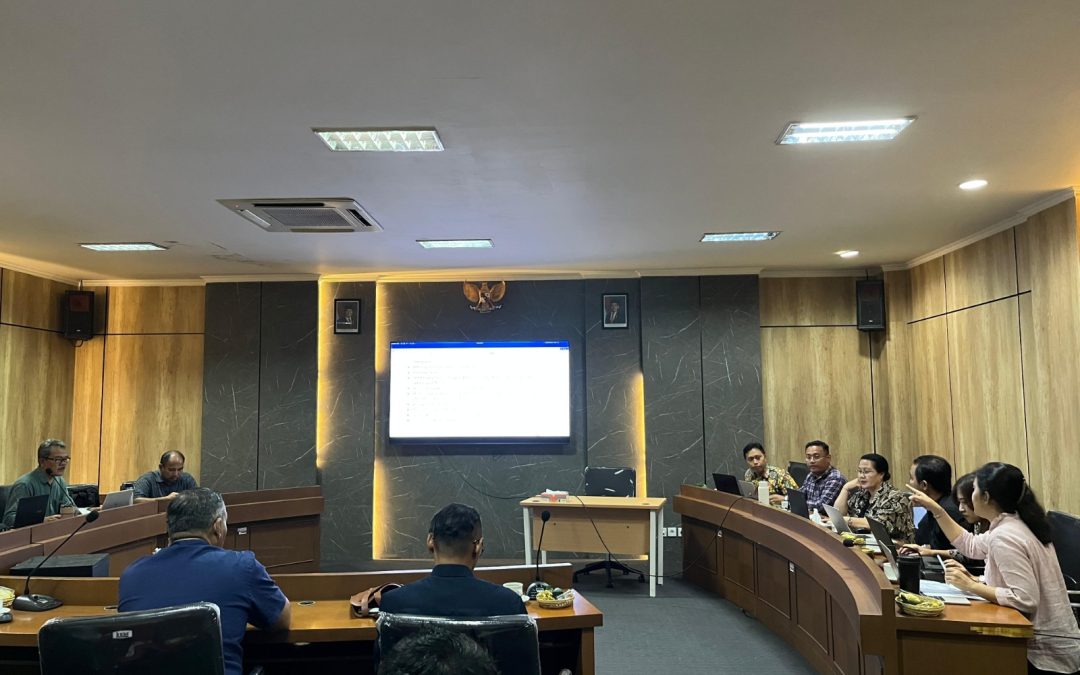
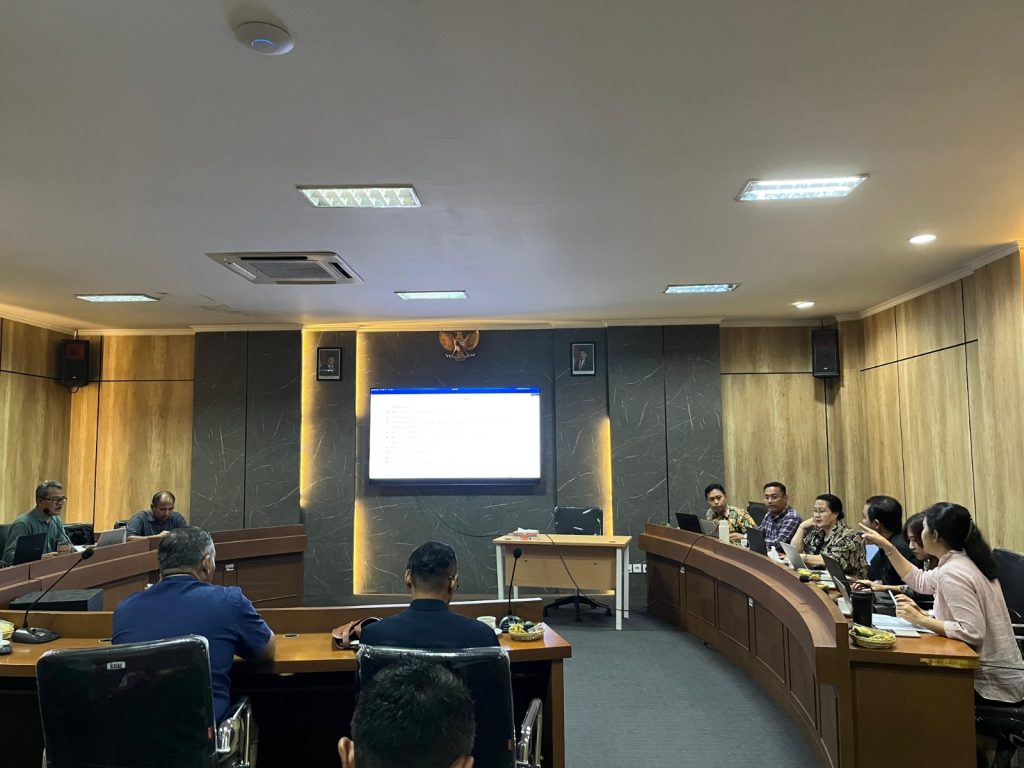
Photo: Coordination Meeting for the Preparation of the BAN-PT On-Site Accreditation Assessment for the Master’s Program in Arts Management, held at the Postgraduate Building Conference Room, ISI Bali, Wednesday (11/2).
The Master’s Program in Arts Management at Institut Seni Indonesia Bali (ISI Bali) is currently preparing for the On-Site Accreditation Assessment conducted by the National Accreditation Board for Higher Education (BAN-PT), scheduled to take place on 19–21 February 2026. This assessment marks the first accreditation process for the Arts Management Study Program since its official establishment in 2024.
As part of the strategic measures toward the upcoming assessment, the Postgraduate Program of ISI Bali convened a coordination meeting on Wednesday (12/2) at the Conference Room of the Postgraduate Building, ISI Bali.
The meeting was chaired directly by the Director of the Postgraduate Program, Nyoman Dewi Pebryani, Ph.D., and attended by members of the postgraduate leadership team, officials from the Institute for Quality Assurance and Learning Development (LPMPP), the accreditation document preparation team, lecturers, and administrative staff directly involved in the accreditation process.
In her remarks, Nyoman Dewi Pebryani, Ph.D., stated that the meeting was organized to establish a shared understanding, assess the level of preparedness, and ensure that all supporting components of the accreditation process operate in a coordinated and systematic manner. She expressed her expectation that all members of the academic community involved would actively contribute in accordance with their respective roles and responsibilities, thereby ensuring that the on-site assessment proceeds smoothly and optimally.
“Through this meeting, we aim to ensure that all documents, supporting data, and evidence of performance owned by the study program are thoroughly prepared and accurately presented. The on-site assessment must be approached with comprehensive preparation, solid teamwork, and a shared commitment to quality,” she emphasized.
The meeting also addressed the allocation of responsibilities, the finalization of accreditation documents, and the implementation of a mock on-site assessment scheduled for (18/2) as part of strengthening readiness prior to the arrival of the BAN-PT assessors. (ISIBALI/Public Relations)
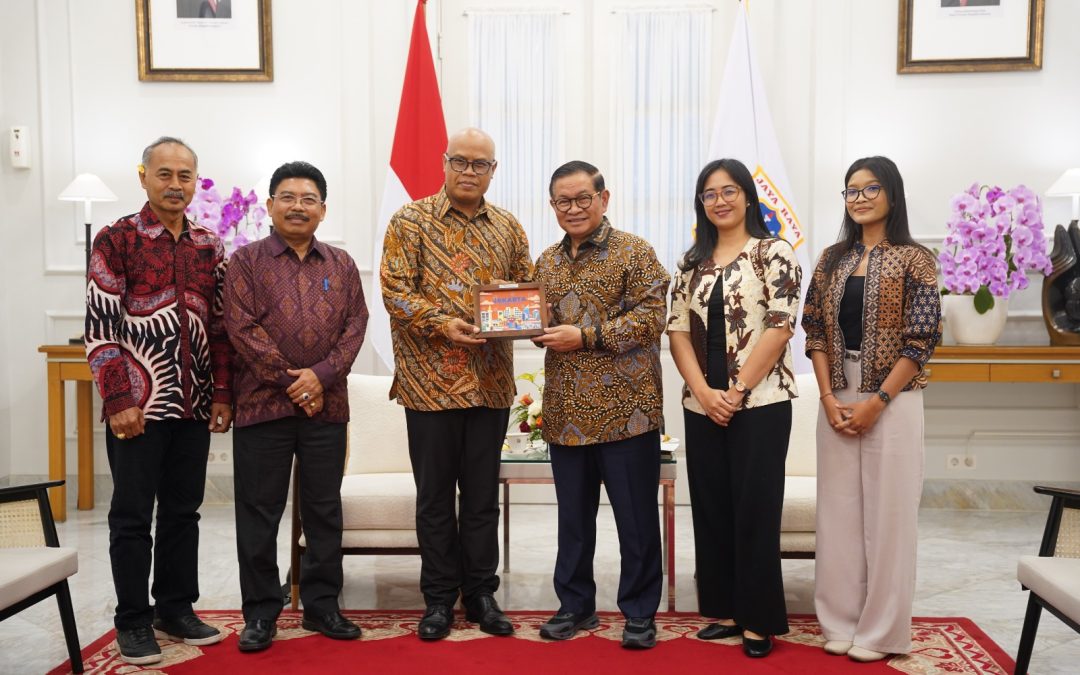
Photo: Audience between the Rector of the Indonesian Institute of the Arts Bali (ISI Bali), Prof. Dr. Wayan “Kun” Adnyana, and the Governor of DKI Jakarta, Dr. Ir. Pramono Anung Wibowo, M.M., at the Governor’s Reception Room, Jakarta City Hall, Thursday (5/2).
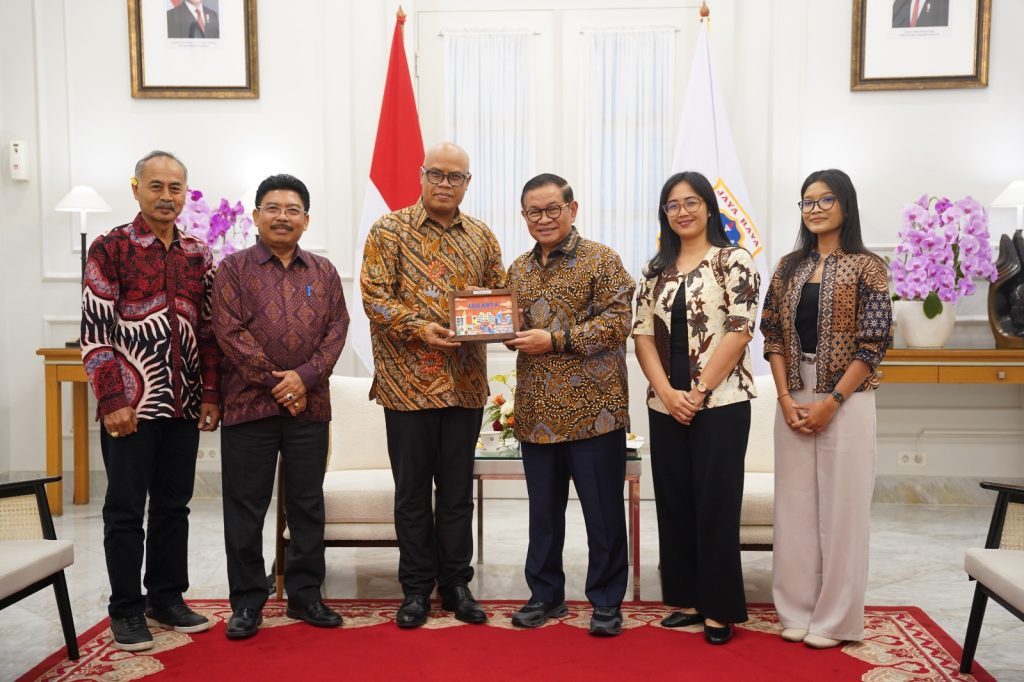
The Indonesian Institute of the Arts Bali (ISI Bali) has initiated a strategic collaboration with the Provincial Government of the Special Capital Region (DKI) of Jakarta in the fields of arts and culture. The exploration of this cooperation was discussed during an audience between the Rector of ISI Bali, Prof. Dr. Wayan “Kun” Adnyana, and the Governor of DKI Jakarta, Dr. Ir. Pramono Anung Wibowo, M.M., held at the Governor’s Reception Room, Jakarta City Hall, on Thursday (5/2).
The meeting was also attended by the Head of the DKI Jakarta Provincial Office of Culture, Mochamad Miftahulloh Tamary, S.STP., M.T., M.Sc., and the Head of the Regional Cooperation Bureau of the DKI Jakarta Provincial Secretariat, Marulina Dewi, S.STP., MPA. Representing ISI Bali were the Vice Rector for Student Affairs and Cooperation, Prof. Dr. Komang Sudirga; the Chair of the Senate, Prof. Dr. Ketut Muka; the Protocol Officer, Made Irma Novita Sari, S.Sn.; and ISI Bali’s Public Relations Officer, Rara Tian Anyar Sari, S.S.
During the meeting, both parties discussed various potential forms of collaboration between the DKI Jakarta Provincial Government and art higher education institutions to support the strengthening of the cultural ecosystem. This cooperation is expected to encourage artistic development, cultural preservation, and increased public participation through sustainable collaborative programs.
Photo: Audience between ISI Bali and the DKI Jakarta Provincial Government at the Governor’s Reception Room, Jakarta City Hall, Thursday (5/2).
On the occasion, the Rector of ISI Bali, Prof. Dr. Wayan “Kun” Adnyana, presented one of ISI Bali’s flagship programs, Bali Nata Bhuwana, as a national platform for the dissemination of arts and culture that has been implemented since 2022. The program has been held in various regions, including Kediri (East Java), Labuan Bajo (East Nusa Tenggara), Lampung, and Yogyakarta, and is planned to continue in Kendari in 2026.
According to the Rector, Bali Nata Bhuwana not only functions as a medium for disseminating artistic works and ideas, but also plays a role in strengthening the arts ecosystem by providing direct benefits to the community, particularly in terms of education, the creative economy, and the reinforcement of cultural identity.
The Governor of DKI Jakarta, Dr. Ir. Pramono Anung Wibowo, M.M., expressed his appreciation for the cooperation initiative proposed by ISI Bali. He emphasized that Jakarta, as a multicultural city, offers broad opportunities for the development of arts and culture from diverse backgrounds, making collaboration with art education institutions such as ISI Bali highly relevant and strategic.
This audience meeting marked an initial step toward building synergy between ISI Bali and the DKI Jakarta Provincial Government in creating an inclusive, dynamic, and impactful arts and cultural ecosystem for the wider community.