Art Innovation Born from Silence: ISI Bali Fosters Self-Confidence among the Disabled Community through the Pependetan Nirmala Dance in Buleleng, Bali
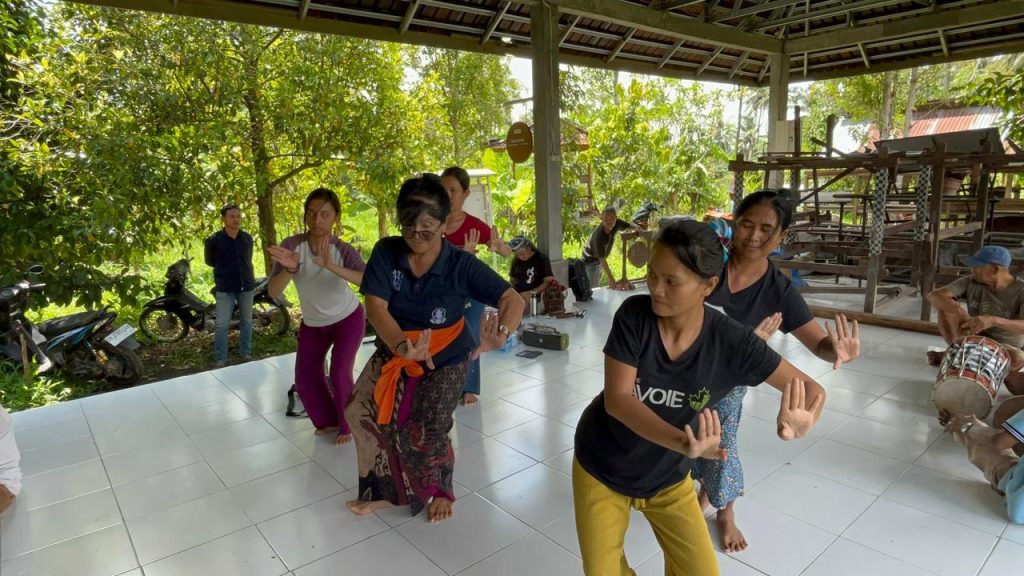
Photo: Joint practice session with the Kolok community in Bengkala Village, Buleleng, Bali, Thursday (30/10)
The proposal team from the Indonesian Institute of the Arts (ISI) Bali successfully implemented the Nusantara Art Innovation Program (PISN) with the theme “Art Innovation from Silence: Building Expression and Self-Confidence among the Disabled Community through the Pependetan Nirmala Dance.” The program was led by Ida Ayu Trisnawati, with team members I Gusti Putu Sudarta and Ida Bagus Ketut Trinawindu, and involved three ISI Bali students: Made Tarayana Amanda Putra, I Dewa Gede William Sedana Putra, and Komang Jana Arta Saputra.
The program was centered in Bengkala Village, Buleleng Regency, widely known as the “Deaf Village” (Desa Kolok) due to its community of people with hearing impairments. Although the village possesses strong artistic potential, the disabled community still faces various limitations in accessing spaces for artistic expression and personal development. This situation inspired the creation of an artistic work that is not only aesthetically appealing but also socially and spiritually meaningful.
Through the creation of the Pependetan Nirmala Dance, the ISI Bali team sought to establish an inclusive artistic space—one that provides individuals with disabilities the opportunity to express themselves, enhance their self-confidence, and at the same time preserve the cultural and spiritual values of Balinese society. This initiative also aligns with broader efforts to strengthen human resource development in the fields of art, education, gender equality, and the empowerment of persons with disabilities.
The program was carried out in several stages, beginning with the PISN socialization session on 17 October 2025, followed by the Pependetan Nirmala dance training on 30 October 2025. The training took place in collaboration with the Kolok Santhi Community at Banjar Dinas Kajanan, Bengkala Village, Kubutambahan District, Buleleng Regency. The activities were conducted in an atmosphere of enthusiasm and inclusivity, where participants not only learned basic movements and choreography but also explored self-expression, spiritual meanings of movement, and collaborative creation.
In addition to the training, the program included the design of adaptive costumes and properties, intensive mentoring, and documentation of both process and outcomes. Ultimately, the program aims to produce a model of inclusive performing arts that can be adopted by other communities, while reinforcing the interconnection between art, culture, and social empowerment.
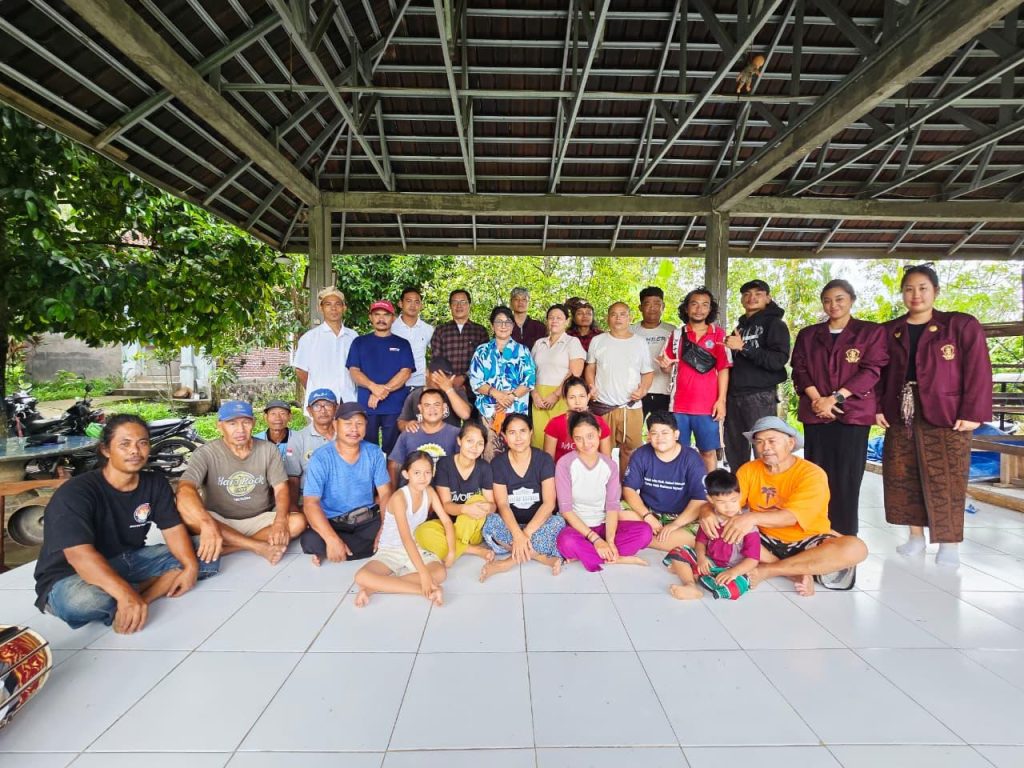
Photo: With the Kolok community in Bengkala Village, Buleleng, Bali.
The outcomes of this program have been remarkably positive. Members of the Kolok Santhi Community demonstrated significant improvement in their artistic skills, self-confidence, and enthusiasm in presenting their creations. The culmination of these efforts was the successful staging of an inclusive performance of the Pependetan Nirmala dance, which received widespread appreciation from both the people of Bengkala Village and art enthusiasts.
In addition to the performance, the program also produced a dance learning module, an instructional video, and popular scientific documentation as references for the future development of inclusive art practices. Thus, the Pependetan Nirmala dance stands not only as a new artistic creation but also as a symbol of togetherness, courage, and beauty born from silence.
This program serves as a testament that art can be a bridge for everyone to express themselves—beyond physical abilities or social conditions. Through the collaboration between academics, artists, and local communities, ISI Bali has successfully demonstrated that innovation within traditional arts can generate tangible and sustainable social transformation.
