PERFORMING ARTS EDUCATION
Study Program
Description
Graduates of the Performing Arts Education Study Program possess comprehensive competencies in the fields of drama, dance, and music education. They are capable of critically examining various aspects of arts education using appropriate research methodologies, as well as ethically, aesthetically, and academically exploring, presenting, and communicating performing arts works.
Furthermore, graduates master and effectively utilize a variety of techniques, styles, repertoires, and teaching materials in drama, dance, and music education. They also have a sound understanding of documentation, presentation, and dissemination techniques, enabling them to professionally archive, showcase, and distribute the outcomes of arts education.
In practice, graduates are skilled in creating diverse educational art works that are both creative and innovative, integrating aesthetic, pedagogical, and sociocultural values. They comprehend various scientific paradigms, theories of arts education, and aesthetics, and can interpret these concepts both textually and contextually within the context of performing arts learning.
Moreover, graduates have the ability to describe, analyze, interpret, and evaluate phenomena related to performing arts education that emerge within society. Their research and reflections are manifested in scholarly works that illustrate the synergy between theory, practice, and the cultural values embodied in drama, dance, and music arts.
Upon completion of the program, graduates of the Performing Arts Education Study Program are awarded the academic degree of Bachelor of Education (S.Pd.)
VISION
To become a Centre of Excellence in Performing Arts Education based on Local Wisdom Values and a Universal Perspective.
MISSION
-
To provide quality higher education in the field of performing arts education;
-
To enhance research and community service for the education and advancement of arts, science, and technology in the field of performing arts education;
-
To increase scholarly publications related to performing arts education;
-
To strengthen the academic management system.
Organizational Structure
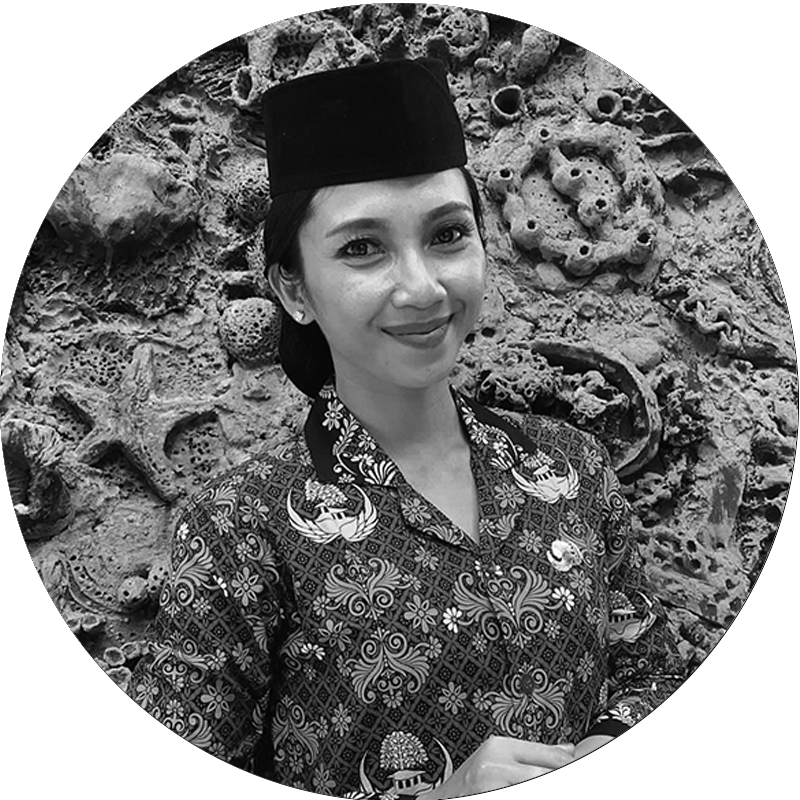
STUDY PROGRAM COORDINATOR
Ni Putu Hartini S.Sn.,M.Sn
LABORATORY TECHNICIAN
I Nyoman Alit Bhuana, S.Sos
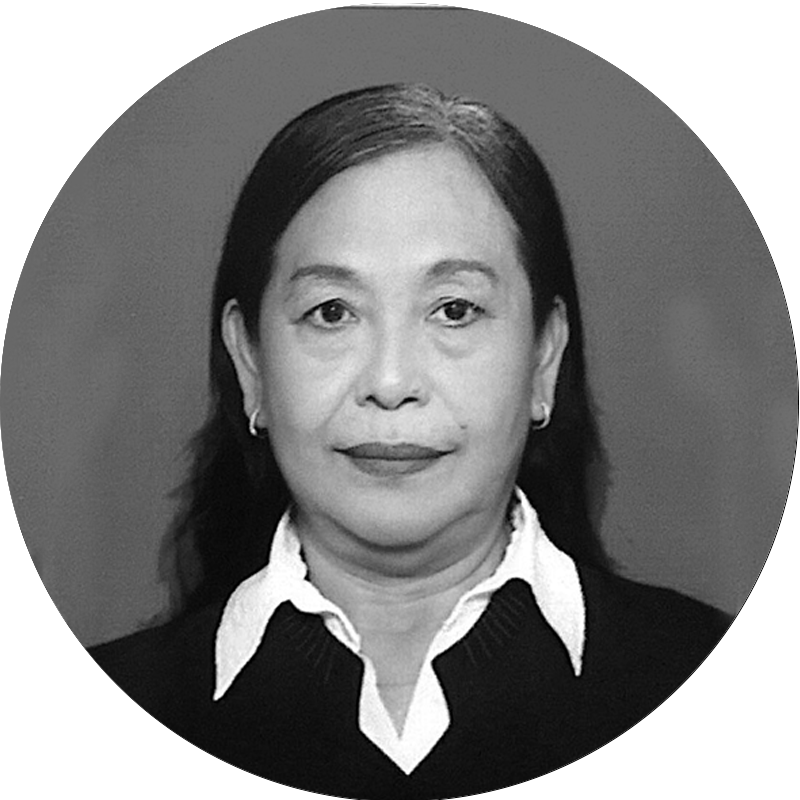
STUDY PROGRAM STAFF
Ni Putu Yudiasih, S.Sn
LECTURER
Course Distribution
Semester I
| No. | Code | Course Name | Credits | Semester |
|---|---|---|---|---|
| 1 | PSP001 | Introduction to Education | 2 | I |
| 2 | PSP002 | Student Development | 2 | I |
| 3 | PSP003 | Philosophy of Education | 2 | I |
| 4 | PSP004 | Nusantara Drama | 2 | I |
| 5 | PSP005 | Basic Knowledge and Techniques of Balinese Dance | 2 | I |
| 6 | PSP006 | Basic Knowledge and Skills of Karawitan | 2 | I |
| 7 | PSP008 | Visual Arts Knowledge | 2 | I |
| 8 | PSP009 | Body Conditioning for Performing Arts Education | 2 | I |
| 9 | PSP049 | Religious Education | 2 | I |
| 10 | PSP007 | Education Song of Sekar Alit | 2 | I |
Semester II
| No. | Code | Course Name | Credits | Semester |
|---|---|---|---|---|
| 1 | PSP010 | Educational Psychology | 2 | II |
| 2 | PSP011 | Performing Arts Aesthetics | 2 | II |
| 3 | PSP012 | Cultural Studies | 2 | II |
| 4 | PSP013 | Western Music Theory | 2 | II |
| 5 | PSP016 | Basic Choreography for Performing Arts Education | 3 | II |
| 6 | PSP017 | Dance and Karawitan Notation | 2 | II |
| 7 | PSP050 | Civic Education and Anti-Corruption | 2 | II |
| 8 | PSP062 | Knowledge and Practice of Balinese Traditional Dance | 3 | II |
| 9 | PSP063 | Traditional Karawitan Practice | 2 | II |
Semester III
| No. | Code | Course Name | Credits | Semester |
|---|---|---|---|---|
| 1 | PSP018 | Learning and Instruction | 2 | III |
| 2 | PSP019 | Curriculum Analysis | 2 | III |
| 3 | PSP020 | Educational Management | 2 | III |
| 4 | PSP021 | Research Methodology | 2 | III |
| 5 | PSP064 | Philosophy of Performing Arts Education | 2 | III |
| 6 | PSP023 | Dramaturgy | 3 | III |
| 7 | PSP024 | Ensemble and Choir | 2 | III |
| 8 | PSP025 | Theater Karawitan | 3 | III |
| 9 | PSP026 | Learning Technology | 2 | III |
| 10 | PSP051 | Pancasila and National Insight Education | 2 | III |
Semester IV
| No. | Code | Course Name | Credits | Semester |
|---|---|---|---|---|
| 1 | PSP037 | Micro Teaching | 3 | IV |
| 2 | PSP027 | Educational Profession | 2 | IV |
| 3 | PSP028 | Arts Learning Strategies | 2 | IV |
| 4 | PSP029 | Learning Evaluation | 2 | IV |
| 5 | PSP032 | Nusantara Music | 3 | IV |
| 6 | PSP033 | Karawitan Composition | 3 | IV |
| 7 | PSP052 | Indonesian Language | 2 | IV |
| 8 | PSP053 | English Language | 2 | IV |
| 9 | PSP065 | Nusantara Dance Practice | 3 | IV |
Semester V
| No. | Code | Course Name | Credits | Semester |
|---|---|---|---|---|
| 1 | PSP034 | Nusantara Mpu Arts Module | 2 | V |
| 2 | PSP035 | Nusantara Pluralism | 3 | V |
| 3 | PSP038 | Character-Building Arts Educator | 3 | V |
| 4 | PSP039 | Modern Drama Repertoire | 3 | V |
| 5 | PSP031 | Western Music | 3 | V |
| 6 | PSP066 | Kecak Arts Education | 3 | V |
| 7 | PSP067 | Performing Arts Management | 3 | V |
Semester VI
| No. | Code | Course Name | Credits | Semester |
|---|---|---|---|---|
| 1 | PSP055 | Digital Promotion and Marketing | 3 | VI |
| 2 | PSP056 | Workshop | 3 | VI |
| 3 | PSP057 | Seminar | 3 | VI |
| 4 | PSP047 | Teaching Performing Arts Education | 6 | VI |
| 5 | PSP041 | Performing Arts Education Literacy | 2 | VI |
| 6 | PSP048 | Community Service in Performing Arts Education | 6 | VI |
| 7 | PSP042 | Performing Arts Education Production | 6 | VI |
| 8 | PSP068 | Research in Performing Arts Education | 6 | VI |
Semester VII
| No. | Code | Course Name | Credits | Semester |
|---|---|---|---|---|
| 1 | PSP043 | Digital Literacy in Performing Arts Education | 2 | VII |
| 2 | PSP058 | Basic Research | 3 | VII |
| 3 | PSP059 | Governance of Ecosystems | 3 | VII |
| 4 | PSP061 | Dissemination | 6 | VII |
| 5 | PSP060 | Final Project / Thesis | 6 | VII |
Graduate Profile
Performing Arts Educator/Teacher
Graduates possess expertise in designing, implementing, and evaluating performing arts education (dance, music, drama) across various educational levels, from primary to secondary education. They not only teach artistic techniques but also instill cultural values, ethics, and art appreciation in their students.
Graduates are capable of conducting scientific research focused on issues within performing arts education. They can identify problems, collect and analyze data, and prepare research reports that can serve as the basis for formulating educational policies or curriculum development.
Educational Choreographer/Director
Performing Arts Curriculum Developer
Graduates are capable of conducting scientific research focused on issues in performing arts education. They can identify problems, collect and analyze data, and prepare research reports that serve as the foundation for formulating educational policies or developing curricula.
Art Studio Manager/Administrator
Cultural Extension Officer / Cultural Observer
Graduates serve as a bridge between performing arts and the community. They actively observe developments in the arts, advocate for the importance of arts education, and organize outreach activities to raise public awareness of the cultural values embedded in performing arts.
Arts Community Facilitator
Graduates have the ability to facilitate and empower communities through performing arts. They collaborate with community groups to develop local artistic potential, conduct workshops, and organize participatory and inclusive festivals or art events.
Arts and Culture Journalist/Writer
Graduates possess expertise in writing and reporting news, reviews, or articles related to performing arts and educational issues.
Arts Entrepreneur
Graduates possess an entrepreneurial spirit to create and manage businesses in the performing arts sector. They are capable of establishing art studios, artist management agencies, or production studios. Graduates can integrate artistic creativity with business strategies to generate economic value.
Arts Education Consultant
Graduates possess expertise in providing professional advice and solutions to schools, institutions, or government bodies regarding the design, implementation, and evaluation of arts education programs. They contribute to enhancing the quality of arts education by offering recommendations grounded in research and best practices.
LECTURER